News / National
Procurement inefficiencies driving Zimbabwe fuel prices
28 Apr 2026 at 07:08hrs |
0 Views
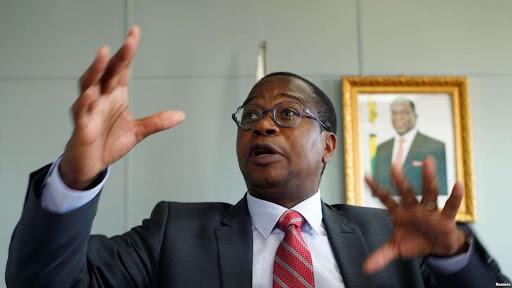
Finance Minister Mthuli Ncube has revealed that inefficiencies in fuel procurement are significantly inflating Zimbabwe's pump prices, adding up to 40 US cents per litre before taxes are even applied.
Speaking during a question-and-answer session at the Zimbabwe International Trade Fair (ZITF), Ncube told delegates that diesel in Zimbabwe carries a cumulative tax burden of about 54 US cents per litre.
He attributed the country's high fuel prices—ranked among the highest in the region—to three key factors: Zimbabwe's landlocked geography, high taxes, and elevated procurement costs.
"It amounts to about 54 cents a litre for diesel, that's the extent," Ncube said, referring to combined charges including excise duty, the road levy, carbon tax and the strategic reserve levy. "I don't think we can do much about it. It's not so easy."
More strikingly, the minister acknowledged that Zimbabwe's base fuel procurement price is structurally higher than regional benchmarks by between 30 and 40 US cents per litre.
"Our procurement price in the country is about 30 to 40 cents higher a litre," he said. "We have to lower the cost of procurement. The price is 30 to 40 cents higher before we even get to taxes."
He noted that even after the government temporarily removed diesel taxes on April 3, pump prices remained elevated due to the inflated Free on Board (FOB) cost.
While focusing on diesel, Ncube confirmed that taxes and levies on petrol remain unchanged. Data from the Zimbabwe Energy Regulatory Authority and the Consumer Council of Zimbabwe indicate that petrol carries a significantly higher tax burden of around 86 US cents per litre, largely due to a higher excise duty.
On currency use, Ncube welcomed reports that some fuel retailers are accepting the Zimbabwe Gold (ZiG), describing the development as a positive, market-driven shift.
"It's wonderful to see the market making its own decisions. Consumers and retailers will decide whether Zig will be accepted," he said, adding that authorities would not impose currency choices at this stage.
Ncube stopped short of committing to an increase in the ethanol blending ratio from E5 to E20, a move that could potentially reduce fuel prices. He said such a shift would require a technical assessment to ensure compatibility with the country's vehicle fleet.
The remarks underscore mounting pressure on authorities to address structural inefficiencies in fuel procurement, as high prices continue to weigh on businesses and consumers alike.
Speaking during a question-and-answer session at the Zimbabwe International Trade Fair (ZITF), Ncube told delegates that diesel in Zimbabwe carries a cumulative tax burden of about 54 US cents per litre.
He attributed the country's high fuel prices—ranked among the highest in the region—to three key factors: Zimbabwe's landlocked geography, high taxes, and elevated procurement costs.
"It amounts to about 54 cents a litre for diesel, that's the extent," Ncube said, referring to combined charges including excise duty, the road levy, carbon tax and the strategic reserve levy. "I don't think we can do much about it. It's not so easy."
More strikingly, the minister acknowledged that Zimbabwe's base fuel procurement price is structurally higher than regional benchmarks by between 30 and 40 US cents per litre.
"Our procurement price in the country is about 30 to 40 cents higher a litre," he said. "We have to lower the cost of procurement. The price is 30 to 40 cents higher before we even get to taxes."
He noted that even after the government temporarily removed diesel taxes on April 3, pump prices remained elevated due to the inflated Free on Board (FOB) cost.
While focusing on diesel, Ncube confirmed that taxes and levies on petrol remain unchanged. Data from the Zimbabwe Energy Regulatory Authority and the Consumer Council of Zimbabwe indicate that petrol carries a significantly higher tax burden of around 86 US cents per litre, largely due to a higher excise duty.
On currency use, Ncube welcomed reports that some fuel retailers are accepting the Zimbabwe Gold (ZiG), describing the development as a positive, market-driven shift.
"It's wonderful to see the market making its own decisions. Consumers and retailers will decide whether Zig will be accepted," he said, adding that authorities would not impose currency choices at this stage.
Ncube stopped short of committing to an increase in the ethanol blending ratio from E5 to E20, a move that could potentially reduce fuel prices. He said such a shift would require a technical assessment to ensure compatibility with the country's vehicle fleet.
The remarks underscore mounting pressure on authorities to address structural inefficiencies in fuel procurement, as high prices continue to weigh on businesses and consumers alike.
Source - Mining Zimbabwe
Join the discussion
Loading comments…


