News / National
Half of Bulawayo council fleet grounded
28 May 2026 at 17:58hrs |
0 Views
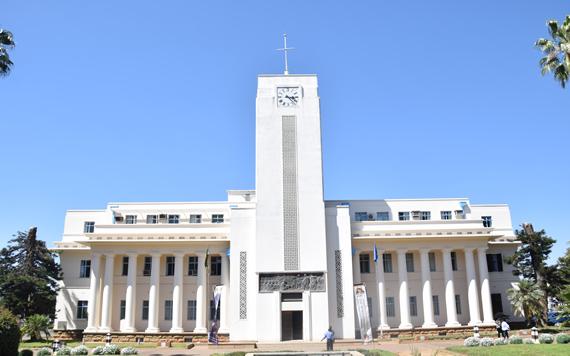
NEARLY half of the Bulawayo City Council (BCC) vehicle fleet has been grounded due to breakdowns, ageing equipment and persistent maintenance backlogs, exposing a deepening operational crisis that is affecting service delivery across the city.
Critical departments responsible for refuse collection, road maintenance, water distribution and sanitation are reportedly struggling to function effectively under severe transport constraints.
The local authority is now seeking to procure more than US$2 million worth of vehicles and machinery to stabilise operations and restore service delivery capacity.
A report presented before the council's finance and development committee shows that out of 327 vehicles and plant equipment, only 194 are operational, while 133 have been taken off the road.
"The remaining 133 units, constituting 40.7%, are non-operational and are awaiting spare parts, repairs, or are undergoing various stages of maintenance," reads the report compiled by acting director of works Methusi Dibidi.
The report further notes that the ageing fleet has become a major barrier to efficient service delivery, particularly in road maintenance and water and sanitation services.
"A significant portion of the council's fleet has exceeded its economic lifespan and is now obsolete," the report states.
Council officials warned that the situation is now undermining the city's ability to meet minimum service delivery standards for 2026.
"In order to meet the minimum service delivery standards set for 2026, the department needs to strengthen and expand its existing road maintenance fleet," the report reads.
As part of efforts to address the crisis, council is seeking authority to utilise road and water levy funds to purchase tipper trucks, seven-tonne trucks, one-tonne service vehicles, double cabs and Toyota Land Cruisers for its works, water and sanitation departments.
According to the report, the proposed replacement programme is expected to reduce downtime caused by frequent mechanical breakdowns, minimise spending on equipment hire and repairs, and improve operational reliability across departments.
The report also indicates that tender processes have already been completed and contracts awarded, with implementation now awaiting funding approval.
Meanwhile, residents continue to endure deteriorating infrastructure, including pothole-ridden roads, sewer bursts and delayed service response times, as Bulawayo's ageing fleet and financial constraints continue to weigh heavily on municipal operations.
Critical departments responsible for refuse collection, road maintenance, water distribution and sanitation are reportedly struggling to function effectively under severe transport constraints.
The local authority is now seeking to procure more than US$2 million worth of vehicles and machinery to stabilise operations and restore service delivery capacity.
A report presented before the council's finance and development committee shows that out of 327 vehicles and plant equipment, only 194 are operational, while 133 have been taken off the road.
"The remaining 133 units, constituting 40.7%, are non-operational and are awaiting spare parts, repairs, or are undergoing various stages of maintenance," reads the report compiled by acting director of works Methusi Dibidi.
The report further notes that the ageing fleet has become a major barrier to efficient service delivery, particularly in road maintenance and water and sanitation services.
"A significant portion of the council's fleet has exceeded its economic lifespan and is now obsolete," the report states.
Council officials warned that the situation is now undermining the city's ability to meet minimum service delivery standards for 2026.
"In order to meet the minimum service delivery standards set for 2026, the department needs to strengthen and expand its existing road maintenance fleet," the report reads.
As part of efforts to address the crisis, council is seeking authority to utilise road and water levy funds to purchase tipper trucks, seven-tonne trucks, one-tonne service vehicles, double cabs and Toyota Land Cruisers for its works, water and sanitation departments.
According to the report, the proposed replacement programme is expected to reduce downtime caused by frequent mechanical breakdowns, minimise spending on equipment hire and repairs, and improve operational reliability across departments.
The report also indicates that tender processes have already been completed and contracts awarded, with implementation now awaiting funding approval.
Meanwhile, residents continue to endure deteriorating infrastructure, including pothole-ridden roads, sewer bursts and delayed service response times, as Bulawayo's ageing fleet and financial constraints continue to weigh heavily on municipal operations.
Source - Southern Eye
Join the discussion
Loading comments…




