News / National
Referendum demand hits Mnangagwa's term plot
01 Jun 2026 at 19:12hrs |
0 Views
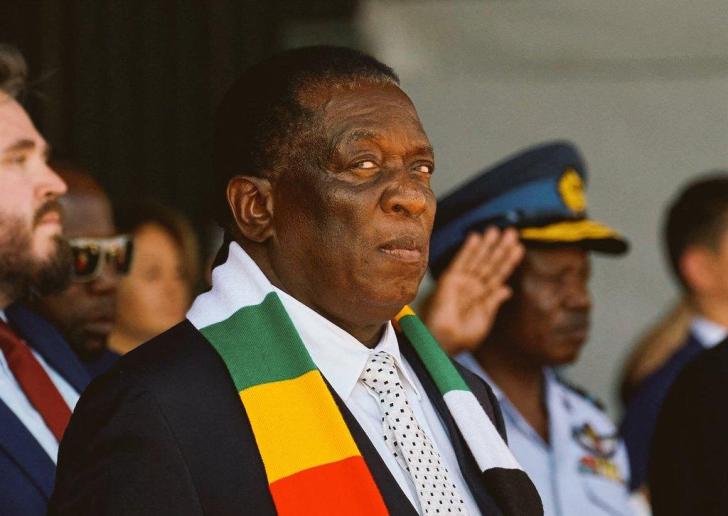
A controversial constitutional amendment bill that seeks to extend President Emmerson Mnangagwa's tenure and fundamentally alter Zimbabwe's electoral system has encountered a fresh legal obstacle after a human rights activist approached the courts demanding a national referendum before the proposed changes can take effect.
Human rights activist Youngerson Matete has filed an urgent application seeking to stop the promulgation of the Constitution of Zimbabwe Amendment (No. 3) Bill, 2026, arguing that several of its key provisions are constitutionally protected and cannot be amended without the direct approval of voters through a referendum.
Matete cited the Parliament of Zimbabwe, President Emmerson Mnangagwa, Justice, Legal and Parliamentary Affairs Minister Ziyambi Ziyambi, the Zimbabwe Electoral Commission (ZEC), and the Attorney-General as respondents in the matter.
The bill, which was gazetted in February this year, proposes sweeping changes to Zimbabwe's constitutional and democratic framework. Among its most contentious provisions are plans to extend presidential and parliamentary terms from five years to seven years and replace direct presidential elections with a system in which the Head of State is elected by Members of Parliament.
The proposed legislation also seeks to transfer voter registration responsibilities from ZEC to the Registrar-General's Office, merge the Zimbabwe Gender Commission with the Zimbabwe Human Rights Commission, and increase the number of appointed senators in the Upper House.
In his application for a declaratory order, Matete argues that clauses 4, 9 and 10 of the bill fall under Section 328 of the Constitution, which protects certain provisions from amendment unless approved through a national referendum.
He is seeking a declaration from the court that any attempt to enact or implement those provisions without a referendum would be unconstitutional, unlawful and invalid.
Matete is further requesting an interdict barring Parliament, the President and the Justice Minister from taking any further steps towards the enactment of the disputed clauses unless the electorate first approves them through a public vote.
In court papers, Matete said he had followed public discussions surrounding the bill with increasing concern, particularly statements by senior government officials suggesting that a referendum would not be necessary.
He specifically referenced comments attributed to Justice Minister Ziyambi Ziyambi and former Deputy Justice Minister Paul Mangwana, who have reportedly argued in public forums that the constitutional changes can be enacted without seeking direct voter approval.
Matete also drew the court's attention to submissions made before Parliament on May 12, 2026, by the Zimbabwe Catholic Bishops Conference. The church body reportedly raised concerns about attempts to alter constitutional term-limit provisions, arguing that such changes should not benefit sitting officeholders without the consent of the electorate.
In his founding affidavit, Matete maintained that his challenge is based on a direct and legitimate constitutional interest.
"My interest is neither abstract, academic, nor hypothetical," he stated. "It is a real, legally recognizable, and constitutionally protected interest arising from my status as a citizen of Zimbabwe, a registered voter, and a beneficiary of the constitutional order."
He further argued that the proposed amendments would directly affect citizens' constitutional and political rights.
"The proposed constitutional amendment process directly affects my constitutional rights, including my right to constitutional governance founded upon the supremacy of the Constitution and my political rights to participate in constitutionally mandated democratic processes," Matete said.
The activist warned that bypassing a referendum on entrenched constitutional provisions would undermine constitutional supremacy, the sovereignty of the people and the rule of law.
The application is currently before the courts, with its outcome expected to have significant implications for the future of the Constitution Amendment Bill and Zimbabwe's constitutional reform process.
Human rights activist Youngerson Matete has filed an urgent application seeking to stop the promulgation of the Constitution of Zimbabwe Amendment (No. 3) Bill, 2026, arguing that several of its key provisions are constitutionally protected and cannot be amended without the direct approval of voters through a referendum.
Matete cited the Parliament of Zimbabwe, President Emmerson Mnangagwa, Justice, Legal and Parliamentary Affairs Minister Ziyambi Ziyambi, the Zimbabwe Electoral Commission (ZEC), and the Attorney-General as respondents in the matter.
The bill, which was gazetted in February this year, proposes sweeping changes to Zimbabwe's constitutional and democratic framework. Among its most contentious provisions are plans to extend presidential and parliamentary terms from five years to seven years and replace direct presidential elections with a system in which the Head of State is elected by Members of Parliament.
The proposed legislation also seeks to transfer voter registration responsibilities from ZEC to the Registrar-General's Office, merge the Zimbabwe Gender Commission with the Zimbabwe Human Rights Commission, and increase the number of appointed senators in the Upper House.
In his application for a declaratory order, Matete argues that clauses 4, 9 and 10 of the bill fall under Section 328 of the Constitution, which protects certain provisions from amendment unless approved through a national referendum.
He is seeking a declaration from the court that any attempt to enact or implement those provisions without a referendum would be unconstitutional, unlawful and invalid.
Matete is further requesting an interdict barring Parliament, the President and the Justice Minister from taking any further steps towards the enactment of the disputed clauses unless the electorate first approves them through a public vote.
He specifically referenced comments attributed to Justice Minister Ziyambi Ziyambi and former Deputy Justice Minister Paul Mangwana, who have reportedly argued in public forums that the constitutional changes can be enacted without seeking direct voter approval.
Matete also drew the court's attention to submissions made before Parliament on May 12, 2026, by the Zimbabwe Catholic Bishops Conference. The church body reportedly raised concerns about attempts to alter constitutional term-limit provisions, arguing that such changes should not benefit sitting officeholders without the consent of the electorate.
In his founding affidavit, Matete maintained that his challenge is based on a direct and legitimate constitutional interest.
"My interest is neither abstract, academic, nor hypothetical," he stated. "It is a real, legally recognizable, and constitutionally protected interest arising from my status as a citizen of Zimbabwe, a registered voter, and a beneficiary of the constitutional order."
He further argued that the proposed amendments would directly affect citizens' constitutional and political rights.
"The proposed constitutional amendment process directly affects my constitutional rights, including my right to constitutional governance founded upon the supremacy of the Constitution and my political rights to participate in constitutionally mandated democratic processes," Matete said.
The activist warned that bypassing a referendum on entrenched constitutional provisions would undermine constitutional supremacy, the sovereignty of the people and the rule of law.
The application is currently before the courts, with its outcome expected to have significant implications for the future of the Constitution Amendment Bill and Zimbabwe's constitutional reform process.
Source - The Standard
Join the discussion
Loading comments…


