News / National
Returnee surge overwhelms Beitbridge
04 Jul 2026 at 09:13hrs |
0 Views
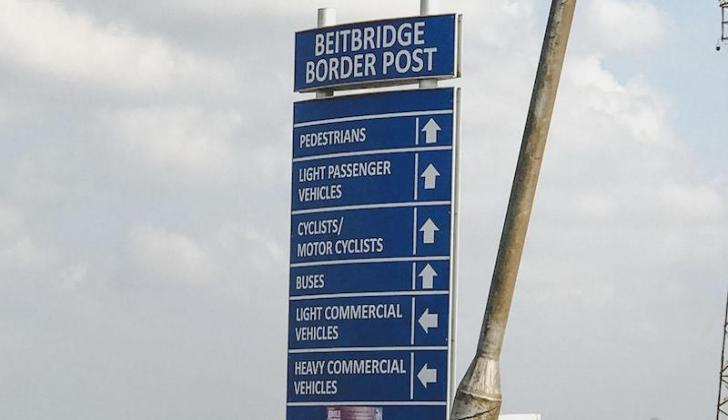
Thousands of migrants are streaming back into Zimbabwe through the Beitbridge Border Post following South Africa's intensified enforcement of immigration laws, with many returnees arriving exhausted, destitute and uncertain about their future.
Among them is 26-year-old Trevor Mlambo, who returned home with his two wives, children and relatives after spending seven years in South Africa.
The family paused at a service station in Beitbridge while their driver rested after the long journey from South Africa's North West province and Pretoria before continuing to Sakwinje in Chipinge.
Mlambo said he was forced to sell some of his belongings to raise money for the trip home.
"I had to sell some of my things to raise money to be able to pay for my family's trip home," he said.
"We are resting for a while before we proceed to Sakwinje area in Chipinge."
He said they fled South Africa with only a few possessions after spending days sleeping away from home for fear of attacks.
"We had to leave abruptly with the little we could take after days of sleeping away from where we lived," he said.
"The very people to whom we paid rentals turned against us and, for a week, we had to run away at night."
Mlambo, who survived by doing odd jobs such as construction and painting, said he had not intended to leave South Africa and initially dismissed the March and March movement's June 30 deadline.
"I was not employed, but was a handyman and moved from place to place doing odd jobs like building and painting," he said.
"But after seven years it was time to say goodbye or die."
Although he said he was not physically assaulted, Mlambo said the growing hostility convinced him it was no longer safe to remain in the country.
"I cannot lie that I was beaten, no, but their seriousness ahead of the date was telling and I complied," he said.
Mlambo's story mirrors those of thousands of Zimbabweans, Malawians, Mozambicans, Nigerians and other African nationals who had travelled to South Africa in search of better economic opportunities but are now returning home.
The exodus follows increased activity by March and March, a South African anti-immigration movement founded by Jacinta Ngobese-Zuma, which campaigns for the strict enforcement of immigration laws and the removal of undocumented foreign nationals.
While primarily targeting undocumented migrants, the campaign has also affected some documented foreign nationals, prompting many to leave voluntarily.
Beitbridge Regional Immigration Officer Joshua Chibundu said arrivals had risen sharply throughout June.
"Thousands are arriving daily since the beginning of June, but figures surged towards the deadline," he said.
Journalists have been barred from accessing the Department of Social Welfare Reception Centre, where assisted returnees are processed before boarding government-arranged buses to various destinations across Zimbabwe.
Despite the restrictions, buses continue arriving daily carrying migrants with few belongings, many clutching only plastic bags despite having spent years living and working in South Africa.
Beitbridge has also become a temporary refuge for thousands of Malawian nationals awaiting onward transport.
Many deportees who undergo official processing at the border face a five-year ban from re-entering South Africa after biometric registration.
Others have attempted to avoid the official crossing altogether, with some reportedly being robbed while using informal routes.
The growing influx has left thousands stranded around Beitbridge as they search for transport home.
Children are among those caught up in the humanitarian crisis, with scenes around the border resembling those witnessed during major displacement emergencies.
The situation has also placed enormous pressure on Beitbridge's already limited infrastructure.
A chronic shortage of water and inadequate sanitation facilities have contributed to widespread open defecation around bus termini, roadside waiting areas and popular hitchhiking points.
"Some of these people have nothing and we have been buying them bread. Most affected are those from Malawi. Their situation is pathetic," said a money changer operating near the border.
Matabeleland South Minister of State for Provincial Affairs and Devolution Albert Nguluvhe said authorities were assisting Zimbabwean returnees but acknowledged the difficulties facing stranded Malawian nationals.
"I wish it was possible for bus operators to ferry the Malawians to Nyamapanda and their country could take them from there," Nguluvhe said.
"Our citizens are being catered for and these ones are stuck."
As the flow of returnees continues, humanitarian concerns are mounting over accommodation, sanitation, food supplies and transport for thousands of migrants arriving at Zimbabwe's busiest border post.
Among them is 26-year-old Trevor Mlambo, who returned home with his two wives, children and relatives after spending seven years in South Africa.
The family paused at a service station in Beitbridge while their driver rested after the long journey from South Africa's North West province and Pretoria before continuing to Sakwinje in Chipinge.
Mlambo said he was forced to sell some of his belongings to raise money for the trip home.
"I had to sell some of my things to raise money to be able to pay for my family's trip home," he said.
"We are resting for a while before we proceed to Sakwinje area in Chipinge."
He said they fled South Africa with only a few possessions after spending days sleeping away from home for fear of attacks.
"We had to leave abruptly with the little we could take after days of sleeping away from where we lived," he said.
"The very people to whom we paid rentals turned against us and, for a week, we had to run away at night."
Mlambo, who survived by doing odd jobs such as construction and painting, said he had not intended to leave South Africa and initially dismissed the March and March movement's June 30 deadline.
"I was not employed, but was a handyman and moved from place to place doing odd jobs like building and painting," he said.
"But after seven years it was time to say goodbye or die."
Although he said he was not physically assaulted, Mlambo said the growing hostility convinced him it was no longer safe to remain in the country.
"I cannot lie that I was beaten, no, but their seriousness ahead of the date was telling and I complied," he said.
Mlambo's story mirrors those of thousands of Zimbabweans, Malawians, Mozambicans, Nigerians and other African nationals who had travelled to South Africa in search of better economic opportunities but are now returning home.
The exodus follows increased activity by March and March, a South African anti-immigration movement founded by Jacinta Ngobese-Zuma, which campaigns for the strict enforcement of immigration laws and the removal of undocumented foreign nationals.
While primarily targeting undocumented migrants, the campaign has also affected some documented foreign nationals, prompting many to leave voluntarily.
Beitbridge Regional Immigration Officer Joshua Chibundu said arrivals had risen sharply throughout June.
"Thousands are arriving daily since the beginning of June, but figures surged towards the deadline," he said.
Journalists have been barred from accessing the Department of Social Welfare Reception Centre, where assisted returnees are processed before boarding government-arranged buses to various destinations across Zimbabwe.
Despite the restrictions, buses continue arriving daily carrying migrants with few belongings, many clutching only plastic bags despite having spent years living and working in South Africa.
Beitbridge has also become a temporary refuge for thousands of Malawian nationals awaiting onward transport.
Many deportees who undergo official processing at the border face a five-year ban from re-entering South Africa after biometric registration.
Others have attempted to avoid the official crossing altogether, with some reportedly being robbed while using informal routes.
The growing influx has left thousands stranded around Beitbridge as they search for transport home.
Children are among those caught up in the humanitarian crisis, with scenes around the border resembling those witnessed during major displacement emergencies.
The situation has also placed enormous pressure on Beitbridge's already limited infrastructure.
A chronic shortage of water and inadequate sanitation facilities have contributed to widespread open defecation around bus termini, roadside waiting areas and popular hitchhiking points.
"Some of these people have nothing and we have been buying them bread. Most affected are those from Malawi. Their situation is pathetic," said a money changer operating near the border.
Matabeleland South Minister of State for Provincial Affairs and Devolution Albert Nguluvhe said authorities were assisting Zimbabwean returnees but acknowledged the difficulties facing stranded Malawian nationals.
"I wish it was possible for bus operators to ferry the Malawians to Nyamapanda and their country could take them from there," Nguluvhe said.
"Our citizens are being catered for and these ones are stuck."
As the flow of returnees continues, humanitarian concerns are mounting over accommodation, sanitation, food supplies and transport for thousands of migrants arriving at Zimbabwe's busiest border post.
Source - newsday
Join the discussion
Loading comments…





