News / National
Zimbabwe inches closer to sole use of ZiG for domestic transactions
19 Jul 2026 at 17:59hrs |
0 Views
Zimbabwe has met six of the eight conditions required to transition to the exclusive use of the Zimbabwe Gold (ZiG) currency for domestic transactions, with the remaining milestones focused on strengthening foreign currency reserves and increasing demand for the local unit, Reserve Bank of Zimbabwe (RBZ) Governor Dr John Mushayavanhu has said.
In an interview with The Sunday Mail, Dr Mushayavanhu said the move towards a mono-currency system would be gradual and guided by macroeconomic fundamentals rather than a fixed implementation date.
"The transition to the exclusive use of ZiG for settling all domestic transactions will be a gradual process anchored on macroeconomic stability. As such, the transition is not date-based but is dependent on the achievement of the conditions precedent," he said.
The RBZ identified eight conditions that it considers essential before Zimbabwe can abandon the multicurrency system for domestic transactions. These include sustained single-digit inflation, adequate foreign currency reserves equivalent to at least three to six months of import cover, exchange rate stability, an efficient foreign exchange management system, increased demand for the local currency, financial sector stability, an efficient National Payments System, and strong fiscal and monetary policy coordination without central bank financing of government deficits.
According to Dr Mushayavanhu, six of those conditions have already been achieved.
Zimbabwe has maintained single-digit inflation since January 2026, while the foreign exchange market has remained relatively stable. The central bank also says it has contained the parallel market premium below 20%, maintained financial sector stability, strengthened the National Payments System and continued its policy of not financing government budget deficits since April 2024.
"The country is on course to meet the conditions precedent," Dr Mushayavanhu said. "Important to note is that the country has already achieved most of the conditions and has made significant progress towards achieving the remaining ones."
Annual ZiG inflation averaged 4.4% during the first six months of 2026, with authorities expecting inflation to remain within single-digit levels over the medium term.
The Reserve Bank is also finalising an automated foreign currency trading system in partnership with the World Bank as part of efforts to improve the efficiency and transparency of the foreign exchange market.
Attention has now shifted to meeting the remaining two requirements—building adequate foreign currency reserves and increasing the use of ZiG across the economy.
Zimbabwe's foreign currency reserves stood at US$1.6 billion by the end of June, equivalent to approximately 1.6 months of import cover. International benchmarks generally recommend reserves sufficient to cover between three and six months of imports.
Gold has become a central pillar of the country's reserve strategy.
The RBZ says gold holdings have increased from 1.5 tonnes when ZiG was introduced in April 2024 to 4.5 tonnes last month and now account for about 40% of total reserves.
The central bank expects its gold reserves to exceed 11 tonnes by the time Zimbabwe is ready to adopt ZiG as the sole domestic currency.
"The accumulation of gold to levels of around 11 tonnes alongside other foreign currency reserves will put the country on firm footing to maintain macroeconomic stability," Dr Mushayavanhu said.
He said stronger reserves would enable the central bank to intervene strategically in the foreign exchange market to smooth excessive exchange rate volatility while boosting investor and market confidence.
Authorities are also working to deepen the use of ZiG by expanding payments for public sector goods and services in the local currency.
Recent nationwide awareness campaigns have, according to the RBZ, improved public confidence in ZiG, while more businesses are accepting payments in both ZiG and United States dollars.
"There has also been a shift in the way the local currency is perceived in the market, as most companies are no longer charging discriminatory prices at more depreciated exchange rates," Dr Mushayavanhu said.
He added that exchange rates used by supermarkets have increasingly converged with the official interbank rate, with remaining differences largely reflecting transaction costs rather than exchange rate uncertainty.
The Reserve Bank says demand for ZiG has also been supported by government policies requiring that 50% of quarterly tax obligations be settled in local currency, as well as payments to cotton farmers and suppliers to the public sector.
Electronic transactions conducted in ZiG have risen significantly, increasing from about 26% of all transactions when the currency was introduced in April 2024 to between 35% and 40% currently.
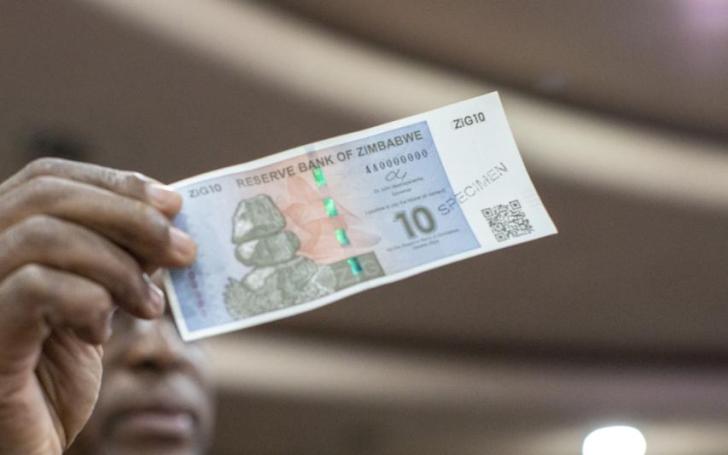
To further encourage public confidence, the central bank recently introduced a new family of high-security ZiG banknotes in denominations of ZiG10, ZiG20, ZiG50, ZiG100 and ZiG200. The lower denominations are already in circulation, while the ZiG100 and ZiG200 notes are expected to be released soon.
The RBZ has also joined the World Bank's Reserve Advisory and Management Partnership (RAMP) programme, which is expected to strengthen reserve management practices and improve resilience against global economic shocks.
While no timeline has been announced for the transition to a mono-currency system, authorities say Zimbabwe is making steady progress towards meeting the remaining conditions needed for ZiG to become the country's sole currency for domestic transactions.
In an interview with The Sunday Mail, Dr Mushayavanhu said the move towards a mono-currency system would be gradual and guided by macroeconomic fundamentals rather than a fixed implementation date.
"The transition to the exclusive use of ZiG for settling all domestic transactions will be a gradual process anchored on macroeconomic stability. As such, the transition is not date-based but is dependent on the achievement of the conditions precedent," he said.
The RBZ identified eight conditions that it considers essential before Zimbabwe can abandon the multicurrency system for domestic transactions. These include sustained single-digit inflation, adequate foreign currency reserves equivalent to at least three to six months of import cover, exchange rate stability, an efficient foreign exchange management system, increased demand for the local currency, financial sector stability, an efficient National Payments System, and strong fiscal and monetary policy coordination without central bank financing of government deficits.
According to Dr Mushayavanhu, six of those conditions have already been achieved.
Zimbabwe has maintained single-digit inflation since January 2026, while the foreign exchange market has remained relatively stable. The central bank also says it has contained the parallel market premium below 20%, maintained financial sector stability, strengthened the National Payments System and continued its policy of not financing government budget deficits since April 2024.
"The country is on course to meet the conditions precedent," Dr Mushayavanhu said. "Important to note is that the country has already achieved most of the conditions and has made significant progress towards achieving the remaining ones."
Annual ZiG inflation averaged 4.4% during the first six months of 2026, with authorities expecting inflation to remain within single-digit levels over the medium term.
The Reserve Bank is also finalising an automated foreign currency trading system in partnership with the World Bank as part of efforts to improve the efficiency and transparency of the foreign exchange market.
Attention has now shifted to meeting the remaining two requirements—building adequate foreign currency reserves and increasing the use of ZiG across the economy.
Zimbabwe's foreign currency reserves stood at US$1.6 billion by the end of June, equivalent to approximately 1.6 months of import cover. International benchmarks generally recommend reserves sufficient to cover between three and six months of imports.
Gold has become a central pillar of the country's reserve strategy.
The central bank expects its gold reserves to exceed 11 tonnes by the time Zimbabwe is ready to adopt ZiG as the sole domestic currency.
"The accumulation of gold to levels of around 11 tonnes alongside other foreign currency reserves will put the country on firm footing to maintain macroeconomic stability," Dr Mushayavanhu said.
He said stronger reserves would enable the central bank to intervene strategically in the foreign exchange market to smooth excessive exchange rate volatility while boosting investor and market confidence.
Authorities are also working to deepen the use of ZiG by expanding payments for public sector goods and services in the local currency.
Recent nationwide awareness campaigns have, according to the RBZ, improved public confidence in ZiG, while more businesses are accepting payments in both ZiG and United States dollars.
"There has also been a shift in the way the local currency is perceived in the market, as most companies are no longer charging discriminatory prices at more depreciated exchange rates," Dr Mushayavanhu said.
He added that exchange rates used by supermarkets have increasingly converged with the official interbank rate, with remaining differences largely reflecting transaction costs rather than exchange rate uncertainty.
The Reserve Bank says demand for ZiG has also been supported by government policies requiring that 50% of quarterly tax obligations be settled in local currency, as well as payments to cotton farmers and suppliers to the public sector.
Electronic transactions conducted in ZiG have risen significantly, increasing from about 26% of all transactions when the currency was introduced in April 2024 to between 35% and 40% currently.
To further encourage public confidence, the central bank recently introduced a new family of high-security ZiG banknotes in denominations of ZiG10, ZiG20, ZiG50, ZiG100 and ZiG200. The lower denominations are already in circulation, while the ZiG100 and ZiG200 notes are expected to be released soon.
The RBZ has also joined the World Bank's Reserve Advisory and Management Partnership (RAMP) programme, which is expected to strengthen reserve management practices and improve resilience against global economic shocks.
While no timeline has been announced for the transition to a mono-currency system, authorities say Zimbabwe is making steady progress towards meeting the remaining conditions needed for ZiG to become the country's sole currency for domestic transactions.
Source - Sunday Mail
Join the discussion
Loading comments…


