News / National
Constitution a living document, says Zanu-PF
12 Feb 2026 at 08:45hrs |
0 Views
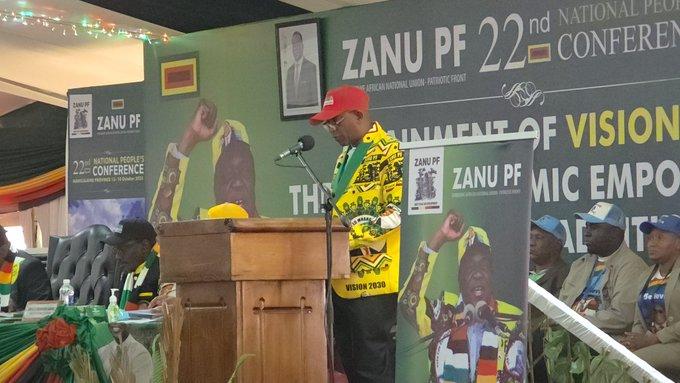
Zanu-PF's Legal Affairs Department has declared that Zimbabwe's Constitution is not a rigid or immutable document but a living framework that must evolve to meet the aspirations of the people and enable effective governance.
The position comes after Cabinet on Tuesday approved the Constitutional Amendment No. 3 Bill of 2026, which proposes significant changes to the country's governance architecture - including the election of the President by Parliament rather than by direct popular vote.
Under the proposed amendments, the President would be elected by an absolute majority of Members of Parliament, with the Chief Justice presiding over the process. The Bill also seeks to extend the presidential term from five to seven years.
In a strategic document titled "Understanding the Party-State Constitution Nexus for Enhanced Governance," presented at a Strategic Seminar for Zanu-PF Politburo members in Harare yesterday, the party's Secretary for Legal Affairs Ziyambi Ziyambi and his deputy Fortune Chasi outlined what they described as the constitutional necessity of continued party guidance in fulfilling the historic objectives of the liberation struggle.
The document establishes a conceptual link between the Zanu-PF constitution and the national Constitution, arguing that both derive legitimacy from "the people of Zimbabwe." It asserts that while the party constitution expresses the revolutionary will of the people, the national Constitution formalises that will into law.
"Zanu-PF is the political embodiment of the people's will; the national Constitution is its legal formalisation. Our guiding role is fulfilment of constitutionalism," reads part of the document.
The paper dismisses what it calls the "party versus State fallacy" often raised by opposition groups, describing such arguments as historically illiterate and constitutionally unfounded.
"The claim that Zanu-PF's guiding role violates the Constitution is a deliberate misreading. The national Constitution's Chapter 2 explicitly guides the State in formulating and implementing laws and policy decisions. The party provides this essential guiding ideology," the document states.
According to the authors, Zimbabwe's governance model mirrors that of other revolutionary movements in Africa and beyond. They cite countries such as South Africa and Mozambique, as well as China and Vietnam, as examples where sustained party leadership has delivered long-term stability and development.
The document further argues that opposition criticism of the amendments is a political strategy aimed at weakening what it terms the "revolutionary vanguard" and creating space for external interference, contrary to constitutional objectives of national unity.
Addressing concerns about amending the 2013 Constitution, the document characterises it as a negotiated settlement crafted during the Government of National Unity, reflecting compromises between competing political actors.
"A core constitutional principle is that the supreme law is a living document. Its amendability is a feature, not a flaw, allowing the State to remain dynamic," it states.
"Forged during the Government of National Unity, it was a negotiated settlement. Certain provisions reflect the political pressures of that moment, not a pure expression of our long-term national vision.
"Therefore, amendment is not an attack but a responsible perfection. It is our duty to refine the supreme law, ensuring it is a tool for unimpeded development, not a constraint from a past compromise."
Zanu-PF maintains that using its parliamentary majority to pass amendments constitutes "the highest form of constitutional stewardship," aligning the supreme law with what it describes as the need for stability, continuity and effective implementation of national development programmes.
Repeated electoral victories, the document argues, represent the ultimate expression of the popular will and a mandate to undertake constitutional refinement.
It also rejects calls for the party to reduce its historical role in governance, asserting that such a move would betray the sovereign trust of the people.
"The Constitution states that authority is derived from ‘the people of Zimbabwe'. To withdraw our guidance would betray this sovereign trust," the document reads.
The paper further proposes that the Herbert Chitepo School of Ideology serve as an institutional bridge between Zanu-PF doctrine and constitutional obligations related to good, transparent and accountable governance.
The draft Constitutional Amendment Bill is expected to be tabled before Parliament for debate in the coming weeks, setting the stage for what could become one of the most consequential constitutional reforms since 2013.
The position comes after Cabinet on Tuesday approved the Constitutional Amendment No. 3 Bill of 2026, which proposes significant changes to the country's governance architecture - including the election of the President by Parliament rather than by direct popular vote.
Under the proposed amendments, the President would be elected by an absolute majority of Members of Parliament, with the Chief Justice presiding over the process. The Bill also seeks to extend the presidential term from five to seven years.
In a strategic document titled "Understanding the Party-State Constitution Nexus for Enhanced Governance," presented at a Strategic Seminar for Zanu-PF Politburo members in Harare yesterday, the party's Secretary for Legal Affairs Ziyambi Ziyambi and his deputy Fortune Chasi outlined what they described as the constitutional necessity of continued party guidance in fulfilling the historic objectives of the liberation struggle.
The document establishes a conceptual link between the Zanu-PF constitution and the national Constitution, arguing that both derive legitimacy from "the people of Zimbabwe." It asserts that while the party constitution expresses the revolutionary will of the people, the national Constitution formalises that will into law.
"Zanu-PF is the political embodiment of the people's will; the national Constitution is its legal formalisation. Our guiding role is fulfilment of constitutionalism," reads part of the document.
The paper dismisses what it calls the "party versus State fallacy" often raised by opposition groups, describing such arguments as historically illiterate and constitutionally unfounded.
"The claim that Zanu-PF's guiding role violates the Constitution is a deliberate misreading. The national Constitution's Chapter 2 explicitly guides the State in formulating and implementing laws and policy decisions. The party provides this essential guiding ideology," the document states.
According to the authors, Zimbabwe's governance model mirrors that of other revolutionary movements in Africa and beyond. They cite countries such as South Africa and Mozambique, as well as China and Vietnam, as examples where sustained party leadership has delivered long-term stability and development.
The document further argues that opposition criticism of the amendments is a political strategy aimed at weakening what it terms the "revolutionary vanguard" and creating space for external interference, contrary to constitutional objectives of national unity.
"A core constitutional principle is that the supreme law is a living document. Its amendability is a feature, not a flaw, allowing the State to remain dynamic," it states.
"Forged during the Government of National Unity, it was a negotiated settlement. Certain provisions reflect the political pressures of that moment, not a pure expression of our long-term national vision.
"Therefore, amendment is not an attack but a responsible perfection. It is our duty to refine the supreme law, ensuring it is a tool for unimpeded development, not a constraint from a past compromise."
Zanu-PF maintains that using its parliamentary majority to pass amendments constitutes "the highest form of constitutional stewardship," aligning the supreme law with what it describes as the need for stability, continuity and effective implementation of national development programmes.
Repeated electoral victories, the document argues, represent the ultimate expression of the popular will and a mandate to undertake constitutional refinement.
It also rejects calls for the party to reduce its historical role in governance, asserting that such a move would betray the sovereign trust of the people.
"The Constitution states that authority is derived from ‘the people of Zimbabwe'. To withdraw our guidance would betray this sovereign trust," the document reads.
The paper further proposes that the Herbert Chitepo School of Ideology serve as an institutional bridge between Zanu-PF doctrine and constitutional obligations related to good, transparent and accountable governance.
The draft Constitutional Amendment Bill is expected to be tabled before Parliament for debate in the coming weeks, setting the stage for what could become one of the most consequential constitutional reforms since 2013.
Source - The Herald
Join the discussion
Loading comments…




