News / National
Mnangagwa fails to file papers in explosive court challenge
26 Mar 2026 at 20:38hrs |
1353 Views
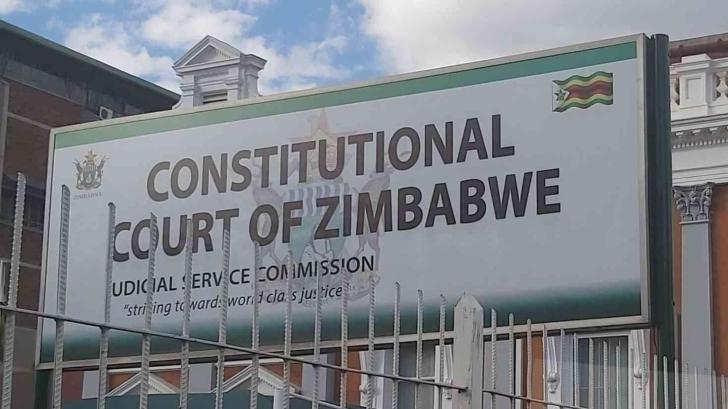
President Emmerson Mnangagwa has not filed opposing papers in a high-stakes Constitutional Court challenge brought by war veterans seeking to block proposed amendments that could extend his tenure by two years.
The case, now before the Constitutional Court of Zimbabwe, has drawn significant attention as it tests the legality of constitutional changes widely seen as politically sensitive.
Attorney-General Virginia Mabhiza, cited as the second respondent, has filed an opposing affidavit. She stated that she is acting both in her own capacity and on behalf of the President, arguing that the matter concerns statutory interpretation and is unlikely to involve disputes of fact.
However, the applicants—Reuben Zulu, Godfrey Gurira, Shoorai Nyamangodo, Joseph Chinyangare, Digmore Knowledge Ndiya and Joseph Chinguwa—argue that Mnangagwa's silence is legally significant.
In a replying affidavit, Zulu said the President's failure to file opposing papers suggests he is not contesting the application.
"The failure of the first respondent to file an opposing affidavit… means that he is not opposed to the relief sought," he argued.
The applicants, represented by constitutional lawyer Lovemore Madhuku, further contend that the Attorney-General cannot legally stand in for the President in such a matter.
Zulu argued that allegations relating to a President's failure to fulfil constitutional duties must be answered personally and cannot be delegated.
"I am advised that the averment by the second respondent that she is also representing the first respondent cannot have the effect of making her opposing affidavit that of the first respondent," he said.
He added: "This cannot be delegated to any other State official whatever the circumstances."
At the centre of the dispute are proposed constitutional amendments that the applicants say are designed to unlawfully extend Mnangagwa's rule beyond the current limits.
They are seeking an order nullifying the amendments, arguing that they violate the Constitution and undermine democratic principles.
The case is expected to set a critical precedent on executive accountability and the limits of constitutional amendments in Zimbabwe.
The case, now before the Constitutional Court of Zimbabwe, has drawn significant attention as it tests the legality of constitutional changes widely seen as politically sensitive.
Attorney-General Virginia Mabhiza, cited as the second respondent, has filed an opposing affidavit. She stated that she is acting both in her own capacity and on behalf of the President, arguing that the matter concerns statutory interpretation and is unlikely to involve disputes of fact.
However, the applicants—Reuben Zulu, Godfrey Gurira, Shoorai Nyamangodo, Joseph Chinyangare, Digmore Knowledge Ndiya and Joseph Chinguwa—argue that Mnangagwa's silence is legally significant.
In a replying affidavit, Zulu said the President's failure to file opposing papers suggests he is not contesting the application.
"The failure of the first respondent to file an opposing affidavit… means that he is not opposed to the relief sought," he argued.
Zulu argued that allegations relating to a President's failure to fulfil constitutional duties must be answered personally and cannot be delegated.
"I am advised that the averment by the second respondent that she is also representing the first respondent cannot have the effect of making her opposing affidavit that of the first respondent," he said.
He added: "This cannot be delegated to any other State official whatever the circumstances."
At the centre of the dispute are proposed constitutional amendments that the applicants say are designed to unlawfully extend Mnangagwa's rule beyond the current limits.
They are seeking an order nullifying the amendments, arguing that they violate the Constitution and undermine democratic principles.
The case is expected to set a critical precedent on executive accountability and the limits of constitutional amendments in Zimbabwe.
Source - Newsday
Join the discussion
Loading comments…





