News / National
Mnangagwa term extension ConCourt challenge, AG seeks dismissal case
27 Mar 2026 at 14:39hrs |
1402 Views
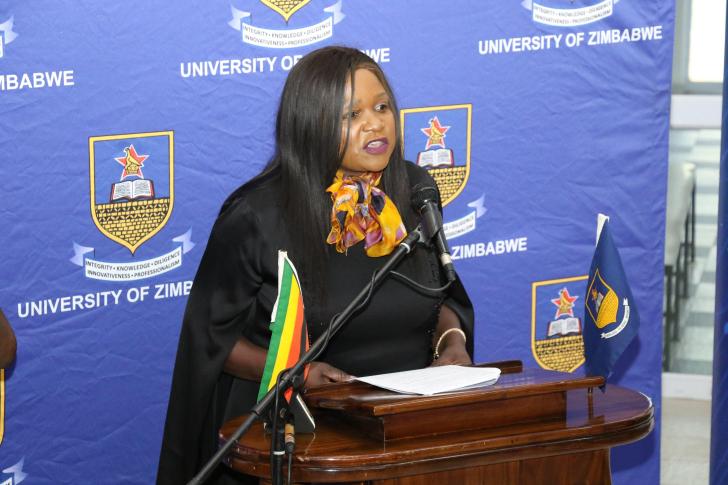
Attorney-General Virginia Mabiza has filed an application at the Constitutional Court seeking the dismissal of a legal challenge against proposed constitutional amendments that could extend President Emmerson Mnangagwa's term of office.
The application was brought by six war veterans - Reuben Zulu, Godfrey Gurira, Shoorai Nyamangodo, Joseph Chinyangare, Digmore Knowledge Ndiya and Joseph Chinguwa - who are contesting the constitutionality of the proposed Constitutional Amendment No. 3 Bill.
In her opposing affidavit, Mabiza argued that the application is premature and speculative, as the Bill in question has not yet been enacted into law.
"If applicants believe that the proposed Constitutional Amendment Bill is unconstitutional, as they allege, they should participate in these consultations and/or submit their written objections and proposals before Parliament," she said.
She added that the applicants would retain the right to challenge the law after its enactment, should their concerns not be addressed during the legislative process.
Mabiza further raised concerns over the doctrine of separation of powers, warning against judicial interference in Parliament's law-making role.
"The legislative process must be allowed to take its course," she submitted.
"Applicants misread the jurisdiction of this honourable court to pronounce on proposed legislation and to interfere with law-making processes."
She also stated that the President does not have a constitutional obligation to assess the legality of proposed laws, arguing that such responsibility lies with the courts.
However, lead applicant Reuben Zulu, represented by constitutional lawyer Lovemore Madhuku, insisted that the case is not premature, arguing that it targets the President's conduct rather than a future law.
Zulu contended that Mnangagwa had already breached the Constitution by participating in processes advancing amendments that could potentially benefit him personally.
"The complaint is that the first respondent has already failed to defend the Constitution by presiding over and being party to the Executive advancement of the impugned scheme," Zulu said.
He argued that the alleged violation arose when the President supported the proposed amendments through Cabinet processes, despite constitutional provisions that prohibit self-serving extensions of tenure.
Zulu further maintained that Mnangagwa should have recused himself from the process.
"What was impermissible was not some failure to police Parliament, but personal participation in advancing through Executive authority a scheme from which he stood to benefit," he added.
Notably, Mnangagwa - cited as the first respondent - has not filed opposing papers in the matter.
Zulu argued that this absence suggests the President may not be contesting the application.
"The failure of the first respondent to file an opposing affidavit… means that he is not opposed to the relief sought," he said.
At the centre of the dispute are constitutional provisions that limit presidential term extensions, particularly safeguards designed to prevent incumbents from altering the law to prolong their stay in office.
The case is expected to test the boundaries between executive conduct, legislative authority, and judicial oversight, with significant implications for Zimbabwe's constitutional order.
The application was brought by six war veterans - Reuben Zulu, Godfrey Gurira, Shoorai Nyamangodo, Joseph Chinyangare, Digmore Knowledge Ndiya and Joseph Chinguwa - who are contesting the constitutionality of the proposed Constitutional Amendment No. 3 Bill.
In her opposing affidavit, Mabiza argued that the application is premature and speculative, as the Bill in question has not yet been enacted into law.
"If applicants believe that the proposed Constitutional Amendment Bill is unconstitutional, as they allege, they should participate in these consultations and/or submit their written objections and proposals before Parliament," she said.
She added that the applicants would retain the right to challenge the law after its enactment, should their concerns not be addressed during the legislative process.
Mabiza further raised concerns over the doctrine of separation of powers, warning against judicial interference in Parliament's law-making role.
"The legislative process must be allowed to take its course," she submitted.
"Applicants misread the jurisdiction of this honourable court to pronounce on proposed legislation and to interfere with law-making processes."
She also stated that the President does not have a constitutional obligation to assess the legality of proposed laws, arguing that such responsibility lies with the courts.
However, lead applicant Reuben Zulu, represented by constitutional lawyer Lovemore Madhuku, insisted that the case is not premature, arguing that it targets the President's conduct rather than a future law.
Zulu contended that Mnangagwa had already breached the Constitution by participating in processes advancing amendments that could potentially benefit him personally.
"The complaint is that the first respondent has already failed to defend the Constitution by presiding over and being party to the Executive advancement of the impugned scheme," Zulu said.
He argued that the alleged violation arose when the President supported the proposed amendments through Cabinet processes, despite constitutional provisions that prohibit self-serving extensions of tenure.
Zulu further maintained that Mnangagwa should have recused himself from the process.
"What was impermissible was not some failure to police Parliament, but personal participation in advancing through Executive authority a scheme from which he stood to benefit," he added.
Notably, Mnangagwa - cited as the first respondent - has not filed opposing papers in the matter.
Zulu argued that this absence suggests the President may not be contesting the application.
"The failure of the first respondent to file an opposing affidavit… means that he is not opposed to the relief sought," he said.
At the centre of the dispute are constitutional provisions that limit presidential term extensions, particularly safeguards designed to prevent incumbents from altering the law to prolong their stay in office.
The case is expected to test the boundaries between executive conduct, legislative authority, and judicial oversight, with significant implications for Zimbabwe's constitutional order.
Source - newsday
Join the discussion
Loading comments…





