News / National
Zimbabwe pursues reform agenda at IMF/World Bank spring meetings
14 Apr 2026 at 13:11hrs |
0 Views
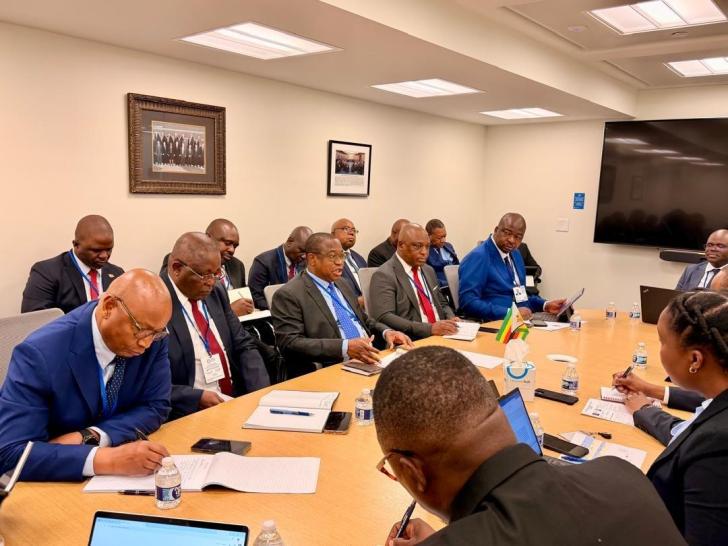
Zimbabwe is participating in the IMF/World Bank Spring Meetings 2026, currently underway in Washington from April 13 to 18, with the country's delegation led by Finance Minister Mthuli Ncube focusing on growth, jobs, and economic resilience.
The meetings coincide with Zimbabwe's ongoing 10-month Staff-Monitored Programme (March–September 2026), which is designed to anchor fiscal and structural reforms, including fiscal discipline, protection of foreign currency reserves, controlled borrowing, and safeguarding social spending in line with the National Development Strategy 2.
Government officials reported progress on several fronts, including reduced inflation to single-digit levels, containment of domestic debt, and improvements in tax collection and public finance management systems.
Authorities also highlighted plans to reduce domestic debt by up to 30 percent and introduce a national pricing framework aimed at stabilising the economy and improving market predictability.
Engagements are ongoing with international financial institutions, including the World Bank and African Development Bank, as Zimbabwe continues efforts to secure arrears clearance financing - a key step toward re-engagement with global creditors.
The International Monetary Fund (IMF) acknowledged the progress made under the reform programme but cautioned that sustained effort is needed, particularly in managing external risks such as rising global fuel prices and broader economic shocks.
Officials say the focus remains on maintaining reform momentum while building resilience in key sectors of the economy, with an emphasis on restoring long-term macroeconomic stability and attracting investment.
The meetings coincide with Zimbabwe's ongoing 10-month Staff-Monitored Programme (March–September 2026), which is designed to anchor fiscal and structural reforms, including fiscal discipline, protection of foreign currency reserves, controlled borrowing, and safeguarding social spending in line with the National Development Strategy 2.
Government officials reported progress on several fronts, including reduced inflation to single-digit levels, containment of domestic debt, and improvements in tax collection and public finance management systems.
Authorities also highlighted plans to reduce domestic debt by up to 30 percent and introduce a national pricing framework aimed at stabilising the economy and improving market predictability.
Engagements are ongoing with international financial institutions, including the World Bank and African Development Bank, as Zimbabwe continues efforts to secure arrears clearance financing - a key step toward re-engagement with global creditors.
The International Monetary Fund (IMF) acknowledged the progress made under the reform programme but cautioned that sustained effort is needed, particularly in managing external risks such as rising global fuel prices and broader economic shocks.
Officials say the focus remains on maintaining reform momentum while building resilience in key sectors of the economy, with an emphasis on restoring long-term macroeconomic stability and attracting investment.
Source - Byo24News
Join the discussion
Loading comments…





