News / National
Mpilo begins installing new cancer treatment machine
08 Jun 2026 at 13:12hrs |
0 Views
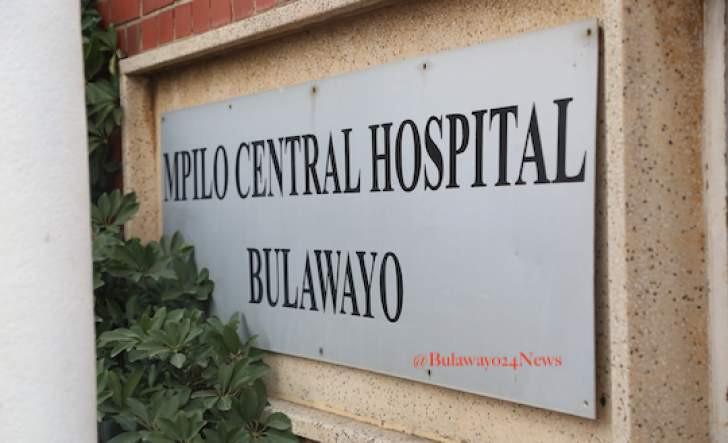
Engineers have started installing one of the new cancer treatment machines recently delivered to Mpilo Central Hospital, marking a significant step towards restoring and strengthening radiotherapy services for cancer patients in Zimbabwe's southern region.
The development comes after years of disruption caused by equipment failures that left many cancer patients without access to radiotherapy treatment, forcing some to travel long distances in search of care while others faced delays in receiving critical treatment.
Mpilo Hospital chief biomedical equipment officer Vulindlela Dube confirmed that installation work is currently underway on the lower-energy linear accelerator.
"Engineers are on site as we speak, working on the lower-energy machine. We are still waiting for the delivery of the multi-energy machine together with the CT scan machine," Dube told Southern Eye.
He said the supplier would be responsible for installing the equipment before it undergoes rigorous testing and certification.
"Once the installations have been completed, physicists have to come in and do a quality control of the machines. It will take up to three months to finish the installation process," he said.
The arrival and installation of the new equipment has been welcomed by residents and healthcare stakeholders who have long called for improved cancer treatment services in Bulawayo.
Bulawayo Progressive Residents Association director Permanent Ngoma said the project would significantly improve access to treatment for cancer patients.
"We welcome such initiatives, especially for the cancer patients. Such projects open more opportunities for residents and we are happy about such a development," he said.
Ngoma also urged the government to expedite the procurement and installation of additional oncology equipment to meet growing demand for cancer care.
Mpilo recently received three cancer treatment machines under a government programme funded through revenue generated from the sugar tax, a levy introduced to support efforts to combat non-communicable diseases and strengthen healthcare services.
The tax was initially set at US$0.002 per gramme of sugar before being reduced to US$0.001 in February 2024 following concerns raised by beverage manufacturers.
Reports indicate that the levy had generated more than US$60 million by early 2026, with over US$30 million already collected by the end of 2024.
Health and Child Care Deputy Minister Sleiman Kwidini recently said the new equipment would substantially improve Mpilo's capacity to diagnose and treat cancer patients.
Hospital physicist Charles Matope explained that the installation process would be carried out in two stages, namely acceptance and commissioning, before the machines can be used for patient treatment.
Kwidini urged the technical team to expedite the process and revealed that government is sourcing additional radiotherapy machines from Switzerland as part of plans to equip all central hospitals before expanding oncology services to other healthcare institutions.
The installation marks a significant breakthrough for Mpilo's cancer unit, which has faced prolonged operational challenges in recent years.
In 2022, hospital authorities reported that cancer patients requiring radiotherapy treatment were being turned away after the facility's radiotherapy machine broke down. The machine has been out of service since August 2020, leaving patients in the southern region without access to a critical cancer treatment service for several years.
Then acting Bulawayo provincial medical director Dr Marphios Siamuchembu said patients had gone for more than a year without radiotherapy treatment at the facility.
Mpilo Central Hospital is one of only two public health institutions in Zimbabwe that provide specialised cancer treatment services. The installation of the new equipment is expected to significantly strengthen the country's oncology infrastructure and improve access to life-saving cancer care for thousands of patients.
The development comes after years of disruption caused by equipment failures that left many cancer patients without access to radiotherapy treatment, forcing some to travel long distances in search of care while others faced delays in receiving critical treatment.
Mpilo Hospital chief biomedical equipment officer Vulindlela Dube confirmed that installation work is currently underway on the lower-energy linear accelerator.
"Engineers are on site as we speak, working on the lower-energy machine. We are still waiting for the delivery of the multi-energy machine together with the CT scan machine," Dube told Southern Eye.
He said the supplier would be responsible for installing the equipment before it undergoes rigorous testing and certification.
"Once the installations have been completed, physicists have to come in and do a quality control of the machines. It will take up to three months to finish the installation process," he said.
The arrival and installation of the new equipment has been welcomed by residents and healthcare stakeholders who have long called for improved cancer treatment services in Bulawayo.
Bulawayo Progressive Residents Association director Permanent Ngoma said the project would significantly improve access to treatment for cancer patients.
"We welcome such initiatives, especially for the cancer patients. Such projects open more opportunities for residents and we are happy about such a development," he said.
Ngoma also urged the government to expedite the procurement and installation of additional oncology equipment to meet growing demand for cancer care.
The tax was initially set at US$0.002 per gramme of sugar before being reduced to US$0.001 in February 2024 following concerns raised by beverage manufacturers.
Reports indicate that the levy had generated more than US$60 million by early 2026, with over US$30 million already collected by the end of 2024.
Health and Child Care Deputy Minister Sleiman Kwidini recently said the new equipment would substantially improve Mpilo's capacity to diagnose and treat cancer patients.
Hospital physicist Charles Matope explained that the installation process would be carried out in two stages, namely acceptance and commissioning, before the machines can be used for patient treatment.
Kwidini urged the technical team to expedite the process and revealed that government is sourcing additional radiotherapy machines from Switzerland as part of plans to equip all central hospitals before expanding oncology services to other healthcare institutions.
The installation marks a significant breakthrough for Mpilo's cancer unit, which has faced prolonged operational challenges in recent years.
In 2022, hospital authorities reported that cancer patients requiring radiotherapy treatment were being turned away after the facility's radiotherapy machine broke down. The machine has been out of service since August 2020, leaving patients in the southern region without access to a critical cancer treatment service for several years.
Then acting Bulawayo provincial medical director Dr Marphios Siamuchembu said patients had gone for more than a year without radiotherapy treatment at the facility.
Mpilo Central Hospital is one of only two public health institutions in Zimbabwe that provide specialised cancer treatment services. The installation of the new equipment is expected to significantly strengthen the country's oncology infrastructure and improve access to life-saving cancer care for thousands of patients.
Source - Southern Eye
Join the discussion
Loading comments…




