News / National
ZSE's reform gamble
11 Jun 2026 at 06:53hrs |
0 Views
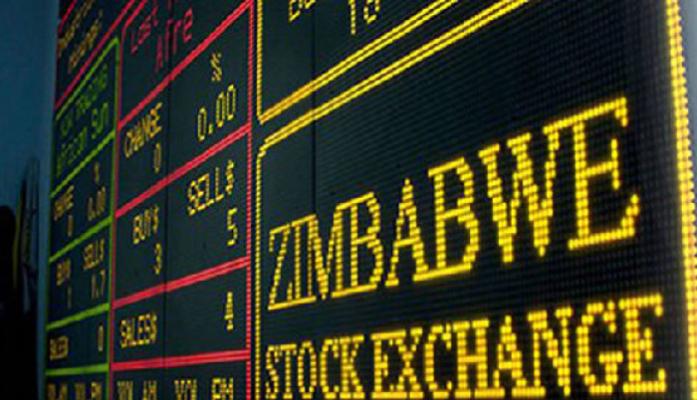
The Zimbabwe Stock Exchange (ZSE) has unveiled sweeping reforms aimed at revitalising the local bourse, cutting listing fees, relaxing free-float requirements and waiving selected compliance costs in what amounts to its most significant policy shift in years.
The changes come after a prolonged period of declining new listings and growing competition from the dollar-denominated Victoria Falls Stock Exchange (VFEX), which has increasingly attracted companies seeking hard-currency trading, stronger valuations and broader investor appeal.
In many respects, the reforms amount to a recognition that the ZSE can no longer depend on its history, legacy status or regulatory inertia to maintain its position as Zimbabwe's primary capital market. Faced with a changing financial landscape, the exchange has acknowledged that adaptation is no longer optional.
Among the most notable changes is the reduction of the minimum market capitalisation threshold for listing from US$10 million to US$1 million, a move that significantly broadens access to the market for small and medium-sized enterprises and emerging businesses.
The exchange has also lowered the minimum free-float requirement from 30 percent to 10 percent, allowing founders and major shareholders to retain greater control while still accessing public capital. Additionally, listed companies will no longer be required to subject interim financial statements to external audit reviews under listing rules for the next three years, reducing compliance costs.
These are not merely technical adjustments. They represent a strategic attempt to reverse years of declining competitiveness.
Since its establishment, VFEX has steadily gained traction as an alternative capital-raising platform. Several companies have migrated from the ZSE, attracted by the benefits of trading in United States dollars and access to international investors.
Nine issuers have already moved to the VFEX, with some citing persistent undervaluation on the ZSE as a key concern. More companies are reportedly considering similar moves.
For years, market participants have highlighted concerns around liquidity constraints, valuation distortions and limited capital-raising opportunities on the ZSE. The rise of VFEX has simply amplified these challenges and exposed weaknesses that can no longer be ignored.
Against this backdrop, lowering barriers to entry appears both necessary and overdue.
Critics, however, argue that easier listing requirements could encourage an influx of smaller companies that may struggle to meet investor expectations, potentially weakening the exchange's institutional standing.
While such concerns are legitimate, they overlook a fundamental reality: capital markets derive their strength from participation. A market with few listings and limited activity struggles to attract investors, regardless of how stringent its requirements may be.
Liquidity, market depth and investor engagement are built through a vibrant ecosystem of issuers, not through exclusivity alone.
The real challenge for the ZSE lies not in lowering entry barriers but in ensuring that accessibility does not come at the expense of quality.
Relaxed listing requirements must be accompanied by stronger post-listing supervision, robust disclosure standards and consistent enforcement of governance obligations. Without these safeguards, the exchange risks creating a market populated by weak counters that fail to attract sustained investor interest.
Investor confidence remains the cornerstone of any successful stock market. Institutional investors, pension funds, asset managers and foreign portfolio investors are drawn not only by lower costs but by confidence in market integrity, transparency and regulatory consistency.
That means the ZSE's long-term success will depend on its ability to balance flexibility with discipline.
The reforms also raise broader questions about the future direction of Zimbabwe's capital markets. Are these measures part of a comprehensive strategy to strengthen the exchange over the next decade, or are they primarily a reaction to mounting competitive pressure from VFEX?
Markets respond positively to certainty. Temporary incentives may stimulate short-term activity, but sustainable growth requires a clear regulatory vision that gives both issuers and investors confidence in the future.
Ultimately, the success of the reforms will not be measured by the number of companies that list over the next few years. The more important test will be whether those companies remain transparent, liquid and investable over the long term.
The ZSE's reforms are a necessary response to changing market realities and increasing competition. They signal a willingness to evolve and remove barriers that may have discouraged participation for years.
However, greater accessibility must be matched by stronger oversight, credible enforcement and unwavering commitment to market integrity.
The exchange's future will not be secured by lower listing costs alone. It will depend on its ability to adapt while preserving the trust and confidence that underpin every successful capital market.
In the end, survival may require disruption, but long-term relevance will always depend on credibility.
The changes come after a prolonged period of declining new listings and growing competition from the dollar-denominated Victoria Falls Stock Exchange (VFEX), which has increasingly attracted companies seeking hard-currency trading, stronger valuations and broader investor appeal.
In many respects, the reforms amount to a recognition that the ZSE can no longer depend on its history, legacy status or regulatory inertia to maintain its position as Zimbabwe's primary capital market. Faced with a changing financial landscape, the exchange has acknowledged that adaptation is no longer optional.
Among the most notable changes is the reduction of the minimum market capitalisation threshold for listing from US$10 million to US$1 million, a move that significantly broadens access to the market for small and medium-sized enterprises and emerging businesses.
The exchange has also lowered the minimum free-float requirement from 30 percent to 10 percent, allowing founders and major shareholders to retain greater control while still accessing public capital. Additionally, listed companies will no longer be required to subject interim financial statements to external audit reviews under listing rules for the next three years, reducing compliance costs.
These are not merely technical adjustments. They represent a strategic attempt to reverse years of declining competitiveness.
Since its establishment, VFEX has steadily gained traction as an alternative capital-raising platform. Several companies have migrated from the ZSE, attracted by the benefits of trading in United States dollars and access to international investors.
Nine issuers have already moved to the VFEX, with some citing persistent undervaluation on the ZSE as a key concern. More companies are reportedly considering similar moves.
For years, market participants have highlighted concerns around liquidity constraints, valuation distortions and limited capital-raising opportunities on the ZSE. The rise of VFEX has simply amplified these challenges and exposed weaknesses that can no longer be ignored.
Against this backdrop, lowering barriers to entry appears both necessary and overdue.
Critics, however, argue that easier listing requirements could encourage an influx of smaller companies that may struggle to meet investor expectations, potentially weakening the exchange's institutional standing.
While such concerns are legitimate, they overlook a fundamental reality: capital markets derive their strength from participation. A market with few listings and limited activity struggles to attract investors, regardless of how stringent its requirements may be.
Liquidity, market depth and investor engagement are built through a vibrant ecosystem of issuers, not through exclusivity alone.
The real challenge for the ZSE lies not in lowering entry barriers but in ensuring that accessibility does not come at the expense of quality.
Relaxed listing requirements must be accompanied by stronger post-listing supervision, robust disclosure standards and consistent enforcement of governance obligations. Without these safeguards, the exchange risks creating a market populated by weak counters that fail to attract sustained investor interest.
Investor confidence remains the cornerstone of any successful stock market. Institutional investors, pension funds, asset managers and foreign portfolio investors are drawn not only by lower costs but by confidence in market integrity, transparency and regulatory consistency.
That means the ZSE's long-term success will depend on its ability to balance flexibility with discipline.
The reforms also raise broader questions about the future direction of Zimbabwe's capital markets. Are these measures part of a comprehensive strategy to strengthen the exchange over the next decade, or are they primarily a reaction to mounting competitive pressure from VFEX?
Markets respond positively to certainty. Temporary incentives may stimulate short-term activity, but sustainable growth requires a clear regulatory vision that gives both issuers and investors confidence in the future.
Ultimately, the success of the reforms will not be measured by the number of companies that list over the next few years. The more important test will be whether those companies remain transparent, liquid and investable over the long term.
The ZSE's reforms are a necessary response to changing market realities and increasing competition. They signal a willingness to evolve and remove barriers that may have discouraged participation for years.
However, greater accessibility must be matched by stronger oversight, credible enforcement and unwavering commitment to market integrity.
The exchange's future will not be secured by lower listing costs alone. It will depend on its ability to adapt while preserving the trust and confidence that underpin every successful capital market.
In the end, survival may require disruption, but long-term relevance will always depend on credibility.
Source - newsday
Join the discussion
Loading comments…



