News / National
Ndlovu says people are Zimbabwe's greatest resource
24 Jun 2026 at 19:45hrs |
0 Views
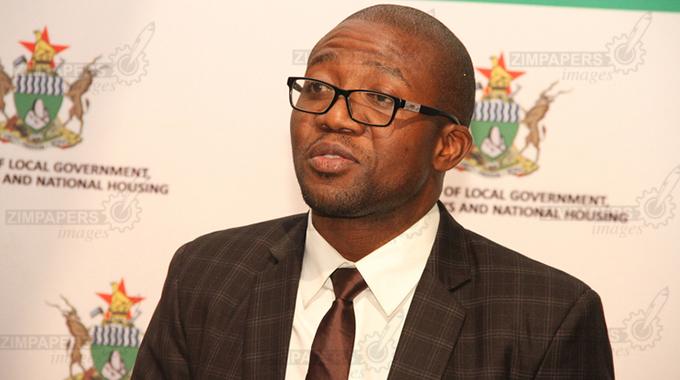
Industry and Commerce Minister Nqobizitha Mangaliso Ndlovu has said Zimbabwe's greatest asset is not its vast mineral wealth but its people, arguing that the country's long-term prosperity will depend on developing skilled, innovative and productive citizens capable of driving industrialisation and economic transformation.
Speaking at the High-Impact Business Masterclass hosted by Sharpe Business Academy in Harare on Wednesday, Ndlovu challenged both government and the private sector to ensure that Zimbabwe's abundant natural resources generate tangible benefits for ordinary citizens, particularly young people.
"When you want to know how much Zimbabwe has in terms of its mineral endowment, the question to ask is which minerals do you not have?" Ndlovu said.
"But given that we have marketed Zimbabwe as such a mineral-endowed country, do young people appreciate what we have? Are these riches translating into real impact?"
Zimbabwe is endowed with significant deposits of gold, platinum, lithium, chrome, coal, diamonds and other strategic minerals, making mining one of the country's most important economic sectors.
However, Ndlovu argued that natural resources alone are insufficient to guarantee development unless they are transformed into opportunities that improve livelihoods and create sustainable economic growth.
He said achieving the country's Vision 2030 goal of attaining upper-middle-income status would require a collaborative approach involving government, business and citizens.
"This is a vision which government alone cannot achieve, and the private sector alone cannot achieve. It calls upon Zimbabwe as a collective to come together," he said.
Ndlovu also highlighted the critical role of agriculture in supporting industrial development, noting that the sector provides the majority of raw materials used by local manufacturers.
His remarks come as Zimbabwe prepares to implement the National Development Strategy 2 (NDS2), the final five-year economic blueprint designed to guide the country towards achieving Vision 2030.
While manufacturing emerged as Zimbabwe's largest contributor to gross domestic product in 2024, the sector continues to face significant challenges.
Industry players are grappling with high production costs, limited access to affordable finance, ageing infrastructure and equipment, and constrained domestic demand.
Recent data shows that manufacturing capacity utilisation declined from 52.3% in 2024 to 47.7% during the first quarter of 2025, reflecting the pressures facing local industry.
Despite these challenges, government remains committed to expanding the sector's contribution to economic growth.
The Ministry of Industry and Commerce has set a target of increasing manufactured exports to US$1 billion by 2027 as part of efforts to stimulate industrial growth, boost foreign currency earnings and create employment opportunities.
Ndlovu said Zimbabwe's competitiveness in the future would depend less on the quantity of minerals beneath the ground and more on the quality of human capital available to transform those resources into higher-value products and services.
His remarks reinforce growing calls for increased investment in education, skills development, entrepreneurship and innovation as Zimbabwe seeks to transition from a resource-based economy to a more diversified and industrialised one.
As the country advances its industrialisation agenda, policymakers increasingly view human capital development as a critical factor in unlocking the full value of Zimbabwe's natural resource wealth and achieving sustainable economic transformation.
Speaking at the High-Impact Business Masterclass hosted by Sharpe Business Academy in Harare on Wednesday, Ndlovu challenged both government and the private sector to ensure that Zimbabwe's abundant natural resources generate tangible benefits for ordinary citizens, particularly young people.
"When you want to know how much Zimbabwe has in terms of its mineral endowment, the question to ask is which minerals do you not have?" Ndlovu said.
"But given that we have marketed Zimbabwe as such a mineral-endowed country, do young people appreciate what we have? Are these riches translating into real impact?"
Zimbabwe is endowed with significant deposits of gold, platinum, lithium, chrome, coal, diamonds and other strategic minerals, making mining one of the country's most important economic sectors.
However, Ndlovu argued that natural resources alone are insufficient to guarantee development unless they are transformed into opportunities that improve livelihoods and create sustainable economic growth.
He said achieving the country's Vision 2030 goal of attaining upper-middle-income status would require a collaborative approach involving government, business and citizens.
"This is a vision which government alone cannot achieve, and the private sector alone cannot achieve. It calls upon Zimbabwe as a collective to come together," he said.
Ndlovu also highlighted the critical role of agriculture in supporting industrial development, noting that the sector provides the majority of raw materials used by local manufacturers.
While manufacturing emerged as Zimbabwe's largest contributor to gross domestic product in 2024, the sector continues to face significant challenges.
Industry players are grappling with high production costs, limited access to affordable finance, ageing infrastructure and equipment, and constrained domestic demand.
Recent data shows that manufacturing capacity utilisation declined from 52.3% in 2024 to 47.7% during the first quarter of 2025, reflecting the pressures facing local industry.
Despite these challenges, government remains committed to expanding the sector's contribution to economic growth.
The Ministry of Industry and Commerce has set a target of increasing manufactured exports to US$1 billion by 2027 as part of efforts to stimulate industrial growth, boost foreign currency earnings and create employment opportunities.
Ndlovu said Zimbabwe's competitiveness in the future would depend less on the quantity of minerals beneath the ground and more on the quality of human capital available to transform those resources into higher-value products and services.
His remarks reinforce growing calls for increased investment in education, skills development, entrepreneurship and innovation as Zimbabwe seeks to transition from a resource-based economy to a more diversified and industrialised one.
As the country advances its industrialisation agenda, policymakers increasingly view human capital development as a critical factor in unlocking the full value of Zimbabwe's natural resource wealth and achieving sustainable economic transformation.
Source - newsday
Join the discussion
Loading comments…




