News / National
High Court rejects miner's bid for permit
14 Sep 2026 at 10:42hrs |
0 Views
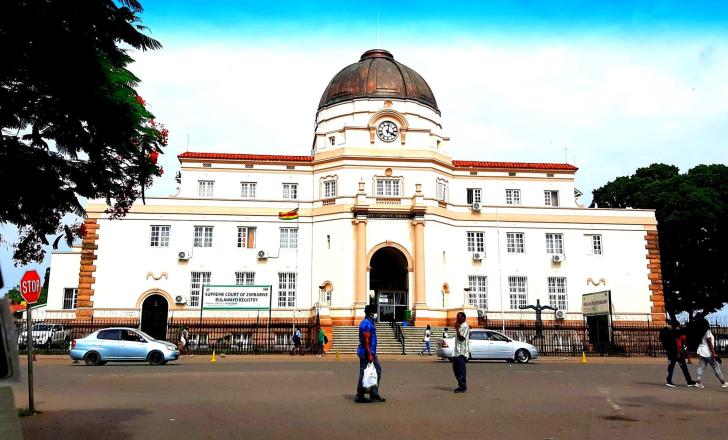
THE Bulawayo High Court has struck off the urgent roll an application by a miner seeking to compel the Provincial Mining Director for Matabeleland South to issue him with a carbon movement permit, ruling that the urgency was self-created by years of inaction.
Rainas Gambaza had approached the court seeking an order compelling the mining director to issue the permit for his operations at Van Roo 3 mining claim, registration number 32656.
Gambaza told the court that he had been given the mining claim by Michael John Van Rooyen several years ago and had remained in peaceful and undisturbed possession of the property.
However, the donation was never formally completed, leaving the mining claim registered in Van Rooyen's name.
Van Rooyen died on February 16, 2022 without transferring the claim to Gambaza.
The deceased's widow subsequently confirmed in an affidavit that the donation had been made, although it had not been formally completed.
According to the judgment, Gambaza continued mining at the claim and, in March this year, instructed his mine manager to apply for a carbon movement permit.
The provincial mining director requested supporting documents, including proof of title, an inspection certificate and approval of the mine manager's appointment.
Although Gambaza supplied the requested documents, the mining director declined to issue the permit, pointing out that the mining claim was still registered in the deceased's name.
The authorities instead advised that they would deal with the executor of Van Rooyen's estate.
Gambaza subsequently approached the High Court on an urgent basis.
The provincial mining director opposed the application, arguing that Gambaza had no legally regularised right to the mining claim and had been aware of the problem for several years.
Justice Nokuthula Moyo upheld the preliminary objection on urgency, finding that Gambaza could not rely on his own failure to regularise the mining claim to obtain preferential treatment from the court.
The judge said Gambaza should have taken steps to formalise the donation after receiving the claim and, in particular, following Van Rooyen's death in 2022.
"The applicant was aware, or ought to have reasonably been aware, of its untenable position and the obligation to regularise the donation so as to regularise their operations," Justice Moyo said.
She noted that Gambaza had remained inactive for about four years.
"The prejudice being complained of now is a direct consequence of applicant's negligence and failure to act so as to comply with the law," the judge ruled.
The court relied on the established principle that litigants cannot manufacture urgency by waiting until the consequences of a longstanding problem materialise before approaching the courts.
Justice Moyo said anyone seeking preferential treatment on the urgent roll must demonstrate that the matter was treated as urgent when the need to act first arose.
"In the present case, the need to regularise the mining operations did not arise upon the refusal of the permit. It arose years earlier when the applicant commenced mining operations without the requisite lawful entitlement papers," she said.
The judge rejected Gambaza's argument that the refusal to issue the carbon movement permit created the urgency.
"I am therefore satisfied that there is no urgency here, it is all self-created through inaction," Justice Moyo said.
"Applicant cannot ignore an obviously untenable state of affairs for years, and then approach this court on the guise of urgency when the predictable consequences of his non-compliance materialise."
Justice Moyo added that Gambaza had failed to establish grounds for jumping ahead of other litigants waiting for their matters to be heard.
The court consequently upheld the preliminary objection, struck the application off the urgent roll and ordered Gambaza to pay the costs.
Gambaza was represented by Job Sibanda and Associates, while the Civil Division of the Attorney-General's Office represented the Provincial Mining Director.
Rainas Gambaza had approached the court seeking an order compelling the mining director to issue the permit for his operations at Van Roo 3 mining claim, registration number 32656.
Gambaza told the court that he had been given the mining claim by Michael John Van Rooyen several years ago and had remained in peaceful and undisturbed possession of the property.
However, the donation was never formally completed, leaving the mining claim registered in Van Rooyen's name.
Van Rooyen died on February 16, 2022 without transferring the claim to Gambaza.
The deceased's widow subsequently confirmed in an affidavit that the donation had been made, although it had not been formally completed.
According to the judgment, Gambaza continued mining at the claim and, in March this year, instructed his mine manager to apply for a carbon movement permit.
The provincial mining director requested supporting documents, including proof of title, an inspection certificate and approval of the mine manager's appointment.
Although Gambaza supplied the requested documents, the mining director declined to issue the permit, pointing out that the mining claim was still registered in the deceased's name.
The authorities instead advised that they would deal with the executor of Van Rooyen's estate.
Gambaza subsequently approached the High Court on an urgent basis.
The provincial mining director opposed the application, arguing that Gambaza had no legally regularised right to the mining claim and had been aware of the problem for several years.
Justice Nokuthula Moyo upheld the preliminary objection on urgency, finding that Gambaza could not rely on his own failure to regularise the mining claim to obtain preferential treatment from the court.
"The applicant was aware, or ought to have reasonably been aware, of its untenable position and the obligation to regularise the donation so as to regularise their operations," Justice Moyo said.
She noted that Gambaza had remained inactive for about four years.
"The prejudice being complained of now is a direct consequence of applicant's negligence and failure to act so as to comply with the law," the judge ruled.
The court relied on the established principle that litigants cannot manufacture urgency by waiting until the consequences of a longstanding problem materialise before approaching the courts.
Justice Moyo said anyone seeking preferential treatment on the urgent roll must demonstrate that the matter was treated as urgent when the need to act first arose.
"In the present case, the need to regularise the mining operations did not arise upon the refusal of the permit. It arose years earlier when the applicant commenced mining operations without the requisite lawful entitlement papers," she said.
The judge rejected Gambaza's argument that the refusal to issue the carbon movement permit created the urgency.
"I am therefore satisfied that there is no urgency here, it is all self-created through inaction," Justice Moyo said.
"Applicant cannot ignore an obviously untenable state of affairs for years, and then approach this court on the guise of urgency when the predictable consequences of his non-compliance materialise."
Justice Moyo added that Gambaza had failed to establish grounds for jumping ahead of other litigants waiting for their matters to be heard.
The court consequently upheld the preliminary objection, struck the application off the urgent roll and ordered Gambaza to pay the costs.
Gambaza was represented by Job Sibanda and Associates, while the Civil Division of the Attorney-General's Office represented the Provincial Mining Director.
Source - Southern Eye
Join the discussion
Loading comments…





