News / National
'Cyclone poses no threat to Zimbabwe'
16 Jan 2026 at 21:48hrs |
0 Views
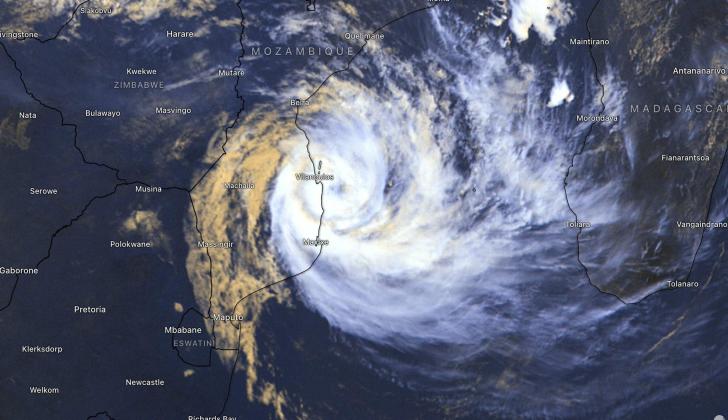
The Meteorological Services Department (MSD) has reassured the public that Cyclone Dudzai, the fifth cyclone of the 2025/26 tropical season, is not expected to affect Zimbabwe.
MSD officials said they are closely monitoring all weather systems and will provide updates to the public as necessary. According to the department, the 2025/26 cyclone season in the South West Indian Ocean is projected to see more than nine cyclones, with four having already occurred.
"In terms of the 2025/26 tropical cyclone season, we have experienced four cyclones in the South West Indian Ocean," said MSD head of forecasting, James Ngoma. "The first was Cyclone Awol, named by Malawi, which dissipated in the Indian Ocean. The second, Blossom, named by Seychelles, also ended in the Indian Ocean. The third cyclone, Chenge, was headed towards Tanzania but never made landfall. The fourth was Tropical Cyclone Grant from Australia, which also faded before reaching Madagascar."
Ngoma explained that Cyclone Dudzai, named by Zimbabwe, is expected to dissipate over the Indian Ocean without impacting Madagascar or any part of mainland Africa. Historically, cyclones typically affect Zimbabwe between February and March, coinciding with the country's heaviest rainfall.
Authorities have urged communities in flood-prone areas to remain vigilant and follow guidance from the Department of Civil Protection. Nathan Nkomo, chief director of the Department of Civil Protection, said that the country's readiness for the rainy season is high but stressed the need for adequate funding to strengthen flood mitigation structures.
"What we need are the funds, especially this time. Our multi-hazard contingency plan addresses residual effects of past disasters, but necessary structures have not been fully attended to. This season's rainfall could be particularly destructive," Nkomo said.
The Government has developed the National Multi-Hazard Contingency Plan to enhance preparedness and coordinate timely responses at national, provincial, district, and village levels. The plan seeks to ensure effective allocation of resources and strengthen collaboration between Government and its partners in responding to emergencies.
As Zimbabwe enters the rainy season, authorities remain committed to safeguarding communities and mitigating the potential impacts of extreme weather.
MSD officials said they are closely monitoring all weather systems and will provide updates to the public as necessary. According to the department, the 2025/26 cyclone season in the South West Indian Ocean is projected to see more than nine cyclones, with four having already occurred.
"In terms of the 2025/26 tropical cyclone season, we have experienced four cyclones in the South West Indian Ocean," said MSD head of forecasting, James Ngoma. "The first was Cyclone Awol, named by Malawi, which dissipated in the Indian Ocean. The second, Blossom, named by Seychelles, also ended in the Indian Ocean. The third cyclone, Chenge, was headed towards Tanzania but never made landfall. The fourth was Tropical Cyclone Grant from Australia, which also faded before reaching Madagascar."
Ngoma explained that Cyclone Dudzai, named by Zimbabwe, is expected to dissipate over the Indian Ocean without impacting Madagascar or any part of mainland Africa. Historically, cyclones typically affect Zimbabwe between February and March, coinciding with the country's heaviest rainfall.
Authorities have urged communities in flood-prone areas to remain vigilant and follow guidance from the Department of Civil Protection. Nathan Nkomo, chief director of the Department of Civil Protection, said that the country's readiness for the rainy season is high but stressed the need for adequate funding to strengthen flood mitigation structures.
"What we need are the funds, especially this time. Our multi-hazard contingency plan addresses residual effects of past disasters, but necessary structures have not been fully attended to. This season's rainfall could be particularly destructive," Nkomo said.
The Government has developed the National Multi-Hazard Contingency Plan to enhance preparedness and coordinate timely responses at national, provincial, district, and village levels. The plan seeks to ensure effective allocation of resources and strengthen collaboration between Government and its partners in responding to emergencies.
As Zimbabwe enters the rainy season, authorities remain committed to safeguarding communities and mitigating the potential impacts of extreme weather.
Source - The Herald
Join the discussion
Loading comments…





