News / National
Mnangagwa reassigns Majome after critical CAB3 report
10 Apr 2026 at 18:28hrs |
0 Views
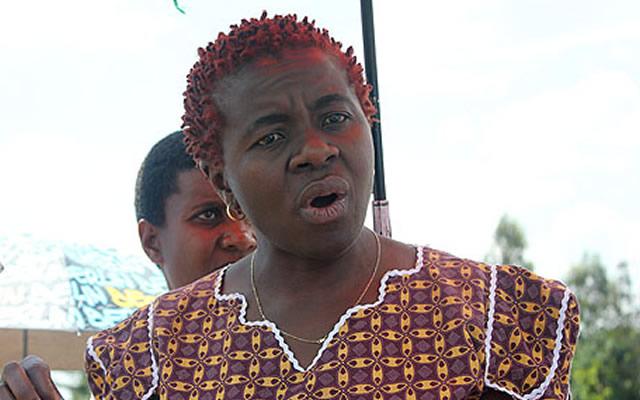
President Emmerson Mnangagwa has reassigned Fungayi Jessie Majome from her position as chairperson of the Zimbabwe Human Rights Commission to a new role as commissioner in the Public Service Commission, in a move that comes shortly after the commission issued a critical report on the Constitutional Amendment Bill No. 3 (CAB3) public hearings.
The reassignment, announced in a government press statement issued by Chief Secretary to the President and Cabinet Dr Misheck Rushwaya, takes immediate effect and is in terms of Section 202 of the Constitution.
Majome's redeployment follows her recent public briefing in which she presented the commission's findings on nationwide consultations around CAB3. While acknowledging strong public turnout and participation, she described the process as falling short of constitutional standards.
Speaking at a press conference in Harare, Majome said the hearings reflected both progress and "serious shortcomings," with the commission deploying monitoring teams between March 30 and April 4 to assess compliance with human rights principles.
She noted that although attendance was high and included a broad cross-section of society, the process was marred by incidents of intimidation and exclusion, particularly targeting those opposed to the proposed amendments.
"Whilst those in support were able to give their views, the Commission noted the harassment and intimidation of dissenting voices," Majome said.
The commission reported cases where participants were allegedly threatened, silenced, denied opportunities to contribute, and in some instances physically attacked. It also cited "controlled participation" at certain venues, including restricted access and vetting of attendees.
Majome highlighted an incident in Mhondoro-Ngezi where individuals allegedly used whips to vet participants, warning that such actions violated constitutional rights including freedom of expression, equality and personal security.
Despite these concerns, the commission acknowledged efforts by the Parliament of Zimbabwe to publicise the hearings and facilitate submissions, noting that many contributors expressed support for the proposed amendments.
CAB3 proposals include extending presidential and parliamentary terms, altering the method of electing the president, transferring management of the voters' roll, and restructuring independent commissions.
The timing of Majome's reassignment has drawn attention, coming immediately after the release of the commission's adverse findings, although authorities have not indicated any direct link between the two developments.
Her move to the Public Service Commission places her within a key institution responsible for overseeing the administration and management of the civil service, marking a significant shift from her previous role at the helm of the country's human rights watchdog.
The reassignment, announced in a government press statement issued by Chief Secretary to the President and Cabinet Dr Misheck Rushwaya, takes immediate effect and is in terms of Section 202 of the Constitution.
Majome's redeployment follows her recent public briefing in which she presented the commission's findings on nationwide consultations around CAB3. While acknowledging strong public turnout and participation, she described the process as falling short of constitutional standards.
Speaking at a press conference in Harare, Majome said the hearings reflected both progress and "serious shortcomings," with the commission deploying monitoring teams between March 30 and April 4 to assess compliance with human rights principles.
She noted that although attendance was high and included a broad cross-section of society, the process was marred by incidents of intimidation and exclusion, particularly targeting those opposed to the proposed amendments.
"Whilst those in support were able to give their views, the Commission noted the harassment and intimidation of dissenting voices," Majome said.
The commission reported cases where participants were allegedly threatened, silenced, denied opportunities to contribute, and in some instances physically attacked. It also cited "controlled participation" at certain venues, including restricted access and vetting of attendees.
Majome highlighted an incident in Mhondoro-Ngezi where individuals allegedly used whips to vet participants, warning that such actions violated constitutional rights including freedom of expression, equality and personal security.
Despite these concerns, the commission acknowledged efforts by the Parliament of Zimbabwe to publicise the hearings and facilitate submissions, noting that many contributors expressed support for the proposed amendments.
CAB3 proposals include extending presidential and parliamentary terms, altering the method of electing the president, transferring management of the voters' roll, and restructuring independent commissions.
The timing of Majome's reassignment has drawn attention, coming immediately after the release of the commission's adverse findings, although authorities have not indicated any direct link between the two developments.
Her move to the Public Service Commission places her within a key institution responsible for overseeing the administration and management of the civil service, marking a significant shift from her previous role at the helm of the country's human rights watchdog.
Source - Byo24News
Join the discussion
Loading comments…





