News / National
Lawyers question constitutionality of Majome reassignment
10 Apr 2026 at 18:41hrs |
0 Views
President Emmerson Mnangagwa's decision to remove Fungayi Jessie Majome from her position as chairperson of the Zimbabwe Human Rights Commission has triggered an escalating legal and constitutional debate, with senior lawyers describing the move as unlawful and procedurally flawed.
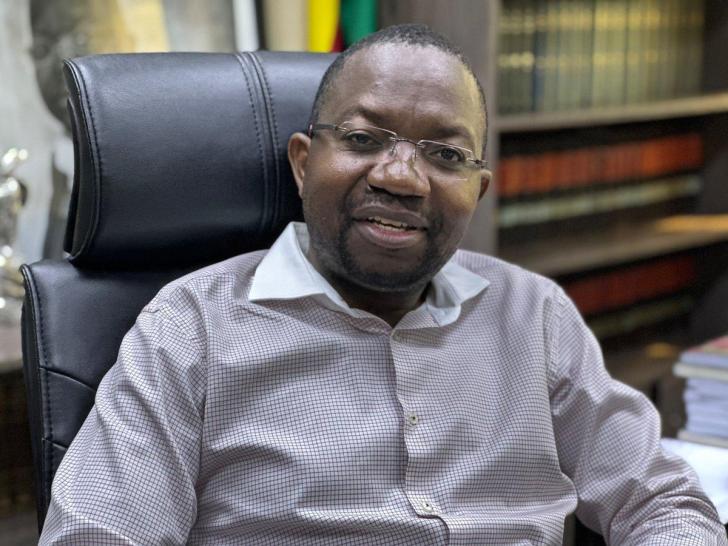
Advocate Thabani Mpofu said the reassignment of Majome to the Public Service Commission amounts to a removal from office that does not comply with the Constitution.
"A member of an Independent Commission… can only be removed under Section 237(2) of the Constitution," Mpofu said, adding that Section 237(3) requires the same procedure used in removing a judge.
He explained that this process includes the appointment of a tribunal, typically on the recommendation of the Judicial Service Commission, and a formal finding of misconduct or incapacity before removal.
"Reassigning Jessie Majome… constitutes removal from office and is unconstitutional," Mpofu argued, dismissing reliance on Section 202 as legally irrelevant to the protections afforded to independent commissioners.
Constitutional lawyer Musa Kika echoed similar concerns, pointing to Section 237(3), which explicitly states that the procedure for removing judges applies to members of independent commissions.
Kika outlined that removal from such bodies is a formal legal process - not a political decision—and must be based on specific grounds, including inability to perform duties, gross incompetence, gross misconduct, or ineligibility.
He said the Constitution requires the President to appoint a tribunal to investigate allegations, with the affected office bearer entitled to a fair hearing before any decision is made.
"The removal process is designed to prevent arbitrary dismissal… mirroring judicial removal procedures to protect the commission's independence," Kika said.
Meanwhile, lawyer and politician Doug Coltart questioned whether due process had been followed, directing his concerns to government spokesperson Nick Mangwana.
"Were the legal requirements for the removal of a member of an Independent Commission complied with by the President? What are the President's grounds for removing her?" Coltart asked.
He also queried whether the decision could be linked to the ZHRC's recent report on the Constitutional Amendment Bill No. 3 (CAB3), which highlighted irregularities during public hearings.
Legal experts warn that failure to follow constitutional procedures in removing members of independent commissions risks undermining their autonomy and eroding public confidence in governance institutions.
The controversy has placed renewed focus on the constitutional safeguards designed to ensure that bodies such as the ZHRC operate independently and without political interference.
Advocate Thabani Mpofu said the reassignment of Majome to the Public Service Commission amounts to a removal from office that does not comply with the Constitution.
"A member of an Independent Commission… can only be removed under Section 237(2) of the Constitution," Mpofu said, adding that Section 237(3) requires the same procedure used in removing a judge.
He explained that this process includes the appointment of a tribunal, typically on the recommendation of the Judicial Service Commission, and a formal finding of misconduct or incapacity before removal.
"Reassigning Jessie Majome… constitutes removal from office and is unconstitutional," Mpofu argued, dismissing reliance on Section 202 as legally irrelevant to the protections afforded to independent commissioners.
Constitutional lawyer Musa Kika echoed similar concerns, pointing to Section 237(3), which explicitly states that the procedure for removing judges applies to members of independent commissions.
Kika outlined that removal from such bodies is a formal legal process - not a political decision—and must be based on specific grounds, including inability to perform duties, gross incompetence, gross misconduct, or ineligibility.
"The removal process is designed to prevent arbitrary dismissal… mirroring judicial removal procedures to protect the commission's independence," Kika said.
Meanwhile, lawyer and politician Doug Coltart questioned whether due process had been followed, directing his concerns to government spokesperson Nick Mangwana.
"Were the legal requirements for the removal of a member of an Independent Commission complied with by the President? What are the President's grounds for removing her?" Coltart asked.
He also queried whether the decision could be linked to the ZHRC's recent report on the Constitutional Amendment Bill No. 3 (CAB3), which highlighted irregularities during public hearings.
Legal experts warn that failure to follow constitutional procedures in removing members of independent commissions risks undermining their autonomy and eroding public confidence in governance institutions.
The controversy has placed renewed focus on the constitutional safeguards designed to ensure that bodies such as the ZHRC operate independently and without political interference.
Source - online
Join the discussion
Loading comments…





