News / National
Iran bars Botswana vessel, allows South Africa tanker through Strait of Hormuz
10 Apr 2026 at 19:27hrs |
2053 Views
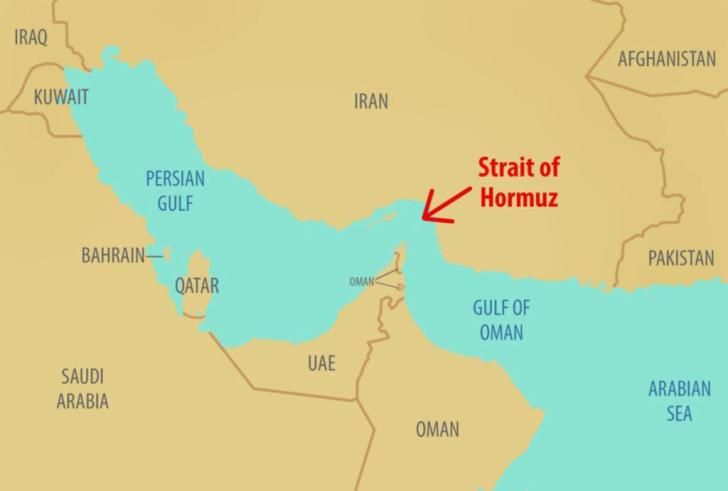
A small number of African-linked vessels have become some of the first non-Iranian ships to cautiously navigate the Strait of Hormuz following a fragile ceasefire between the United States and Iran, amid heavily restricted maritime traffic and continued uncertainty over access to the vital oil route.
Ship-tracking data shows that while limited crossings have resumed, overall movement through the chokepoint remains far below normal levels, with hundreds of vessels still stranded in the wider Gulf region.
Among the early vessels to transit after the ceasefire was the Gabon-flagged oil tanker MSG, which carried about 7,000 tonnes of Emirati fuel oil destined for India, according to maritime tracking data.
A Liberia-flagged tanker, Daytona Beach, also successfully crossed the strait shortly after departing Iran's Bandar Abbas port.
However, not all vessels have been permitted to proceed freely. A Botswana-flagged liquefied natural gas tanker, Nidi, reportedly reversed course after being instructed by Iran's Islamic Revolutionary Guard Corps to follow designated routes, highlighting Tehran's continued operational control over maritime movement in the area.
Iran has required ships to coordinate their passage and adhere to specified corridors, citing ongoing security risks despite the ceasefire.
Data from market intelligence firm Kpler indicates that only around a dozen vessels have crossed since the ceasefire, compared to the usual daily average of more than 100 ships.
Industry monitoring groups report that more than 600 vessels, including over 300 tankers, remain stranded in or near the Gulf, contributing to delays in global supply chains and increased shipping costs.
The constrained flow of oil shipments has prompted diplomatic engagement from energy-importing countries, including several African states.
Iran's ambassador to South Africa, Mansour Shakib Mehr, told a gathering in Cape Town that reports of a complete shutdown of the route were inaccurate, insisting that only vessels linked to the United States and Israel were being restricted.
He added that shipments bound for countries such as China and India had been allowed to continue under specific arrangements, and suggested that similar arrangements could be extended to South Africa.
Reports also suggest that Iranian authorities are considering formalising their control of the waterway through a structured fee system, including proposals for a multimillion-dollar charge per vessel and possible cryptocurrency-based levies on oil shipments.
The developments have raised concern among global shipping operators and energy markets, with analysts warning of prolonged volatility if restrictions persist.
The situation comes amid ongoing diplomatic friction between Washington and Tehran. US President Donald Trump has criticised Iran's handling of maritime access, warning against any attempt to impose additional fees on shipping.
Iranian officials, meanwhile, have accused the United States of failing to uphold ceasefire commitments, underscoring the fragility of the current arrangement.
While limited movement through the Strait of Hormuz has resumed, analysts say the system remains highly controlled and unpredictable, with global energy flows still exposed to sudden disruption.
Ship-tracking data shows that while limited crossings have resumed, overall movement through the chokepoint remains far below normal levels, with hundreds of vessels still stranded in the wider Gulf region.
Among the early vessels to transit after the ceasefire was the Gabon-flagged oil tanker MSG, which carried about 7,000 tonnes of Emirati fuel oil destined for India, according to maritime tracking data.
A Liberia-flagged tanker, Daytona Beach, also successfully crossed the strait shortly after departing Iran's Bandar Abbas port.
However, not all vessels have been permitted to proceed freely. A Botswana-flagged liquefied natural gas tanker, Nidi, reportedly reversed course after being instructed by Iran's Islamic Revolutionary Guard Corps to follow designated routes, highlighting Tehran's continued operational control over maritime movement in the area.
Iran has required ships to coordinate their passage and adhere to specified corridors, citing ongoing security risks despite the ceasefire.
Data from market intelligence firm Kpler indicates that only around a dozen vessels have crossed since the ceasefire, compared to the usual daily average of more than 100 ships.
Industry monitoring groups report that more than 600 vessels, including over 300 tankers, remain stranded in or near the Gulf, contributing to delays in global supply chains and increased shipping costs.
Iran's ambassador to South Africa, Mansour Shakib Mehr, told a gathering in Cape Town that reports of a complete shutdown of the route were inaccurate, insisting that only vessels linked to the United States and Israel were being restricted.
He added that shipments bound for countries such as China and India had been allowed to continue under specific arrangements, and suggested that similar arrangements could be extended to South Africa.
Reports also suggest that Iranian authorities are considering formalising their control of the waterway through a structured fee system, including proposals for a multimillion-dollar charge per vessel and possible cryptocurrency-based levies on oil shipments.
The developments have raised concern among global shipping operators and energy markets, with analysts warning of prolonged volatility if restrictions persist.
The situation comes amid ongoing diplomatic friction between Washington and Tehran. US President Donald Trump has criticised Iran's handling of maritime access, warning against any attempt to impose additional fees on shipping.
Iranian officials, meanwhile, have accused the United States of failing to uphold ceasefire commitments, underscoring the fragility of the current arrangement.
While limited movement through the Strait of Hormuz has resumed, analysts say the system remains highly controlled and unpredictable, with global energy flows still exposed to sudden disruption.
Source - businessinsider
Join the discussion
Loading comments…


