News / National
Mnangagwa 2030 bid in bizarre turn
27 Apr 2026 at 15:26hrs |
0 Views
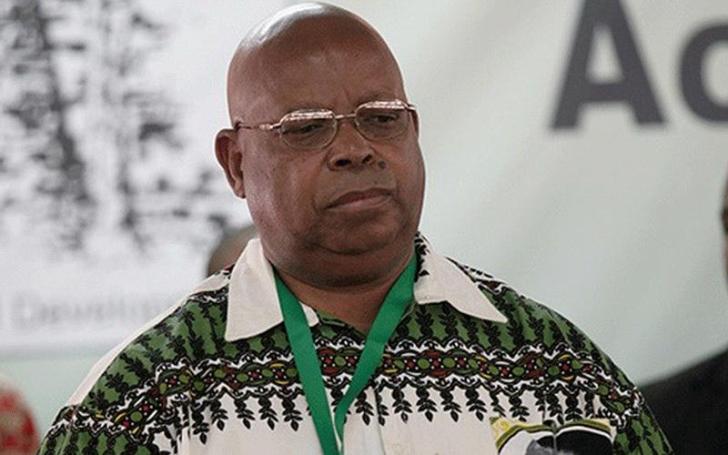
A constitutional battle over President Emmerson Mnangagwa's potential term extension has intensified after Parliament Speaker Jacob Mudenda told the Constitutional Court of Zimbabwe that lawmakers lack the power to halt the controversial process.
In an answering affidavit, Mudenda argued that only the president has the authority to intervene if the proposed Constitutional Amendment Bill No. 3 is deemed unconstitutional.
He said the president, as head of the executive, can refer the bill back to Parliament or the Constitutional Court if concerns arise — effectively placing responsibility for constitutional compliance on the same office that stands to benefit from the changes.
The position has drawn criticism from legal observers, who say it raises serious questions about Parliament's independence and its constitutional duty to scrutinise legislation.
The case was brought by former Citizens Coalition for Change legislator Prince Dubeko-Sibanda, who is seeking to block the amendment process.
Sibanda argues that key provisions in the bill — particularly Clauses 4 and 9 — violate Section 328(7) of the constitution, which prohibits incumbents from benefiting from changes to presidential term limits.
He maintains that Parliament is already acting unlawfully by processing a bill that, in his view, undermines entrenched constitutional safeguards.
In his response, Sibanda accused Mudenda and Parliament of effectively surrendering their constitutional responsibilities to the executive.
"This stance demonstrates beyond any doubt that the Speaker has failed to fulfil constitutional obligations," Sibanda said in court papers.
He argued that the judiciary must intervene immediately, warning that the "harm to the constitution" is already occurring through ongoing legislative processes and public consultations.
Mudenda has also argued that Justice Minister Ziyambi Ziyambi should have been cited as the respondent in the case.
However, Sibanda insists the Speaker is directly responsible for overseeing what he describes as an "illegal" legislative process, making him the appropriate party to challenge.
The legal showdown comes amid growing political friction within Zanu-PF over the so-called "ED 2030" campaign, which seeks to extend Mnangagwa's rule beyond the current constitutional limit.
While the ruling party has publicly maintained unity, reports suggest internal divisions are widening over succession and the potential consequences of altering term limits.
The case now before the Constitutional Court is expected to test the limits of legislative authority, judicial oversight and executive power in Zimbabwe.
At its core is a fundamental question: whether Parliament can lawfully amend the constitution in a way that benefits an incumbent president — or whether such an attempt violates the country's constitutional order.
The court's ruling could have far-reaching implications for Zimbabwe's governance framework and the balance of power between its key state institutions.
In an answering affidavit, Mudenda argued that only the president has the authority to intervene if the proposed Constitutional Amendment Bill No. 3 is deemed unconstitutional.
He said the president, as head of the executive, can refer the bill back to Parliament or the Constitutional Court if concerns arise — effectively placing responsibility for constitutional compliance on the same office that stands to benefit from the changes.
The position has drawn criticism from legal observers, who say it raises serious questions about Parliament's independence and its constitutional duty to scrutinise legislation.
The case was brought by former Citizens Coalition for Change legislator Prince Dubeko-Sibanda, who is seeking to block the amendment process.
Sibanda argues that key provisions in the bill — particularly Clauses 4 and 9 — violate Section 328(7) of the constitution, which prohibits incumbents from benefiting from changes to presidential term limits.
He maintains that Parliament is already acting unlawfully by processing a bill that, in his view, undermines entrenched constitutional safeguards.
In his response, Sibanda accused Mudenda and Parliament of effectively surrendering their constitutional responsibilities to the executive.
He argued that the judiciary must intervene immediately, warning that the "harm to the constitution" is already occurring through ongoing legislative processes and public consultations.
Mudenda has also argued that Justice Minister Ziyambi Ziyambi should have been cited as the respondent in the case.
However, Sibanda insists the Speaker is directly responsible for overseeing what he describes as an "illegal" legislative process, making him the appropriate party to challenge.
The legal showdown comes amid growing political friction within Zanu-PF over the so-called "ED 2030" campaign, which seeks to extend Mnangagwa's rule beyond the current constitutional limit.
While the ruling party has publicly maintained unity, reports suggest internal divisions are widening over succession and the potential consequences of altering term limits.
The case now before the Constitutional Court is expected to test the limits of legislative authority, judicial oversight and executive power in Zimbabwe.
At its core is a fundamental question: whether Parliament can lawfully amend the constitution in a way that benefits an incumbent president — or whether such an attempt violates the country's constitutional order.
The court's ruling could have far-reaching implications for Zimbabwe's governance framework and the balance of power between its key state institutions.
Source - The Standard
Join the discussion
Loading comments…





