News / National
Zimbabwe's elephant population nears 100,000
11 Jun 2026 at 13:40hrs |
0 Views
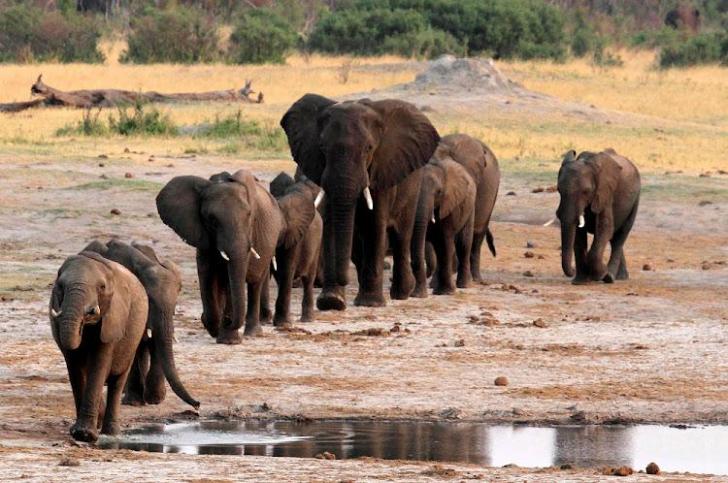
Zimbabwe's elephant population has grown to more than 85,000 animals, almost double the country's estimated ecological carrying capacity, raising concerns among conservationists about the long-term impact on ecosystems already under pressure from climate change, habitat degradation and increasing competition for natural resources.
The figures were revealed by Never Muboko, Director of Scientific Services at the Zimbabwe Parks and Wildlife Management Authority, during the launch of a new conservation strategy and responsible mining initiative by World Wide Fund for Nature Zimbabwe in Harare.
According to Prof Muboko, Zimbabwe's elephant population has expanded dramatically over the past four decades, reflecting the success of conservation and anti-poaching efforts.
"In the 1980s, Zimbabwe had less than 20,000 elephants. Today, we have over 85,000 elephants, and, depending on the season, the figure can approach 100,000," he said.
While the growth is widely regarded as a conservation achievement, experts warn that the increasing elephant population presents significant ecological challenges.
Zimbabwe's estimated carrying capacity is about 45,000 elephants, meaning the current population exceeds what many ecosystems can sustainably support.
"The carrying capacity for Zimbabwe is 45,000 elephants, but now we have 85,000. This means we have exceeded the carrying capacity and must begin addressing the implications of this growth," Prof Muboko said.
Elephants play a vital role in shaping ecosystems and are often referred to as ecosystem engineers because of their ability to modify landscapes through feeding and movement patterns. However, when populations become too large, they can cause extensive damage to woodlands, alter vegetation structures, reduce biodiversity and place heavy pressure on water resources, particularly during drought periods.
The warning comes as conservation authorities grapple with multiple environmental challenges, including climate change, biodiversity loss and increasing human encroachment into wildlife habitats.
Prof Muboko identified illegal mining as one of the most pressing emerging threats facing protected areas.
"We are now experiencing increasing illegal mining activities even within protected areas. These challenges require collective action from all stakeholders," he said.
He noted that WWF Zimbabwe's newly launched strategy comes at a critical time when conservation organisations and government agencies are seeking sustainable approaches that balance wildlife protection, ecosystem preservation and economic development.
Prof Muboko also highlighted the long-standing partnership between ZimParks and WWF Zimbabwe, which dates back to the mid-1980s and has supported numerous conservation initiatives across the country.
Among the recent projects is conservation work in the Sinamatella area of the Hwange landscape, an ecologically significant region that supports elephants, buffalo, vultures and many other species within the broader Kavango-Zambezi Transfrontier Conservation Area.
As elephant numbers continue to rise, wildlife managers face increasingly complex decisions on how to maintain one of Africa's largest elephant populations while safeguarding the ecosystems that sustain both wildlife and local communities.
"We believe people and nature can coexist. Together, through strategic partnerships, we can achieve greater impact for wildlife, ecosystems, and communities," Prof Muboko said.
The figures were revealed by Never Muboko, Director of Scientific Services at the Zimbabwe Parks and Wildlife Management Authority, during the launch of a new conservation strategy and responsible mining initiative by World Wide Fund for Nature Zimbabwe in Harare.
According to Prof Muboko, Zimbabwe's elephant population has expanded dramatically over the past four decades, reflecting the success of conservation and anti-poaching efforts.
"In the 1980s, Zimbabwe had less than 20,000 elephants. Today, we have over 85,000 elephants, and, depending on the season, the figure can approach 100,000," he said.
While the growth is widely regarded as a conservation achievement, experts warn that the increasing elephant population presents significant ecological challenges.
Zimbabwe's estimated carrying capacity is about 45,000 elephants, meaning the current population exceeds what many ecosystems can sustainably support.
"The carrying capacity for Zimbabwe is 45,000 elephants, but now we have 85,000. This means we have exceeded the carrying capacity and must begin addressing the implications of this growth," Prof Muboko said.
Elephants play a vital role in shaping ecosystems and are often referred to as ecosystem engineers because of their ability to modify landscapes through feeding and movement patterns. However, when populations become too large, they can cause extensive damage to woodlands, alter vegetation structures, reduce biodiversity and place heavy pressure on water resources, particularly during drought periods.
Prof Muboko identified illegal mining as one of the most pressing emerging threats facing protected areas.
"We are now experiencing increasing illegal mining activities even within protected areas. These challenges require collective action from all stakeholders," he said.
He noted that WWF Zimbabwe's newly launched strategy comes at a critical time when conservation organisations and government agencies are seeking sustainable approaches that balance wildlife protection, ecosystem preservation and economic development.
Prof Muboko also highlighted the long-standing partnership between ZimParks and WWF Zimbabwe, which dates back to the mid-1980s and has supported numerous conservation initiatives across the country.
Among the recent projects is conservation work in the Sinamatella area of the Hwange landscape, an ecologically significant region that supports elephants, buffalo, vultures and many other species within the broader Kavango-Zambezi Transfrontier Conservation Area.
As elephant numbers continue to rise, wildlife managers face increasingly complex decisions on how to maintain one of Africa's largest elephant populations while safeguarding the ecosystems that sustain both wildlife and local communities.
"We believe people and nature can coexist. Together, through strategic partnerships, we can achieve greater impact for wildlife, ecosystems, and communities," Prof Muboko said.
Source - ZiFM Stereo
Join the discussion
Loading comments…


