News / National
Bulawayo City to hire more health workers
15 Jun 2026 at 18:48hrs |
0 Views
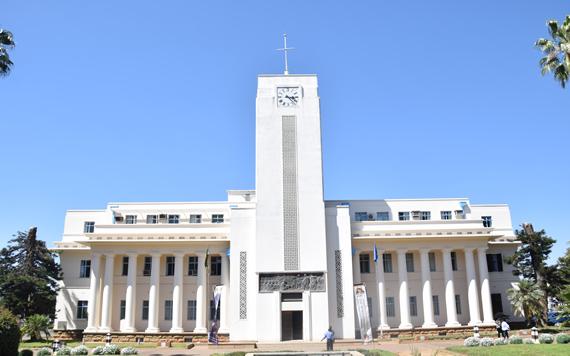
BULAWAYO City Council has approved plans to significantly expand its community health worker (CHW) programme, increasing the establishment from 219 to 318 workers as the local authority seeks to strengthen primary healthcare services and improve coverage in the city's growing suburbs.
The decision follows recommendations from the city's Health Services Department, which argued that the current workforce is no longer adequate to meet the demands of Bulawayo's expanding population and geographical footprint.
The proposal, presented by Health Services Director Edwin Mzingwane Sibanda on May 8, was informed by a revised human capital work study that highlighted mounting pressure on the city's health outreach system following the commissioning of new clinics in Emganwini and Mahatshula in 2023.
According to council officials, the existing CHW structure, which was established in 2020, has become increasingly strained as workers are now required to serve larger and more dispersed communities.
The study found that long travel distances between households and service points were negatively affecting efficiency and limiting the effectiveness of community-based health interventions.
"The expansion is necessary to ensure effective coverage of all communities, especially new settlements," Sibanda said.
He noted that increasing the number of community health workers would strengthen outreach programmes, improve vaccination coverage, enhance maternal and child health services, and boost early disease detection and surveillance.
Community health workers play a critical role in Zimbabwe's healthcare system, serving as the first point of contact between health institutions and households.
Their responsibilities include conducting health awareness campaigns, supporting immunisation programmes, promoting maternal and child health, monitoring treatment adherence for tuberculosis and HIV patients, and assisting with disease surveillance.
Their importance became particularly evident during the Covid-19 pandemic and subsequent cholera outbreaks, when they played a central role in community mobilisation, contact tracing, health education and the distribution of oral rehydration solutions.
Despite broad support for the proposal, some councillors raised concerns about the financial implications of expanding the workforce.
Councillor Khalazani Ndlovu questioned whether council possessed the resources required to sustain the enlarged establishment, pointing out that some existing community health workers were already experiencing delays and inconsistencies in receiving their stipends.
"There is a risk that we are expanding numbers without first stabilising payments to those already on the ground," she warned.
In response, health officials explained that community health workers are expected to receive stipends equivalent to a Grade One salary while working three days per week.
The department also noted that there may be opportunities to supplement funding through partnerships with development agencies and international donors, similar to arrangements used elsewhere in the country.
Officials pointed to models supported by organisations such as the Global Fund, which have helped finance community-based health programmes and incentives in other jurisdictions.
After deliberations, councillors resolved to endorse the expansion, citing the growing demand for healthcare services and the need to align staffing levels with the city's changing demographics.
The move comes against the backdrop of broader national efforts to strengthen community-based healthcare systems.
In 2024, Government introduced a national Community Health Worker Policy Framework aimed at harmonising incentives, standardising conditions of service and improving coordination across the country.
However, implementation has been slow due to fiscal constraints and funding challenges.
Community health workers have long called for standardised remuneration nationwide, arguing that significant disparities exist between urban and rural local authorities.
The inconsistent payment structures have occasionally resulted in work stoppages and disruptions to community health services.
While some municipalities have successfully partnered with organisations such as the United Nations Children's Fund and the World Health Organization to supplement stipends and support programmes, others continue to rely solely on local authority budgets.
Health experts say Bulawayo's decision to expand its community health worker programme reflects growing recognition of the vital role frontline community-based healthcare plays in disease prevention, public health education and improving access to healthcare services, particularly in rapidly growing urban communities.
If fully implemented, the expanded workforce is expected to strengthen the city's ability to respond to public health challenges while improving access to essential healthcare services for thousands of residents.
The decision follows recommendations from the city's Health Services Department, which argued that the current workforce is no longer adequate to meet the demands of Bulawayo's expanding population and geographical footprint.
The proposal, presented by Health Services Director Edwin Mzingwane Sibanda on May 8, was informed by a revised human capital work study that highlighted mounting pressure on the city's health outreach system following the commissioning of new clinics in Emganwini and Mahatshula in 2023.
According to council officials, the existing CHW structure, which was established in 2020, has become increasingly strained as workers are now required to serve larger and more dispersed communities.
The study found that long travel distances between households and service points were negatively affecting efficiency and limiting the effectiveness of community-based health interventions.
"The expansion is necessary to ensure effective coverage of all communities, especially new settlements," Sibanda said.
He noted that increasing the number of community health workers would strengthen outreach programmes, improve vaccination coverage, enhance maternal and child health services, and boost early disease detection and surveillance.
Community health workers play a critical role in Zimbabwe's healthcare system, serving as the first point of contact between health institutions and households.
Their responsibilities include conducting health awareness campaigns, supporting immunisation programmes, promoting maternal and child health, monitoring treatment adherence for tuberculosis and HIV patients, and assisting with disease surveillance.
Their importance became particularly evident during the Covid-19 pandemic and subsequent cholera outbreaks, when they played a central role in community mobilisation, contact tracing, health education and the distribution of oral rehydration solutions.
Despite broad support for the proposal, some councillors raised concerns about the financial implications of expanding the workforce.
Councillor Khalazani Ndlovu questioned whether council possessed the resources required to sustain the enlarged establishment, pointing out that some existing community health workers were already experiencing delays and inconsistencies in receiving their stipends.
In response, health officials explained that community health workers are expected to receive stipends equivalent to a Grade One salary while working three days per week.
The department also noted that there may be opportunities to supplement funding through partnerships with development agencies and international donors, similar to arrangements used elsewhere in the country.
Officials pointed to models supported by organisations such as the Global Fund, which have helped finance community-based health programmes and incentives in other jurisdictions.
After deliberations, councillors resolved to endorse the expansion, citing the growing demand for healthcare services and the need to align staffing levels with the city's changing demographics.
The move comes against the backdrop of broader national efforts to strengthen community-based healthcare systems.
In 2024, Government introduced a national Community Health Worker Policy Framework aimed at harmonising incentives, standardising conditions of service and improving coordination across the country.
However, implementation has been slow due to fiscal constraints and funding challenges.
Community health workers have long called for standardised remuneration nationwide, arguing that significant disparities exist between urban and rural local authorities.
The inconsistent payment structures have occasionally resulted in work stoppages and disruptions to community health services.
While some municipalities have successfully partnered with organisations such as the United Nations Children's Fund and the World Health Organization to supplement stipends and support programmes, others continue to rely solely on local authority budgets.
Health experts say Bulawayo's decision to expand its community health worker programme reflects growing recognition of the vital role frontline community-based healthcare plays in disease prevention, public health education and improving access to healthcare services, particularly in rapidly growing urban communities.
If fully implemented, the expanded workforce is expected to strengthen the city's ability to respond to public health challenges while improving access to essential healthcare services for thousands of residents.
Source - Southern Eye
Join the discussion
Loading comments…




