News / National
Tshabangu's bid to reinvent himself
26 Jun 2026 at 11:42hrs |
0 Views
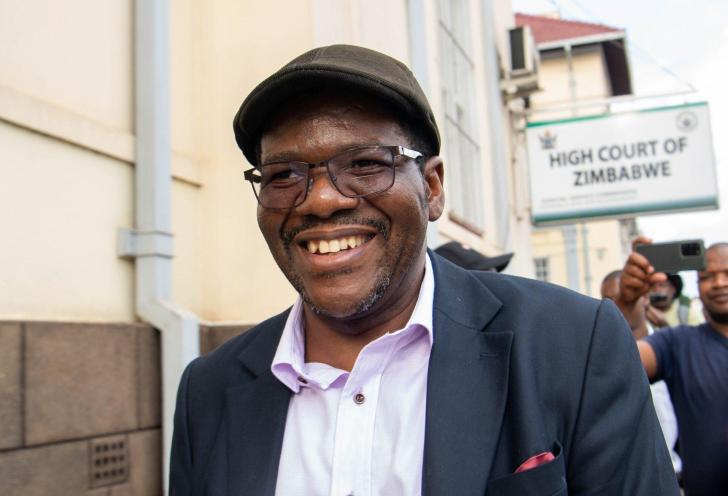
In the wood-panelled quiet of the Senate chamber this week, Sengezo Tshabangu attempted what may prove to be the most ambitious political reinvention of his career.
The self-proclaimed interim secretary-general of the Citizens Coalition for Change (CCC), whose recalls fundamentally reshaped Zimbabwe's opposition landscape after the 2023 elections, sought to recast himself not as the architect of opposition fragmentation but as a statesman championing national healing and unity.
Addressing the Senate during debate on Constitution Amendment No. 3 (CAB3), Tshabangu repeatedly invoked the legacy of the late Vice-President Joshua Nkomo and the spirit of the 1987 Unity Accord, urging lawmakers to embrace constitutional reform through the lens of nation-building rather than partisan politics.
"I rise today not merely to debate the text before us, but the spirit of a moment that changed our nation forever," Tshabangu told senators.
He argued that Zimbabwe should emulate what he described as Nkomo's willingness to place the country's future above political grievances.
"There is more to nation-building than power... than political score settling," he said.
For many observers, however, those remarks carried an unmistakable irony.
Tshabangu's rise to political prominence over the past two years has largely been defined by the recall of dozens of CCC legislators and councillors—a process that plunged the opposition into prolonged instability, triggered expensive by-elections and fundamentally altered Zimbabwe's parliamentary balance.
It is against that backdrop that his appeal for reconciliation has generated both curiosity and scepticism.
The centrepiece of Tshabangu's Senate address was his call for Parliament to legislate a permanent framework to address the legacy of the Gukurahundi atrocities.
He argued that constitutional reform should be accompanied by a law requiring the State to complete the process of truth-telling, justice, reconciliation and compensation.
"Grievances cannot expire," Tshabangu said.
"The people of Matabeleland to date are still yearning and still in despair."
He proposed that Parliament enact legislation within 12 months to deal comprehensively with the atrocities committed between 1983 and 1987, arguing that many victims still feel excluded from the national project.
Without meaningful justice, he said, many continue to feel like "foreigners in our own land."
His speech also ventured into broader constitutional reform.
Tshabangu advocated what he described as the "Mandela model," proposing that future presidents be elected by Parliament rather than through direct national elections.
According to Tshabangu, such a system could enable capable leaders from smaller communities—including Tonga, Kalanga and Venda—to ascend to the presidency through national consensus rather than numerical ethnic majorities.
He also called for an end to mid-term parliamentary by-elections.
Arguing that by-elections have become costly, divisive and prone to political violence, Tshabangu proposed that political parties simply nominate replacement legislators whenever vacancies arise, similar to arrangements that existed during the Government of National Unity established under the 2008 Global Political Agreement.
The proposal attracted particular attention because Tshabangu himself rose to national prominence by initiating recalls that resulted in numerous by-elections.
He now argues that such elections waste scarce public resources that could instead be directed toward health care, education and infrastructure.
Beyond the constitutional proposals themselves, the speech appeared carefully calibrated to reposition Tshabangu politically.
Having become one of the most polarising figures in Zimbabwean politics, he now appears intent on projecting himself as a national conciliator rather than simply a parliamentary tactician.
Whether that repositioning succeeds remains uncertain.
To supporters, his emphasis on Gukurahundi, national unity and institutional reform reflects an attempt to broaden constitutional debate beyond partisan interests.
To critics, however, the invocation of Joshua Nkomo's legacy sits uneasily alongside Tshabangu's role in weakening the opposition through recalls that many viewed as benefiting the ruling party.
His support also proved decisive in securing the parliamentary numbers required for CAB3 to progress.
The constitutional amendment, which extends the current terms of office of the President, Members of Parliament and local authority councillors by two years while introducing several other constitutional changes, passed the Senate with overwhelming support after also clearing the National Assembly.
As the Bill moves closer to presidential assent, Tshabangu's political transformation will likely face continued scrutiny.
Whether history ultimately remembers him as a consensus-builder, a constitutional reformer or a politician whose actions reshaped Zimbabwe's opposition in favour of the governing party remains a matter for public and historical judgment.
The self-proclaimed interim secretary-general of the Citizens Coalition for Change (CCC), whose recalls fundamentally reshaped Zimbabwe's opposition landscape after the 2023 elections, sought to recast himself not as the architect of opposition fragmentation but as a statesman championing national healing and unity.
Addressing the Senate during debate on Constitution Amendment No. 3 (CAB3), Tshabangu repeatedly invoked the legacy of the late Vice-President Joshua Nkomo and the spirit of the 1987 Unity Accord, urging lawmakers to embrace constitutional reform through the lens of nation-building rather than partisan politics.
"I rise today not merely to debate the text before us, but the spirit of a moment that changed our nation forever," Tshabangu told senators.
He argued that Zimbabwe should emulate what he described as Nkomo's willingness to place the country's future above political grievances.
"There is more to nation-building than power... than political score settling," he said.
For many observers, however, those remarks carried an unmistakable irony.
Tshabangu's rise to political prominence over the past two years has largely been defined by the recall of dozens of CCC legislators and councillors—a process that plunged the opposition into prolonged instability, triggered expensive by-elections and fundamentally altered Zimbabwe's parliamentary balance.
It is against that backdrop that his appeal for reconciliation has generated both curiosity and scepticism.
The centrepiece of Tshabangu's Senate address was his call for Parliament to legislate a permanent framework to address the legacy of the Gukurahundi atrocities.
He argued that constitutional reform should be accompanied by a law requiring the State to complete the process of truth-telling, justice, reconciliation and compensation.
"Grievances cannot expire," Tshabangu said.
"The people of Matabeleland to date are still yearning and still in despair."
He proposed that Parliament enact legislation within 12 months to deal comprehensively with the atrocities committed between 1983 and 1987, arguing that many victims still feel excluded from the national project.
Without meaningful justice, he said, many continue to feel like "foreigners in our own land."
His speech also ventured into broader constitutional reform.
Tshabangu advocated what he described as the "Mandela model," proposing that future presidents be elected by Parliament rather than through direct national elections.
According to Tshabangu, such a system could enable capable leaders from smaller communities—including Tonga, Kalanga and Venda—to ascend to the presidency through national consensus rather than numerical ethnic majorities.
He also called for an end to mid-term parliamentary by-elections.
Arguing that by-elections have become costly, divisive and prone to political violence, Tshabangu proposed that political parties simply nominate replacement legislators whenever vacancies arise, similar to arrangements that existed during the Government of National Unity established under the 2008 Global Political Agreement.
The proposal attracted particular attention because Tshabangu himself rose to national prominence by initiating recalls that resulted in numerous by-elections.
He now argues that such elections waste scarce public resources that could instead be directed toward health care, education and infrastructure.
Beyond the constitutional proposals themselves, the speech appeared carefully calibrated to reposition Tshabangu politically.
Having become one of the most polarising figures in Zimbabwean politics, he now appears intent on projecting himself as a national conciliator rather than simply a parliamentary tactician.
Whether that repositioning succeeds remains uncertain.
To supporters, his emphasis on Gukurahundi, national unity and institutional reform reflects an attempt to broaden constitutional debate beyond partisan interests.
To critics, however, the invocation of Joshua Nkomo's legacy sits uneasily alongside Tshabangu's role in weakening the opposition through recalls that many viewed as benefiting the ruling party.
His support also proved decisive in securing the parliamentary numbers required for CAB3 to progress.
The constitutional amendment, which extends the current terms of office of the President, Members of Parliament and local authority councillors by two years while introducing several other constitutional changes, passed the Senate with overwhelming support after also clearing the National Assembly.
As the Bill moves closer to presidential assent, Tshabangu's political transformation will likely face continued scrutiny.
Whether history ultimately remembers him as a consensus-builder, a constitutional reformer or a politician whose actions reshaped Zimbabwe's opposition in favour of the governing party remains a matter for public and historical judgment.
Source - Southern Eye
Join the discussion
Loading comments…


