News / National
War vets issue 72-hour CAB 3 ultimatum
26 Jun 2026 at 11:46hrs |
0 Views
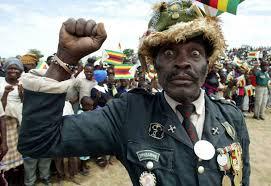
Six liberation war veterans have issued Parliament with a 72-hour ultimatum to halt the Constitution of Zimbabwe Amendment Bill No. 3 (CAB3), accusing the leadership of the National Assembly and Senate of violating the Constitution, disregarding pending court proceedings and presiding over a legislative process allegedly tainted by corruption.
The demand follows the Bill's passage through both Houses of Parliament. The Senate approved the constitutional amendment on Wednesday by 75 votes to four, a week after it secured the required two-thirds majority in the National Assembly with 216 votes in favour and 42 against.
The Bill now awaits presidential assent after the National Assembly considered amendments made by the Senate.
In an open letter addressed to Speaker of the National Assembly Jacob Mudenda and Senate President Mabel Chinomona, the veterans demanded the immediate suspension of all proceedings relating to the Bill and its withdrawal from further consideration.
The signatories are Reuben Zulu, Godfrey Gurira, Shoorai Nyamangodo, Joseph Chinyangare, Dogmore Knowledge Ndiya and Joseph Chinguwa.
They argued that the proposed constitutional amendments were "fundamentally flawed, substantively unconstitutional and procedurally fraudulent."
The latest intervention comes months after the same group approached the Constitutional Court seeking to stop the amendment process.
In that application, they argued that President Emmerson Mnangagwa acted unlawfully by chairing the Cabinet meeting that approved constitutional amendments from which he allegedly stood to benefit.
The Constitutional Court subsequently referred the matter to a lower court after declining to determine it.
In their latest challenge, the veterans accuse Parliament itself of failing to uphold constitutional safeguards.
"The passage of CAB3 through Parliament, as overseen by your offices, represents a grave assault on the supreme law of Zimbabwe," they wrote.
"It is our considered view, supported by legal and factual opinions we have sought, that the process has been fundamentally flawed, substantively unconstitutional and procedurally fraudulent."
Central to their argument is Section 328 of the Constitution, which limits amendments that would allow incumbents to benefit from extensions of their terms of office without the approval of voters through a referendum.
Citing the Constitutional Court judgment in *Sibanda v Parliament of Zimbabwe*, the veterans argued that Parliament could not lawfully bypass those constitutional protections.
"The substantive effect of section 328(7) is simple and non-negotiable: the incumbent cannot benefit from a term-limit extension," they wrote.
"The court was clear that it matters not how you word it; if the substantive result is to allow the incumbent to benefit, a national referendum is constitutionally required."
They argued that CAB3 attempts to circumvent those constitutional restrictions by effectively overriding Section 328 without seeking direct approval from the electorate.
The veterans also raised allegations of corruption surrounding the passage of the Bill.
Referring to media reports and public allegations that legislators received vehicles and cash linked to support for CAB3, they argued that such inducements could constitute breaches of parliamentary ethics and criminal law.
"There is public evidence that Members of Parliament have been induced, rewarded or corrupted by vehicles and money linked to support for CAB3," the letter states.
"The law prohibits the conversion of a constitutional vote to a marketplace of private reward."
In one of the letter's strongest passages, the veterans argued that votes allegedly secured through inducements could not be regarded as constitutionally valid.
"A vote bought by cash and keys is not a constitutional vote; it is an exhibit in a criminal inquiry," they wrote.
The former liberation fighters further accused Parliament of failing to investigate allegations of bribery despite having mechanisms available under its Standing Orders.
"Parliament, therefore, had the machinery to stop the rot," they wrote.
"It instead allowed the vote to proceed, as if a constitutional amendment can be washed clean by pretending not to smell the sewage."
The veterans also criticised Parliament for allowing legislators to vote while court applications challenging the proposed extension of parliamentary terms remained pending.
"As presiding officers, you have allowed 210 Members of Parliament to vote on CAB3 while they were actively ignoring lawsuits served upon them by voters from their own constituencies," the letter states.
They argued that such conduct demonstrated disregard for the rule of law and the authority of the courts.
Among their demands are the suspension of all CAB3 proceedings, the nullification of the National Assembly vote, the halting of further Senate processes, the establishment of a parliamentary privileges inquiry and the compulsory disclosure by legislators of any benefits allegedly received in connection with the Bill.
They also called for allegations of bribery and inducements to be referred to the Zimbabwe Anti-Corruption Commission and the Prosecutor-General for investigation.
The veterans gave Mudenda and Chinomona 72 hours to respond.
"We call upon you, in your capacities as presiding officers, to act immediately and decisively," they wrote.
In closing, they appealed directly to President Mnangagwa's liberation war legacy.
"President Emmerson Mnangagwa, as a fellow comrade, understands better than most the sacrifices that secured Zimbabwe's independence," the veterans wrote.
"It would, therefore, be a profound irony if actions taken in his name were to weaken the very Constitution that embodies the aspirations and sacrifices of that struggle.
"Such conduct would not enhance his legacy; it would cast a lasting shadow over it."
Parliament had not publicly responded to the veterans' ultimatum at the time of publication.
The demand follows the Bill's passage through both Houses of Parliament. The Senate approved the constitutional amendment on Wednesday by 75 votes to four, a week after it secured the required two-thirds majority in the National Assembly with 216 votes in favour and 42 against.
The Bill now awaits presidential assent after the National Assembly considered amendments made by the Senate.
In an open letter addressed to Speaker of the National Assembly Jacob Mudenda and Senate President Mabel Chinomona, the veterans demanded the immediate suspension of all proceedings relating to the Bill and its withdrawal from further consideration.
The signatories are Reuben Zulu, Godfrey Gurira, Shoorai Nyamangodo, Joseph Chinyangare, Dogmore Knowledge Ndiya and Joseph Chinguwa.
They argued that the proposed constitutional amendments were "fundamentally flawed, substantively unconstitutional and procedurally fraudulent."
The latest intervention comes months after the same group approached the Constitutional Court seeking to stop the amendment process.
In that application, they argued that President Emmerson Mnangagwa acted unlawfully by chairing the Cabinet meeting that approved constitutional amendments from which he allegedly stood to benefit.
The Constitutional Court subsequently referred the matter to a lower court after declining to determine it.
In their latest challenge, the veterans accuse Parliament itself of failing to uphold constitutional safeguards.
"The passage of CAB3 through Parliament, as overseen by your offices, represents a grave assault on the supreme law of Zimbabwe," they wrote.
"It is our considered view, supported by legal and factual opinions we have sought, that the process has been fundamentally flawed, substantively unconstitutional and procedurally fraudulent."
Central to their argument is Section 328 of the Constitution, which limits amendments that would allow incumbents to benefit from extensions of their terms of office without the approval of voters through a referendum.
Citing the Constitutional Court judgment in *Sibanda v Parliament of Zimbabwe*, the veterans argued that Parliament could not lawfully bypass those constitutional protections.
"The substantive effect of section 328(7) is simple and non-negotiable: the incumbent cannot benefit from a term-limit extension," they wrote.
"The court was clear that it matters not how you word it; if the substantive result is to allow the incumbent to benefit, a national referendum is constitutionally required."
They argued that CAB3 attempts to circumvent those constitutional restrictions by effectively overriding Section 328 without seeking direct approval from the electorate.
The veterans also raised allegations of corruption surrounding the passage of the Bill.
Referring to media reports and public allegations that legislators received vehicles and cash linked to support for CAB3, they argued that such inducements could constitute breaches of parliamentary ethics and criminal law.
"The law prohibits the conversion of a constitutional vote to a marketplace of private reward."
In one of the letter's strongest passages, the veterans argued that votes allegedly secured through inducements could not be regarded as constitutionally valid.
"A vote bought by cash and keys is not a constitutional vote; it is an exhibit in a criminal inquiry," they wrote.
The former liberation fighters further accused Parliament of failing to investigate allegations of bribery despite having mechanisms available under its Standing Orders.
"Parliament, therefore, had the machinery to stop the rot," they wrote.
"It instead allowed the vote to proceed, as if a constitutional amendment can be washed clean by pretending not to smell the sewage."
The veterans also criticised Parliament for allowing legislators to vote while court applications challenging the proposed extension of parliamentary terms remained pending.
"As presiding officers, you have allowed 210 Members of Parliament to vote on CAB3 while they were actively ignoring lawsuits served upon them by voters from their own constituencies," the letter states.
They argued that such conduct demonstrated disregard for the rule of law and the authority of the courts.
Among their demands are the suspension of all CAB3 proceedings, the nullification of the National Assembly vote, the halting of further Senate processes, the establishment of a parliamentary privileges inquiry and the compulsory disclosure by legislators of any benefits allegedly received in connection with the Bill.
They also called for allegations of bribery and inducements to be referred to the Zimbabwe Anti-Corruption Commission and the Prosecutor-General for investigation.
The veterans gave Mudenda and Chinomona 72 hours to respond.
"We call upon you, in your capacities as presiding officers, to act immediately and decisively," they wrote.
In closing, they appealed directly to President Mnangagwa's liberation war legacy.
"President Emmerson Mnangagwa, as a fellow comrade, understands better than most the sacrifices that secured Zimbabwe's independence," the veterans wrote.
"It would, therefore, be a profound irony if actions taken in his name were to weaken the very Constitution that embodies the aspirations and sacrifices of that struggle.
"Such conduct would not enhance his legacy; it would cast a lasting shadow over it."
Parliament had not publicly responded to the veterans' ultimatum at the time of publication.
Source - newsday
Join the discussion
Loading comments…





