News / Local
Harare govt seals €20m deal to restore Lake Chivero
24 Jan 2026 at 08:30hrs |
0 Views
Government has secured close to €20 million (about US$23 million) to fund a major ecological restoration programme for Lake Chivero, in a move aimed at reversing decades of pollution and environmental degradation at Harare's primary water source.
Lake Chivero supplies potable water to millions of residents in Harare and surrounding areas, but has suffered severe ecological decline due to years of untreated sewage, agricultural runoff and industrial effluent.
The five-year rehabilitation programme will be implemented in partnership with Netherlands-based environmental technology firm LG Sonic, which specialises in chemical-free water restoration systems. The company is internationally recognised for controlling harmful algal blooms and supporting long-term ecosystem recovery in polluted lakes and reservoirs.
Half of the funding has been secured as a grant from the Dutch government, significantly reducing Zimbabwe's fiscal exposure while enabling the deployment of advanced water restoration technologies expected to lower long-term water treatment costs.
The initiative was announced yesterday by the Ministry of Finance, Economic Development and Investment Promotion, following a meeting between Finance Minister Professor Mthuli Ncube and LG Sonic chief executive officer Mr Yousef Yousef on the sidelines of the World Economic Forum in Davos, Switzerland.
"Professor Mthuli Ncube held a productive engagement with LG Sonic CEO Yousef Yousef to discuss advanced, science-based solutions for the treatment and restoration of Lake Chivero, one of Zimbabwe's most critical water bodies supplying Harare and surrounding areas," the ministry said in a statement.
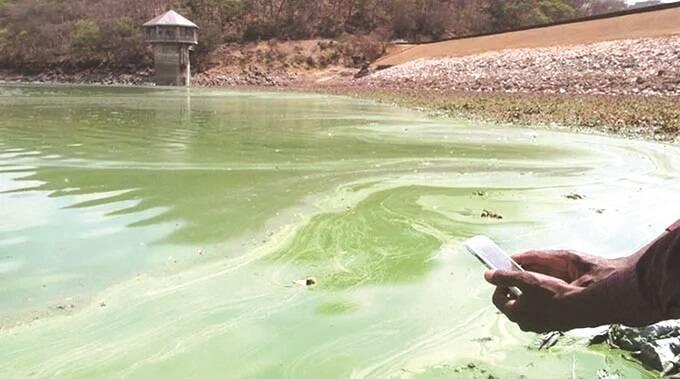
The ministry noted that Lake Chivero has experienced persistent and hazardous harmful algal blooms, largely driven by cyanobacteria that release toxins threatening public health, aquatic life and water treatment processes.
"Cyanobacteria now dominate the lake, releasing toxins that threaten public health, aquatic life and water treatment operations, with recent fish kills underscoring the urgency for action," the statement said.
LG Sonic's technology uses ultrasound to disrupt the growth cycle of harmful algae without chemicals. The system is supported by real-time water quality monitoring, enabling authorities to track oxygen levels, nutrient concentrations and algal activity while supporting gradual ecosystem recovery.
The technology has been deployed in more than 60 countries and is designed to restore natural ecological balance by improving water clarity, reducing toxins and protecting aquatic biodiversity.
Government said it is considering a comprehensive restoration programme anchored on chemical-free, nature-based technologies, real-time monitoring and long-term ecosystem rehabilitation.
"With a total investment of €19.8 million, the project is fully financed, with 50 percent structured as a grant supported by the Dutch government through Invest International, significantly reducing fiscal risk while delivering high environmental and social returns," the ministry said.
Lake Chivero's pollution has largely been attributed to untreated sewage and wastewater discharges, primarily from Harare City Council, as well as effluent from surrounding urban and industrial areas. The Environmental Management Authority (EMA) has repeatedly identified the City of Harare as the lake's biggest polluter due to chronic failures in sewage treatment.
The environmental crisis reached a critical point in 2024 when four rhinos and several other animals died after drinking contaminated water from the lake, highlighting the severity of toxin accumulation.
The pollution has also placed heavy pressure on Harare's water treatment system, with the city spending an estimated US$3 million per month on treatment chemicals, most of which are imported.
In response to worsening water quality and shortages, Government in 2023 appointed a technical committee to develop a comprehensive plan to improve water availability and quality in Harare. The committee was tasked with stabilising water production, reducing non-revenue water losses and expanding access to potable water.
Harare's water challenges have had serious public health consequences, including major cholera outbreaks in 2019 and 2023, with poor sanitation and prolonged water shortages cited as key contributing factors.
Lake Chivero supplies potable water to millions of residents in Harare and surrounding areas, but has suffered severe ecological decline due to years of untreated sewage, agricultural runoff and industrial effluent.
The five-year rehabilitation programme will be implemented in partnership with Netherlands-based environmental technology firm LG Sonic, which specialises in chemical-free water restoration systems. The company is internationally recognised for controlling harmful algal blooms and supporting long-term ecosystem recovery in polluted lakes and reservoirs.
Half of the funding has been secured as a grant from the Dutch government, significantly reducing Zimbabwe's fiscal exposure while enabling the deployment of advanced water restoration technologies expected to lower long-term water treatment costs.
The initiative was announced yesterday by the Ministry of Finance, Economic Development and Investment Promotion, following a meeting between Finance Minister Professor Mthuli Ncube and LG Sonic chief executive officer Mr Yousef Yousef on the sidelines of the World Economic Forum in Davos, Switzerland.
"Professor Mthuli Ncube held a productive engagement with LG Sonic CEO Yousef Yousef to discuss advanced, science-based solutions for the treatment and restoration of Lake Chivero, one of Zimbabwe's most critical water bodies supplying Harare and surrounding areas," the ministry said in a statement.
The ministry noted that Lake Chivero has experienced persistent and hazardous harmful algal blooms, largely driven by cyanobacteria that release toxins threatening public health, aquatic life and water treatment processes.
"Cyanobacteria now dominate the lake, releasing toxins that threaten public health, aquatic life and water treatment operations, with recent fish kills underscoring the urgency for action," the statement said.
The technology has been deployed in more than 60 countries and is designed to restore natural ecological balance by improving water clarity, reducing toxins and protecting aquatic biodiversity.
Government said it is considering a comprehensive restoration programme anchored on chemical-free, nature-based technologies, real-time monitoring and long-term ecosystem rehabilitation.
"With a total investment of €19.8 million, the project is fully financed, with 50 percent structured as a grant supported by the Dutch government through Invest International, significantly reducing fiscal risk while delivering high environmental and social returns," the ministry said.
Lake Chivero's pollution has largely been attributed to untreated sewage and wastewater discharges, primarily from Harare City Council, as well as effluent from surrounding urban and industrial areas. The Environmental Management Authority (EMA) has repeatedly identified the City of Harare as the lake's biggest polluter due to chronic failures in sewage treatment.
The environmental crisis reached a critical point in 2024 when four rhinos and several other animals died after drinking contaminated water from the lake, highlighting the severity of toxin accumulation.
The pollution has also placed heavy pressure on Harare's water treatment system, with the city spending an estimated US$3 million per month on treatment chemicals, most of which are imported.
In response to worsening water quality and shortages, Government in 2023 appointed a technical committee to develop a comprehensive plan to improve water availability and quality in Harare. The committee was tasked with stabilising water production, reducing non-revenue water losses and expanding access to potable water.
Harare's water challenges have had serious public health consequences, including major cholera outbreaks in 2019 and 2023, with poor sanitation and prolonged water shortages cited as key contributing factors.
Source - The Herald
All articles and letters published on Bulawayo24 have been independently written by members of Bulawayo24's community. The views of users published on Bulawayo24 are therefore their own and do not necessarily represent the views of Bulawayo24. Bulawayo24 editors also reserve the right to edit or delete any and all comments received.
Join the discussion
Loading comments…



