News / National
Small-scale miners warn Mthuli Ncube
06 Dec 2025 at 18:16hrs |
0 Views
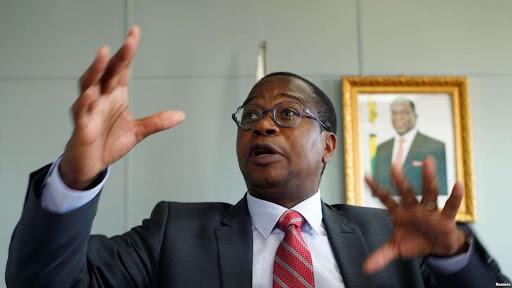
The Zimbabwe Miners Federation (ZMF) has warned that Finance Minister Mthuli Ncube's proposal to double gold royalties could backfire by stifling new investment and driving mining activity into illegal markets.
The organisation, which represents small-scale miners responsible for more than 75% of the country's annual gold output, issued the warning in a letter directed to Ncube following the presentation of the 2026 national budget.
Under the proposed changes, gold royalties will rise from 5% to 10% for all output sold above US$2,501 per ounce. Previously, this upper threshold largely affected major producers, but the new structure means small-scale miners would now also pay 10% of their earnings to the government. Ncube defended the move, arguing that Zimbabwe must capture greater value from historically high gold prices.
ZMF, however, cautioned that the increased tax burden will make formal trading less attractive.
"New investment in exploration and mine development will stall," the federation said. "We project a dramatic increase in smuggling as miners seek better returns in neighbouring countries with lower fiscal impositions."
The group added that pushing miners into the black market would ultimately deprive the state of foreign currency rather than increase it.
"As production shifts to illicit channels, official gold exports — a critical source of foreign currency — will decline, harming the country's balance of payments and exchange rate stability," ZMF warned.
Zimbabwe has recorded a strong performance this year in mineral earnings, with gold revenues rising 88% to US$3.76 billion in the first 10 months, driven by record production and prices hovering near all-time highs above US$4,200 an ounce.
If the royalty increase is enforced, miners argue, the sector could slow just as global prices are offering Zimbabwe one of its biggest economic lifelines.
The organisation, which represents small-scale miners responsible for more than 75% of the country's annual gold output, issued the warning in a letter directed to Ncube following the presentation of the 2026 national budget.
Under the proposed changes, gold royalties will rise from 5% to 10% for all output sold above US$2,501 per ounce. Previously, this upper threshold largely affected major producers, but the new structure means small-scale miners would now also pay 10% of their earnings to the government. Ncube defended the move, arguing that Zimbabwe must capture greater value from historically high gold prices.
ZMF, however, cautioned that the increased tax burden will make formal trading less attractive.
The group added that pushing miners into the black market would ultimately deprive the state of foreign currency rather than increase it.
"As production shifts to illicit channels, official gold exports — a critical source of foreign currency — will decline, harming the country's balance of payments and exchange rate stability," ZMF warned.
Zimbabwe has recorded a strong performance this year in mineral earnings, with gold revenues rising 88% to US$3.76 billion in the first 10 months, driven by record production and prices hovering near all-time highs above US$4,200 an ounce.
If the royalty increase is enforced, miners argue, the sector could slow just as global prices are offering Zimbabwe one of its biggest economic lifelines.
Source - Newzwire
Join the discussion
Loading comments…





