News / National
Coltart blames Ramaphosa?
09 Jun 2026 at 19:39hrs |
0 Views
South African President Cyril Ramaphosa is facing growing calls to hold Zimbabwe's government accountable for economic and political conditions that critics say are driving large-scale migration into South Africa.
The calls come as Pretoria grapples with renewed anti-immigrant sentiment, with several groups demanding the deportation of undocumented foreign nationals, whom they accuse of contributing to crime, unemployment and pressure on public services.
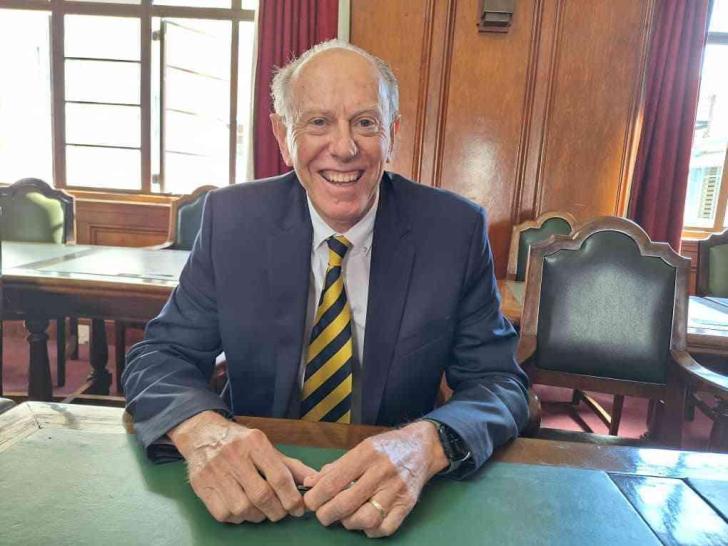
Former Zimbabwean cabinet minister David Coltart said South Africa's efforts to address migration challenges would have limited success unless the root causes of migration from Zimbabwe are addressed.
Coltart warned that proposed constitutional changes in Zimbabwe could worsen political and economic instability, potentially prompting more Zimbabweans to seek opportunities across the border.
"South Africans, Cyril Ramaphosa and the ANC in particular, need to understand that if the faction within Zanu PF pushing for Constitutional Amendment Bill 3 get their way, and desecrate Zimbabwe's Constitution, Zimbabwe will be further destabilised and that will only drive even more Zimbabweans into economic and political exile in South Africa," he said.
"The time has come for the South African government to speak out firmly, publicly and unequivocally, that the destruction of Zimbabwe's Constitution and the consolidation of power by and into a tiny, corrupt elite is unacceptable."
Coltart argued that the majority of migrants entering South Africa originate from Zimbabwe and that addressing migration pressures requires tackling conditions in source countries.
"All South Africa's internal measures to deal with this crisis will come to naught if the push factor coming from Zimbabwe is not dealt with," he said.
The remarks come amid criticism from some quarters that Ramaphosa and the governing African National Congress have been reluctant to publicly challenge Zimbabwe's leadership over governance and economic issues.
Meanwhile, opposition leader Mmusi Maimane said South Africa could not effectively address undocumented migration without confronting what he described as governance failures in neighbouring countries.
"You can't solve the immigration crisis in South Africa without directly calling out Zanu PF and Frelimo," Maimane said.
"They are the root cause of undocumented mass immigration in South Africa."
Maimane further accused the ANC of maintaining close relations with governing parties in the region despite concerns over governance and electoral processes.
The debate follows increased pressure on the South African government from anti-immigrant organisations demanding tougher action against undocumented migrants.
According to reports, Ramaphosa recently announced that undocumented immigrants would be expected to leave South Africa by June 30 as authorities intensify efforts to address illegal migration and strengthen border management.
Zimbabwe remains one of the largest sources of migrants to South Africa, with many crossing the border in search of employment and better economic opportunities.
The migration issue has become a recurring source of tension in South Africa, where periodic outbreaks of xenophobic violence and anti-immigrant protests have highlighted deep frustrations over unemployment, crime and competition for limited resources.
Analysts say resolving the challenge will require not only domestic policy interventions within South Africa but also greater regional cooperation to address the economic and political factors driving migration across Southern Africa.
The calls come as Pretoria grapples with renewed anti-immigrant sentiment, with several groups demanding the deportation of undocumented foreign nationals, whom they accuse of contributing to crime, unemployment and pressure on public services.
Former Zimbabwean cabinet minister David Coltart said South Africa's efforts to address migration challenges would have limited success unless the root causes of migration from Zimbabwe are addressed.
Coltart warned that proposed constitutional changes in Zimbabwe could worsen political and economic instability, potentially prompting more Zimbabweans to seek opportunities across the border.
"South Africans, Cyril Ramaphosa and the ANC in particular, need to understand that if the faction within Zanu PF pushing for Constitutional Amendment Bill 3 get their way, and desecrate Zimbabwe's Constitution, Zimbabwe will be further destabilised and that will only drive even more Zimbabweans into economic and political exile in South Africa," he said.
"The time has come for the South African government to speak out firmly, publicly and unequivocally, that the destruction of Zimbabwe's Constitution and the consolidation of power by and into a tiny, corrupt elite is unacceptable."
Coltart argued that the majority of migrants entering South Africa originate from Zimbabwe and that addressing migration pressures requires tackling conditions in source countries.
"All South Africa's internal measures to deal with this crisis will come to naught if the push factor coming from Zimbabwe is not dealt with," he said.
The remarks come amid criticism from some quarters that Ramaphosa and the governing African National Congress have been reluctant to publicly challenge Zimbabwe's leadership over governance and economic issues.
Meanwhile, opposition leader Mmusi Maimane said South Africa could not effectively address undocumented migration without confronting what he described as governance failures in neighbouring countries.
"You can't solve the immigration crisis in South Africa without directly calling out Zanu PF and Frelimo," Maimane said.
"They are the root cause of undocumented mass immigration in South Africa."
Maimane further accused the ANC of maintaining close relations with governing parties in the region despite concerns over governance and electoral processes.
The debate follows increased pressure on the South African government from anti-immigrant organisations demanding tougher action against undocumented migrants.
According to reports, Ramaphosa recently announced that undocumented immigrants would be expected to leave South Africa by June 30 as authorities intensify efforts to address illegal migration and strengthen border management.
Zimbabwe remains one of the largest sources of migrants to South Africa, with many crossing the border in search of employment and better economic opportunities.
The migration issue has become a recurring source of tension in South Africa, where periodic outbreaks of xenophobic violence and anti-immigrant protests have highlighted deep frustrations over unemployment, crime and competition for limited resources.
Analysts say resolving the challenge will require not only domestic policy interventions within South Africa but also greater regional cooperation to address the economic and political factors driving migration across Southern Africa.
Source - newzimbabwe
Join the discussion
Loading comments…



