News / National
Lawyer blasts Ziyambi over CAB3
29 Jun 2026 at 09:41hrs |
0 Views
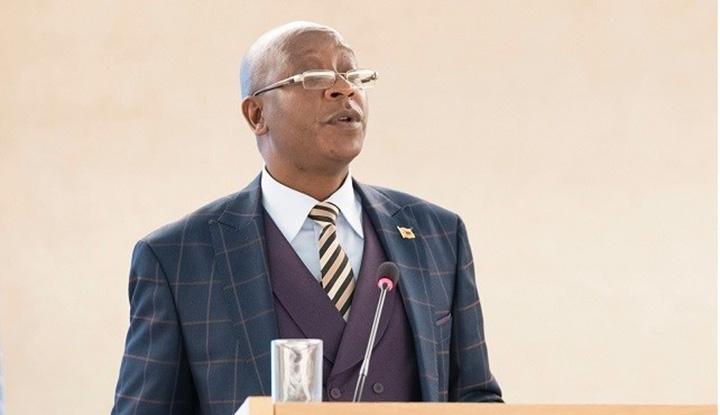
RENOWNED Harare lawyer Jacqueline Sande-Kamanga has launched a scathing attack on Justice, Legal and Parliamentary Affairs Minister Ziyambi Ziyambi over the controversial Constitutional Amendment No. 3 Bill (CAB3), accusing him of undermining constitutionalism and good governance for political expediency.
In a post on X, Sande-Kamanga said the minister had rushed through flawed legislation that threatened Zimbabwe's democratic foundations.
"He sponsored a bill riddled with mistakes and impracticalities. He rushed his ill-thought out, impractical, poorly drafted piece of legislation through Parliament for political expediency, sacrificing constitutionalism and good governance in the process," she wrote.
Ziyambi, the former Zanu-PF legislator for Zvimba West, is among the few Cabinet ministers serving without being Members of Parliament after losing his constituency in successive Zanu-PF primary elections to current Deputy Minister of Public Service, Labour and Social Welfare Mercy Maruva-Dinha.
Sande-Kamanga warned that the manner in which CAB3 was processed through Parliament set a dangerous precedent for Zimbabwe's constitutional democracy.
"Taking an entire nation down the democratic drain into the gutter of governance, into the abyss of authoritarian rule and into the pits of tyranny," she said.
She also questioned the minister's motives, describing him as "a profoundly self-serving individual" before concluding with a pointed rebuke: "An example of a statesman not!"
The Constitutional Amendment No. 3 Bill has attracted widespread criticism from civil society organisations, opposition parties and legal experts, who argue that several of its provisions threaten judicial independence and weaken constitutional safeguards.
Among its most controversial proposals are measures to extend the terms of President Emmerson Mnangagwa, Parliament and local authorities beyond the expiry of their current mandates in 2028, as well as changes affecting judicial appointments and governance structures.
Ziyambi has consistently defended the Bill, arguing that its purpose is to align the Constitution with what he describes as the practical realities of governance.
The proposed amendments have, however, continued to generate intense public and political debate, with critics warning they could erode constitutional checks and balances and further concentrate executive power.
In a post on X, Sande-Kamanga said the minister had rushed through flawed legislation that threatened Zimbabwe's democratic foundations.
"He sponsored a bill riddled with mistakes and impracticalities. He rushed his ill-thought out, impractical, poorly drafted piece of legislation through Parliament for political expediency, sacrificing constitutionalism and good governance in the process," she wrote.
Ziyambi, the former Zanu-PF legislator for Zvimba West, is among the few Cabinet ministers serving without being Members of Parliament after losing his constituency in successive Zanu-PF primary elections to current Deputy Minister of Public Service, Labour and Social Welfare Mercy Maruva-Dinha.
Sande-Kamanga warned that the manner in which CAB3 was processed through Parliament set a dangerous precedent for Zimbabwe's constitutional democracy.
She also questioned the minister's motives, describing him as "a profoundly self-serving individual" before concluding with a pointed rebuke: "An example of a statesman not!"
The Constitutional Amendment No. 3 Bill has attracted widespread criticism from civil society organisations, opposition parties and legal experts, who argue that several of its provisions threaten judicial independence and weaken constitutional safeguards.
Among its most controversial proposals are measures to extend the terms of President Emmerson Mnangagwa, Parliament and local authorities beyond the expiry of their current mandates in 2028, as well as changes affecting judicial appointments and governance structures.
Ziyambi has consistently defended the Bill, arguing that its purpose is to align the Constitution with what he describes as the practical realities of governance.
The proposed amendments have, however, continued to generate intense public and political debate, with critics warning they could erode constitutional checks and balances and further concentrate executive power.
Source - newzimbabwe
Join the discussion
Loading comments…


