News / National
Woman faces externalisation charges
25 Feb 2026 at 10:43hrs |
0 Views
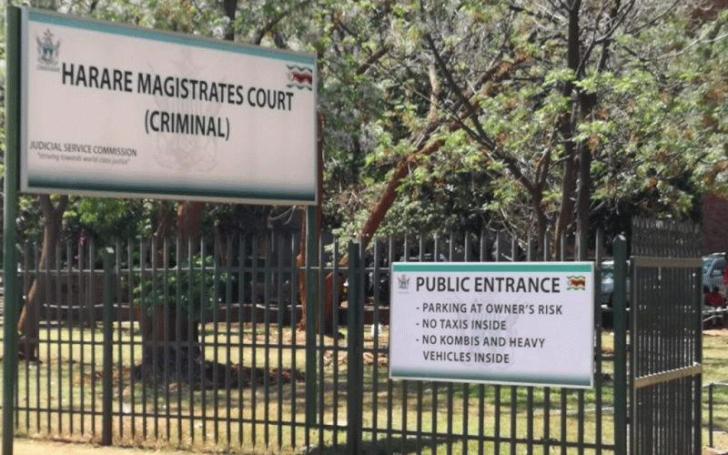
Evelyn Sarah Bengesa, 65, has appeared in court facing allegations of unlawfully transferring a large portion of the proceeds from the sale of her matrimonial home out of Zimbabwe.
Bengesa appeared before Harare Regional Magistrate Sheila Mupindu, charged with contravening the Exchange Control Act by externalising funds. She was granted bail of US$1,000 on the condition that she surrenders both her American and Zimbabwean passports to the court clerk.
Prosecutor Zvikomborero Mupasa told the court that Bengesa sold her property at 16 Prices Avenue, Mt Pleasant, Harare, for US$660,000 on 25 August 2025. On 16 September, she allegedly travelled to Botswana via the Plumtree Border Post carrying US$480,000 in cash, which she then deposited into her Stanbic Bank company account in Francistown.
The unusually large deposit raised suspicions at the bank, prompting them to freeze the account amid concerns over the legitimacy of the funds. Bengesa maintained that the money was lawfully acquired from the sale of her Harare property.
Interpol later became involved in the matter, leading to her arrest when she returned to Zimbabwe to seek clearance to access her frozen account in Botswana. The case highlights the scrutiny surrounding cross-border financial transfers and compliance with Zimbabwe's exchange control regulations.
Bengesa appeared before Harare Regional Magistrate Sheila Mupindu, charged with contravening the Exchange Control Act by externalising funds. She was granted bail of US$1,000 on the condition that she surrenders both her American and Zimbabwean passports to the court clerk.
The unusually large deposit raised suspicions at the bank, prompting them to freeze the account amid concerns over the legitimacy of the funds. Bengesa maintained that the money was lawfully acquired from the sale of her Harare property.
Interpol later became involved in the matter, leading to her arrest when she returned to Zimbabwe to seek clearance to access her frozen account in Botswana. The case highlights the scrutiny surrounding cross-border financial transfers and compliance with Zimbabwe's exchange control regulations.
Source - The Herald
Join the discussion
Loading comments…


