News / National
inDrivers tell Zimbabweans to adjust to our ride fares or walk
28 Mar 2026 at 13:50hrs |
0 Views
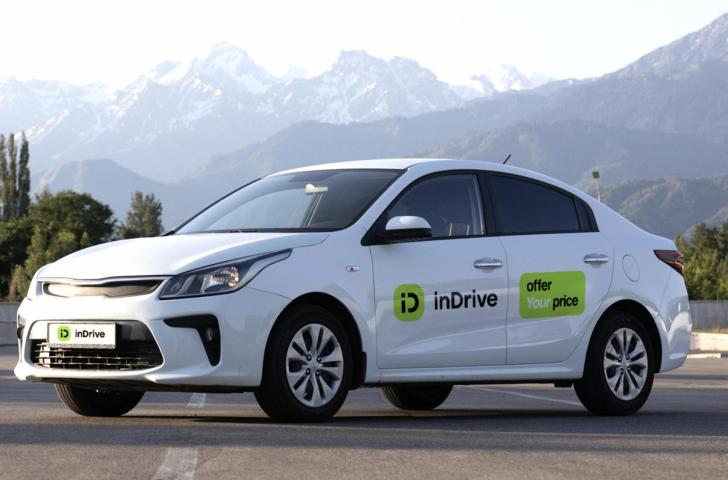
Zimbabwe's ride-hailing industry is facing mounting pressure following a sharp rise in fuel prices to a record US$2,17 per litre, sparking tensions between drivers and passengers over fares.
The surge, confirmed by the Zimbabwe Energy Regulatory Authority, marks the second increase in less than a month and is already reshaping the economics of platforms such as inDrive.
The US-based mobility company, which launched in Zimbabwe in March 2023 and later expanded to cities including Bulawayo, Gweru and Mutare, had initially attracted users with low-cost fares — sometimes as little as US$2 for short trips in Harare's central business district.
However, drivers now say those rates are no longer sustainable.
"Fuel is very expensive. I can't just accept ride requests anymore," said Peter Mahlangu, an inDrive driver. "I now have to adjust prices and add at least US$2 for short distances and US$3 for longer ones."
Unlike conventional ride-hailing apps, inDrive allows passengers and drivers to negotiate fares, a feature that is now at the centre of growing disputes as both sides struggle to cope with rising costs.
Driver Tinotenda Feremba said the price hikes have significantly eroded earnings.
"Imagine buying five litres of petrol for more than US$10," he said. "I used to make around US$40 a day before fuel, but now I cannot accept rides without adjusting fares."
The impact is being felt across Zimbabwe's urban centres, particularly in Harare, where commuters are increasingly struggling to secure affordable transport.
Tendai Kamurai, a nurse based in Waterfalls, said fares for her daily commute have become unpredictable.
"I used to pay between US$2 and US$3, but now I can't get rides at those prices," she said.
Lawmakers say the situation is beginning to affect broader economic and technological trends.
Vusumuzi Moyo, chairperson of the Parliamentary Portfolio Committee on ICT, Postal and Courier Services, said even he has struggled to secure rides at standard rates.
"The geopolitics and events in the Middle East are affecting our pace in technology adoption," he said, warning that high fuel costs could undermine Zimbabwe's integration into global digital transport systems.
The latest increases have been linked to escalating tensions in the Middle East, particularly involving Israel, the United States and Iran, which have disrupted oil supply routes through the Strait of Hormuz.
Parliament is now stepping in to assess the impact. Chalton Hwende, chairperson of the Parliamentary Portfolio Committee on Energy and Power Development, said the committee will engage Energy Minister July Moyo to explore possible interventions.
"This situation will heavily affect ordinary citizens, especially those in the ride-hailing sector," Hwende said, noting that many drivers rely on the platforms as their primary source of income.
Meanwhile, Knowledge Kaitano, who chairs the Transport and Infrastructure Committee, said discussions on the issue are yet to formally begin in his portfolio.
Analysts warn that the ripple effects could be far-reaching. With Zimbabwe now ranked as the second most expensive country for fuel in the Southern African region — behind Malawi — rising transport costs are expected to place further strain on households and small businesses.
As fares climb, experts say more commuters may be forced back to informal transport options, potentially reversing gains made in modernising urban mobility through digital platforms.
For now, both drivers and passengers remain locked in a daily struggle, negotiating prices ride by ride in an increasingly unaffordable market.
The surge, confirmed by the Zimbabwe Energy Regulatory Authority, marks the second increase in less than a month and is already reshaping the economics of platforms such as inDrive.
The US-based mobility company, which launched in Zimbabwe in March 2023 and later expanded to cities including Bulawayo, Gweru and Mutare, had initially attracted users with low-cost fares — sometimes as little as US$2 for short trips in Harare's central business district.
However, drivers now say those rates are no longer sustainable.
"Fuel is very expensive. I can't just accept ride requests anymore," said Peter Mahlangu, an inDrive driver. "I now have to adjust prices and add at least US$2 for short distances and US$3 for longer ones."
Unlike conventional ride-hailing apps, inDrive allows passengers and drivers to negotiate fares, a feature that is now at the centre of growing disputes as both sides struggle to cope with rising costs.
Driver Tinotenda Feremba said the price hikes have significantly eroded earnings.
"Imagine buying five litres of petrol for more than US$10," he said. "I used to make around US$40 a day before fuel, but now I cannot accept rides without adjusting fares."
The impact is being felt across Zimbabwe's urban centres, particularly in Harare, where commuters are increasingly struggling to secure affordable transport.
Tendai Kamurai, a nurse based in Waterfalls, said fares for her daily commute have become unpredictable.
Lawmakers say the situation is beginning to affect broader economic and technological trends.
Vusumuzi Moyo, chairperson of the Parliamentary Portfolio Committee on ICT, Postal and Courier Services, said even he has struggled to secure rides at standard rates.
"The geopolitics and events in the Middle East are affecting our pace in technology adoption," he said, warning that high fuel costs could undermine Zimbabwe's integration into global digital transport systems.
The latest increases have been linked to escalating tensions in the Middle East, particularly involving Israel, the United States and Iran, which have disrupted oil supply routes through the Strait of Hormuz.
Parliament is now stepping in to assess the impact. Chalton Hwende, chairperson of the Parliamentary Portfolio Committee on Energy and Power Development, said the committee will engage Energy Minister July Moyo to explore possible interventions.
"This situation will heavily affect ordinary citizens, especially those in the ride-hailing sector," Hwende said, noting that many drivers rely on the platforms as their primary source of income.
Meanwhile, Knowledge Kaitano, who chairs the Transport and Infrastructure Committee, said discussions on the issue are yet to formally begin in his portfolio.
Analysts warn that the ripple effects could be far-reaching. With Zimbabwe now ranked as the second most expensive country for fuel in the Southern African region — behind Malawi — rising transport costs are expected to place further strain on households and small businesses.
As fares climb, experts say more commuters may be forced back to informal transport options, potentially reversing gains made in modernising urban mobility through digital platforms.
For now, both drivers and passengers remain locked in a daily struggle, negotiating prices ride by ride in an increasingly unaffordable market.
Source - Newsday
Join the discussion
Loading comments…





