News / National
Fake goods syndicates flood Mutare markets
17 Apr 2026 at 15:45hrs |
0 Views
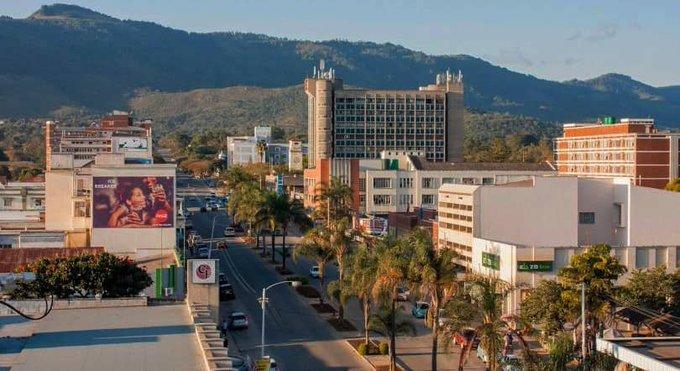
Counterfeit goods syndicates are targeting struggling shop owners and street vendors in Mutare, flooding the city's central business district with fake household products sold at heavily discounted wholesale prices.
Traders say they are being lured into buying cheap stock — including imitation disinfectants, skin lotions and petroleum jelly — only to later discover the products are counterfeit, unsafe or rejected by customers.
The growing problem came into sharp focus last Friday when a Congolese national, Alex Aishayiku, appeared before Mutare magistrate Honest Musiiwa facing fraud and immigration-related charges after allegedly attempting to sell fake Domestos disinfectant.
Aishayiku, who is reportedly in the country without a valid work permit and has no fixed address, was remanded in custody.
Prosecutor Sandra Mlambo told the court that the suspect, acting in common purpose with two accomplices still at large, supplied a local wholesaler with 95 boxes of what was presented as genuine Domestos disinfectant and bleach.
Each box contained 20 bottles and was priced at US$30, with the complainant, Ms Martha Chigwere of Rise and Shine Wholesalers, initially paying a US$150 deposit with the balance due after resale.
However, customers allegedly rejected the products upon realising they were counterfeit.
Suspecting a scam, Ms Chigwere reportedly contacted the suppliers and claimed she had sold the goods and had US$1,500 ready for collection. The suspects then dispatched Aishayiku with an additional 80 boxes.
On April 9, Zimbabwe Anti-Corruption Commission (ZACC) officers were alerted and arrested Aishayiku while he was attempting to collect payment.
Authorities seized a total of 173 boxes of the suspected counterfeit disinfectant, valued at US$5,400. Preliminary examinations by officials from the Ministry of Industry and Commerce confirmed the products were fake.
Aishayiku has not yet been asked to plead.
A snap survey in Mutare's downtown trading district revealed that syndicates are moving from shop to shop offering well-known brands at prices far below market rates.
"They come across as convincing and knowledgeable about popular brands, offering deals that seem too good to pass up," said one wholesaler who requested anonymity. "But if you fall for it, you lose money and customer trust."
The problem is exacerbated by Mutare's proximity to Forbes Border Post, a key entry point between Zimbabwe and Mozambique, making it easier for smuggled and counterfeit goods to enter the city and spread to surrounding areas.
Retailers say counterfeit cosmetics are also on the rise, with fake products mimicking popular brands.
"You often only realise after customers complain — the packaging is poor or the smell is off," said cosmetics trader Ms Chido Murakati.
Some traders admit they are tempted by informal suppliers who offer goods on credit, unlike formal distributors who typically demand upfront payment.
Vendors say the consequences can be severe, including reputational damage and loss of customers.
"These dealers tell you to pay after selling, so some people agree because business is tough," said vendor Ms Lilian Steva. "But when customers complain, you lose their trust."
Consumers are also bearing the brunt. One resident, Ms Lucia Mataruse, said she developed a skin rash after using a cheap lotion purchased from an informal trader.
Consumer watchdogs warn that the proliferation of counterfeit goods poses serious risks.
Consumer Council of Zimbabwe chief executive Rosemary Mpofu said fake and substandard products threaten public health, undermine legitimate businesses and deprive the government of revenue through tax evasion.
"The proliferation of substandard and counterfeit goods poses significant risks, including health hazards, economic losses and unfair competition," she said.
Stakeholders are now calling for intensified market inspections, random product testing and stricter enforcement against smuggling networks, while urging consumers and traders to be vigilant when purchasing unusually cheap goods.
Traders say they are being lured into buying cheap stock — including imitation disinfectants, skin lotions and petroleum jelly — only to later discover the products are counterfeit, unsafe or rejected by customers.
The growing problem came into sharp focus last Friday when a Congolese national, Alex Aishayiku, appeared before Mutare magistrate Honest Musiiwa facing fraud and immigration-related charges after allegedly attempting to sell fake Domestos disinfectant.
Aishayiku, who is reportedly in the country without a valid work permit and has no fixed address, was remanded in custody.
Prosecutor Sandra Mlambo told the court that the suspect, acting in common purpose with two accomplices still at large, supplied a local wholesaler with 95 boxes of what was presented as genuine Domestos disinfectant and bleach.
Each box contained 20 bottles and was priced at US$30, with the complainant, Ms Martha Chigwere of Rise and Shine Wholesalers, initially paying a US$150 deposit with the balance due after resale.
However, customers allegedly rejected the products upon realising they were counterfeit.
Suspecting a scam, Ms Chigwere reportedly contacted the suppliers and claimed she had sold the goods and had US$1,500 ready for collection. The suspects then dispatched Aishayiku with an additional 80 boxes.
On April 9, Zimbabwe Anti-Corruption Commission (ZACC) officers were alerted and arrested Aishayiku while he was attempting to collect payment.
Authorities seized a total of 173 boxes of the suspected counterfeit disinfectant, valued at US$5,400. Preliminary examinations by officials from the Ministry of Industry and Commerce confirmed the products were fake.
Aishayiku has not yet been asked to plead.
A snap survey in Mutare's downtown trading district revealed that syndicates are moving from shop to shop offering well-known brands at prices far below market rates.
The problem is exacerbated by Mutare's proximity to Forbes Border Post, a key entry point between Zimbabwe and Mozambique, making it easier for smuggled and counterfeit goods to enter the city and spread to surrounding areas.
Retailers say counterfeit cosmetics are also on the rise, with fake products mimicking popular brands.
"You often only realise after customers complain — the packaging is poor or the smell is off," said cosmetics trader Ms Chido Murakati.
Some traders admit they are tempted by informal suppliers who offer goods on credit, unlike formal distributors who typically demand upfront payment.
Vendors say the consequences can be severe, including reputational damage and loss of customers.
"These dealers tell you to pay after selling, so some people agree because business is tough," said vendor Ms Lilian Steva. "But when customers complain, you lose their trust."
Consumers are also bearing the brunt. One resident, Ms Lucia Mataruse, said she developed a skin rash after using a cheap lotion purchased from an informal trader.
Consumer watchdogs warn that the proliferation of counterfeit goods poses serious risks.
Consumer Council of Zimbabwe chief executive Rosemary Mpofu said fake and substandard products threaten public health, undermine legitimate businesses and deprive the government of revenue through tax evasion.
"The proliferation of substandard and counterfeit goods poses significant risks, including health hazards, economic losses and unfair competition," she said.
Stakeholders are now calling for intensified market inspections, random product testing and stricter enforcement against smuggling networks, while urging consumers and traders to be vigilant when purchasing unusually cheap goods.
Source - Manica Post
Join the discussion
Loading comments…





