News / National
Zimnat ordered to pay US$1,4m claim
11 May 2026 at 14:24hrs |
0 Views
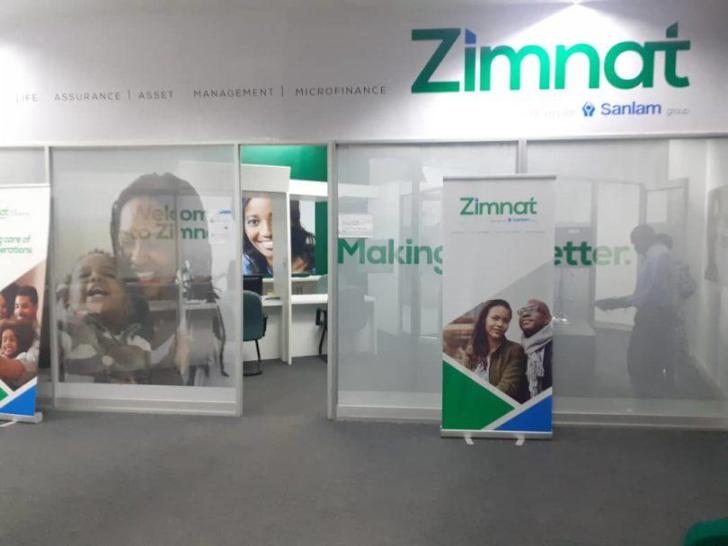
The High Court has ordered Zimnat General Insurance to pay a combined US$2,46 million to tourism operators after ruling that Covid-19 triggered valid business interruption cover under insurance policies issued during the pandemic.
In a judgment delivered in Bulawayo, Justice Mpokiseng Dube ordered the insurer to pay US$1,4 million to Spencers Creek (Pvt) Ltd, together with interest at 5 percent per annum and legal costs.
In a related ruling, the court also ordered Zimnat to pay US$1 066 239 to Africa Albida Tourism and Victoria Falls Safari Lodge under similar insurance cover.
The claims stemmed from business interruption insurance policies that covered losses arising from a "notifiable contagious or infectious disease" occurring at insured premises during the Covid-19 pandemic.
The plaintiffs argued that Covid-19 infections linked to guests at Ilala Lodge in Victoria Falls triggered the policy cover, after two tourists, Mr and Mrs O'Shaughnessy, stayed at the lodge between March 7 and March 10, 2020 and later developed symptoms consistent with the virus.
Court papers showed that employees who interacted with the couple also fell ill, with further transmission reported among staff members before the businesses were ultimately shut down following government's national lockdown in March 2020.
Zimnat opposed the claims, arguing that there was no conclusive proof that Covid-19 occurred at the premises and suggesting that the symptoms could have been caused by influenza, malaria or medication side effects. The insurer also challenged the notification process and loss calculations.
However, Justice Dube dismissed those arguments, finding that the plaintiffs had proved their case on a balance of probabilities.
"Applying the following dictum to the present matter on a balance of probabilities, I am convinced that indeed the O'Shaughnessy couple suffered from Covid-19," the judge said.
The court relied on expert medical testimony from Dr MD Jeans, who said the symptoms and pattern of transmission were consistent with Covid-19 infection at a time when testing facilities were not yet available in Victoria Falls.
By contrast, the court rejected testimony from Zimnat's expert witness, Dr Knowledge Chemayi, stating: "I am convinced that Dr Chemayi indeed played per the script presented to him. I thus reject his testimony as being biased."
Justice Dube further ruled that the insurer had accepted notification of the claims after correspondence from broker Desmond Stevens on March 23, 2020, concluding that notification had been validly made.
The court also criticised Zimnat's reliance on a "Fire, Lightning, Storm Claim Form" for a pandemic-related claim, describing it as inappropriate for the circumstances.
"I am of the respectful view that this claim form was never designed for a claim such as the present," the judge said.
The ruling noted that the Covid-19 pandemic exposed gaps in insurance preparedness for large-scale infectious disease events.
"What this letter tells in plain truth is that the defendant in its position as an insurer was taken by surprise by the pandemic and resultant claims," Justice Dube said.
The court concluded that the interruption of business operations fell squarely within the policy terms and that Covid-19 had occurred at the insured premises, triggering liability under the contracts.
In a judgment delivered in Bulawayo, Justice Mpokiseng Dube ordered the insurer to pay US$1,4 million to Spencers Creek (Pvt) Ltd, together with interest at 5 percent per annum and legal costs.
In a related ruling, the court also ordered Zimnat to pay US$1 066 239 to Africa Albida Tourism and Victoria Falls Safari Lodge under similar insurance cover.
The claims stemmed from business interruption insurance policies that covered losses arising from a "notifiable contagious or infectious disease" occurring at insured premises during the Covid-19 pandemic.
The plaintiffs argued that Covid-19 infections linked to guests at Ilala Lodge in Victoria Falls triggered the policy cover, after two tourists, Mr and Mrs O'Shaughnessy, stayed at the lodge between March 7 and March 10, 2020 and later developed symptoms consistent with the virus.
Court papers showed that employees who interacted with the couple also fell ill, with further transmission reported among staff members before the businesses were ultimately shut down following government's national lockdown in March 2020.
Zimnat opposed the claims, arguing that there was no conclusive proof that Covid-19 occurred at the premises and suggesting that the symptoms could have been caused by influenza, malaria or medication side effects. The insurer also challenged the notification process and loss calculations.
However, Justice Dube dismissed those arguments, finding that the plaintiffs had proved their case on a balance of probabilities.
The court relied on expert medical testimony from Dr MD Jeans, who said the symptoms and pattern of transmission were consistent with Covid-19 infection at a time when testing facilities were not yet available in Victoria Falls.
By contrast, the court rejected testimony from Zimnat's expert witness, Dr Knowledge Chemayi, stating: "I am convinced that Dr Chemayi indeed played per the script presented to him. I thus reject his testimony as being biased."
Justice Dube further ruled that the insurer had accepted notification of the claims after correspondence from broker Desmond Stevens on March 23, 2020, concluding that notification had been validly made.
The court also criticised Zimnat's reliance on a "Fire, Lightning, Storm Claim Form" for a pandemic-related claim, describing it as inappropriate for the circumstances.
"I am of the respectful view that this claim form was never designed for a claim such as the present," the judge said.
The ruling noted that the Covid-19 pandemic exposed gaps in insurance preparedness for large-scale infectious disease events.
"What this letter tells in plain truth is that the defendant in its position as an insurer was taken by surprise by the pandemic and resultant claims," Justice Dube said.
The court concluded that the interruption of business operations fell squarely within the policy terms and that Covid-19 had occurred at the insured premises, triggering liability under the contracts.
Source - The Herald
Join the discussion
Loading comments…


