News / National
Zimbabwe passes first IMF test
29 Jul 2026 at 07:33hrs |
639 Views
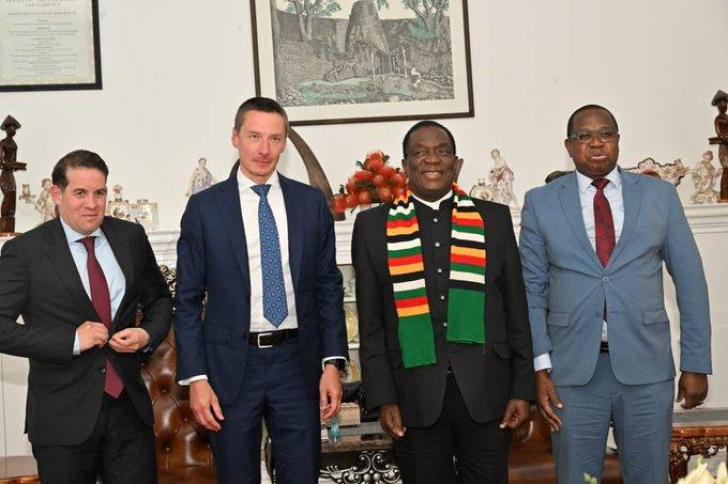
The International Monetary Fund (IMF) has approved the first review of Zimbabwe's 10-month Staff-Monitored Programme (SMP), saying the country has met key reform targets while cautioning that economic growth faces increasing downside risks.
The IMF-supervised programme, which commenced in May, is designed to monitor Zimbabwe's implementation of agreed economic reforms as the country seeks to rebuild relations with international lenders, clear its debt arrears and restructure external obligations. Although the programme does not provide direct financial assistance, successful reviews are regarded as an important milestone in Zimbabwe's re-engagement with the international financial community.
In a statement issued on Monday, the IMF said the completion of the first review represented significant progress in strengthening Zimbabwe's reform agenda.
"The completion of the first review marks an important step in consolidating recent stabilisation gains and strengthening Zimbabwe's track record of policy implementation in support of arrears clearance, debt restructuring, and re-engagement with the international community," the Fund said.
According to the IMF, implementation of the programme has been strong, with Zimbabwe meeting all end-March quantitative targets covering the fiscal balance, international reserves and external borrowing. The country also completed all structural reform benchmarks scheduled for March and June.
The Fund said the progress made under the programme would help advance discussions with external partners and support the next phase of Zimbabwe's debt resolution and international re-engagement efforts.
However, the IMF noted that the Government fell short of its target for protected social and priority spending, despite achieving its broader fiscal and monetary objectives.
The Fund said the missed target highlighted the importance of improving budget execution to ensure vulnerable groups continue to receive adequate support.
"The missed target underscores the need to improve budget execution and ensure timely support to vulnerable groups," the IMF said.
The IMF also noted that Zimbabwe's economy remained resilient in 2025, recording growth of 8.3 percent, driven by improved agricultural production, strong mining performance and elevated international gold prices.
Economic growth is projected to moderate to 5 percent in 2026, before averaging 4.2 percent over the medium term.
Despite the positive outlook, the IMF warned that significant risks remain.
"The outlook remains favourable, but risks are tilted to the downside," the Fund said, pointing to the possibility of a severe El Niño-induced drought and escalating conflict in the Middle East as key threats that could weigh on Zimbabwe's economic performance.
The successful completion of the first review is expected to strengthen Zimbabwe's credibility with international creditors as it continues efforts to resolve longstanding debt arrears and restore access to international financing.
The IMF-supervised programme, which commenced in May, is designed to monitor Zimbabwe's implementation of agreed economic reforms as the country seeks to rebuild relations with international lenders, clear its debt arrears and restructure external obligations. Although the programme does not provide direct financial assistance, successful reviews are regarded as an important milestone in Zimbabwe's re-engagement with the international financial community.
In a statement issued on Monday, the IMF said the completion of the first review represented significant progress in strengthening Zimbabwe's reform agenda.
"The completion of the first review marks an important step in consolidating recent stabilisation gains and strengthening Zimbabwe's track record of policy implementation in support of arrears clearance, debt restructuring, and re-engagement with the international community," the Fund said.
According to the IMF, implementation of the programme has been strong, with Zimbabwe meeting all end-March quantitative targets covering the fiscal balance, international reserves and external borrowing. The country also completed all structural reform benchmarks scheduled for March and June.
The Fund said the progress made under the programme would help advance discussions with external partners and support the next phase of Zimbabwe's debt resolution and international re-engagement efforts.
However, the IMF noted that the Government fell short of its target for protected social and priority spending, despite achieving its broader fiscal and monetary objectives.
"The missed target underscores the need to improve budget execution and ensure timely support to vulnerable groups," the IMF said.
The IMF also noted that Zimbabwe's economy remained resilient in 2025, recording growth of 8.3 percent, driven by improved agricultural production, strong mining performance and elevated international gold prices.
Economic growth is projected to moderate to 5 percent in 2026, before averaging 4.2 percent over the medium term.
Despite the positive outlook, the IMF warned that significant risks remain.
"The outlook remains favourable, but risks are tilted to the downside," the Fund said, pointing to the possibility of a severe El Niño-induced drought and escalating conflict in the Middle East as key threats that could weigh on Zimbabwe's economic performance.
The successful completion of the first review is expected to strengthen Zimbabwe's credibility with international creditors as it continues efforts to resolve longstanding debt arrears and restore access to international financing.
Source - online
Join the discussion
Loading comments…





