News / National
Police bust lithium smuggling plot at Forbes Border
29 Jul 2026 at 07:32hrs |
753 Views
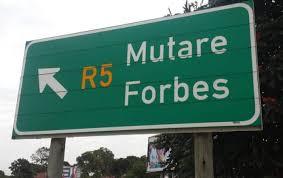
Zimbabwe Republic Police (ZRP) officers at Forbes Border Post have foiled an alleged lithium smuggling attempt after arresting a suspect accused of offering a US$1,500 bribe to facilitate the illegal export of lithium concentrate into Mozambique.
The incident, which reportedly occurred at the busy eastern border crossing, involved three haulage trucks loaded with lithium concentrate that were allegedly destined for Mozambique in violation of Zimbabwe's ban on the export of raw and unbeneficiated lithium.
According to police documents, the suspect, Brian Sekombe, allegedly approached Assistant Inspector Chiniva and offered US$1,500 in cash, comprising US$100 notes, in an attempt to secure passage for the trucks through the border post.
Instead of accepting the money, officers immediately counted the cash, recorded the serial numbers for evidential purposes and placed the suspect under arrest.
"The accused person handed over the money and was informed he was under arrest for bribery," a police statement said.
The case has been recorded under Mutare Central CR 107/26, with the suspect expected to face charges under Zimbabwe's anti-corruption laws.
The three trucks intercepted at Forbes Border Post are reportedly operated by Sadie Motors, a Zimbabwean haulage company that transports goods for various mining and logistics firms across the region.
Investigators are now examining the contracting arrangements behind the shipment to determine who commissioned the transportation and whether the haulage company knowingly participated in the alleged smuggling operation or was misled through fraudulent documentation.
Authorities say the investigation will seek to establish the full supply chain behind the intercepted consignment.
The case follows previous incidents in which transport operators were allegedly duped into carrying illegally sourced minerals. In one such case, Mugwazi Transport Company reportedly lost a truck valued at about US$30,000 after a customer falsely declared a chrome shipment that allegedly turned out to contain lithium quartz.
The interception comes amid intensified enforcement of Zimbabwe's ban on raw lithium exports, introduced as part of the Government's strategy to promote local mineral beneficiation and maximise value from the country's critical minerals.
According to official figures, Zimbabwe earned approximately US$178.6 million from lithium exports during the first quarter of 2026, with authorities attributing the increase in export earnings to value addition rather than higher production volumes.
Government has designated 14 minerals as strategic or critical minerals and prohibited the export of their raw or unprocessed forms in a bid to stimulate domestic processing and industrialisation.
Mines and Mining Development Minister Dr Polite Kambamura has previously said the policy is intended to end the export of unprocessed minerals and encourage investment in local beneficiation.
Forbes Border Post has become a focal point in Zimbabwe's campaign against mineral smuggling.
In recent months, authorities have uncovered several alleged smuggling operations involving lithium and other strategic minerals at the border.
In July, the Zimbabwe Anti-Corruption Commission (ZACC) and the Zimbabwe Revenue Authority (ZIMRA) uncovered an alleged syndicate accused of attempting to export about 204 tonnes of lithium ore using a cloned export permit.
Earlier, two foreign nationals appeared in court facing allegations of smuggling large quantities of lithium, chrome and copper through Forbes Border Post by allegedly falsifying export declarations.
Authorities say investigations into the latest case are continuing as they work to dismantle networks involved in the illegal trade of strategic minerals.
The incident, which reportedly occurred at the busy eastern border crossing, involved three haulage trucks loaded with lithium concentrate that were allegedly destined for Mozambique in violation of Zimbabwe's ban on the export of raw and unbeneficiated lithium.
According to police documents, the suspect, Brian Sekombe, allegedly approached Assistant Inspector Chiniva and offered US$1,500 in cash, comprising US$100 notes, in an attempt to secure passage for the trucks through the border post.
Instead of accepting the money, officers immediately counted the cash, recorded the serial numbers for evidential purposes and placed the suspect under arrest.
"The accused person handed over the money and was informed he was under arrest for bribery," a police statement said.
The case has been recorded under Mutare Central CR 107/26, with the suspect expected to face charges under Zimbabwe's anti-corruption laws.
The three trucks intercepted at Forbes Border Post are reportedly operated by Sadie Motors, a Zimbabwean haulage company that transports goods for various mining and logistics firms across the region.
Investigators are now examining the contracting arrangements behind the shipment to determine who commissioned the transportation and whether the haulage company knowingly participated in the alleged smuggling operation or was misled through fraudulent documentation.
Authorities say the investigation will seek to establish the full supply chain behind the intercepted consignment.
The case follows previous incidents in which transport operators were allegedly duped into carrying illegally sourced minerals. In one such case, Mugwazi Transport Company reportedly lost a truck valued at about US$30,000 after a customer falsely declared a chrome shipment that allegedly turned out to contain lithium quartz.
The interception comes amid intensified enforcement of Zimbabwe's ban on raw lithium exports, introduced as part of the Government's strategy to promote local mineral beneficiation and maximise value from the country's critical minerals.
According to official figures, Zimbabwe earned approximately US$178.6 million from lithium exports during the first quarter of 2026, with authorities attributing the increase in export earnings to value addition rather than higher production volumes.
Government has designated 14 minerals as strategic or critical minerals and prohibited the export of their raw or unprocessed forms in a bid to stimulate domestic processing and industrialisation.
Mines and Mining Development Minister Dr Polite Kambamura has previously said the policy is intended to end the export of unprocessed minerals and encourage investment in local beneficiation.
Forbes Border Post has become a focal point in Zimbabwe's campaign against mineral smuggling.
In recent months, authorities have uncovered several alleged smuggling operations involving lithium and other strategic minerals at the border.
In July, the Zimbabwe Anti-Corruption Commission (ZACC) and the Zimbabwe Revenue Authority (ZIMRA) uncovered an alleged syndicate accused of attempting to export about 204 tonnes of lithium ore using a cloned export permit.
Earlier, two foreign nationals appeared in court facing allegations of smuggling large quantities of lithium, chrome and copper through Forbes Border Post by allegedly falsifying export declarations.
Authorities say investigations into the latest case are continuing as they work to dismantle networks involved in the illegal trade of strategic minerals.
Source - Mining Zimbabwe
Join the discussion
Loading comments…





