News / National
RBZ rejects calls to cut 30% export surrender
21 Aug 2026 at 09:12hrs |
694 Views
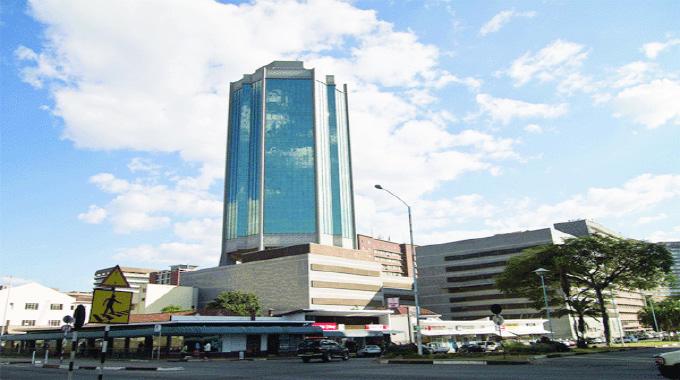
The Reserve Bank of Zimbabwe has rejected calls from exporters to reduce the contentious 30 percent export surrender requirement, insisting that the policy remains critical to maintaining price and exchange rate stability.
In its mid-term monetary policy statement released on Thursday, the central bank said stakeholders had called for an urgent review of the current 70/30 export retention framework, arguing that exporters needed to retain more of their foreign currency earnings.
"Stakeholders said the level of export retention at the current 70/30 remains high and requires urgent review," the RBZ said.
Businesses also asked the central bank to consider applications for additional foreign currency on a case-by-case basis to allow companies to expand operations and increase their contribution to the economy.
However, the RBZ defended the existing arrangement, saying it had helped sustain stability in the economy.
"The Reserve Bank emphasised that the retention framework has gone a long way in supporting the prevailing price and exchange rate stability in the economy," the statement said.
According to the central bank, export surrender proceeds have been used to provide liquidity to the willing-buyer, willing-seller (WBWS) interbank foreign exchange market and ensure that legitimate foreign currency invoices are settled.
Under the current framework, exporters retain 70 percent of their export proceeds in foreign currency, while 30 percent is surrendered for conversion into local currency at the official exchange rate.
Exporters have argued that the surrender requirement limits the foreign currency available for capital expenditure, working capital and business expansion, particularly at a time when access to bank financing remains constrained.
The RBZ's decision comes as Zimbabwe records a significant increase in foreign currency inflows.
Foreign currency receipts rose 47.8 percent to US$10.7 billion during the first half of 2026, up from US$7.3 billion during the same period last year.
Export proceeds increased by 90.7 percent to US$7.53 billion, while diaspora remittances rose 41.4 percent to US$1.54 billion.
The increase in inflows helped push foreign currency reserves to US$1.7 billion by July, equivalent to 1.7 months of import cover.
Between January and June, export receipts accounted for 70.3 percent of total foreign currency receipts, while diaspora remittances contributed 14.4 percent.
RBZ Defends Exchange Rate System
The central bank also rejected concerns over whether the WBWS exchange rate is genuinely market-determined.
"The Reserve Bank emphasised that the current exchange rate system has been market-determined since April 2024, on a WBWS basis, with the role of the Reserve Bank restricted to computing and publishing the daily weighted average exchange rate," it said.
The RBZ also disclosed that it had developed a digital foreign exchange trading system which is currently undergoing technical review by the World Bank.
The system is scheduled to be launched during the fourth quarter of 2026.
Meanwhile, tight liquidity conditions in the banking sector have increased pressure on exporters, who are increasingly relying on their own foreign currency earnings to finance operations and investment.
The RBZ has also called on exporters to extend the 70/30 payment structure to local suppliers and contractors.
"Further, the Reserve Bank advised that, for the retention framework to be sustainable and support increased use of the local currency, exporters should cascade the 70/30 payment structure to their domestic service providers and contractors," the central bank said.
The apex bank said the existing retention threshold was appropriately calibrated to the foreign currency and ZiG requirements of exporters.
Mining Exporters Still Owed
The statement also revealed that some exporters, particularly in the mining sector, were still awaiting payment of local currency arising from export surrender proceeds.
"The Reserve Bank advised exporters that the issue of outstanding export surrender proceeds affects not more than three mining exporters and is receiving active attention from Treasury," the RBZ said.
"Treasury has also devised some bilateral structures to extinguish the payment of arrears."
The central bank said major injections of liquidity into the market between January 2 and August 4, 2026, included government expenditure of ZiG42.3 billion and RBZ purchases of export surrender proceeds amounting to ZiG32.8 billion.
The 70/30 framework was introduced in February 2025 when the RBZ reduced the foreign currency retention threshold from 75 percent to 70 percent, effectively increasing the surrender portion from 25 percent to 30 percent.
The central bank said the adjustment was intended to increase foreign currency supply to the interbank market, strengthen reserves and provide exporters with sufficient ZiG to meet their domestic obligations.
The policy remains a major point of contention between the central bank and exporters, with businesses arguing that surrendering 30 percent of their earnings at the official rate can expose them to exchange-rate losses and restrict investment.
The RBZ, however, maintains that the surrender proceeds are necessary to provide liquidity to the formal foreign exchange market and strengthen Zimbabwe's reserve position.
In its mid-term monetary policy statement released on Thursday, the central bank said stakeholders had called for an urgent review of the current 70/30 export retention framework, arguing that exporters needed to retain more of their foreign currency earnings.
"Stakeholders said the level of export retention at the current 70/30 remains high and requires urgent review," the RBZ said.
Businesses also asked the central bank to consider applications for additional foreign currency on a case-by-case basis to allow companies to expand operations and increase their contribution to the economy.
However, the RBZ defended the existing arrangement, saying it had helped sustain stability in the economy.
"The Reserve Bank emphasised that the retention framework has gone a long way in supporting the prevailing price and exchange rate stability in the economy," the statement said.
According to the central bank, export surrender proceeds have been used to provide liquidity to the willing-buyer, willing-seller (WBWS) interbank foreign exchange market and ensure that legitimate foreign currency invoices are settled.
Under the current framework, exporters retain 70 percent of their export proceeds in foreign currency, while 30 percent is surrendered for conversion into local currency at the official exchange rate.
Exporters have argued that the surrender requirement limits the foreign currency available for capital expenditure, working capital and business expansion, particularly at a time when access to bank financing remains constrained.
The RBZ's decision comes as Zimbabwe records a significant increase in foreign currency inflows.
Foreign currency receipts rose 47.8 percent to US$10.7 billion during the first half of 2026, up from US$7.3 billion during the same period last year.
Export proceeds increased by 90.7 percent to US$7.53 billion, while diaspora remittances rose 41.4 percent to US$1.54 billion.
The increase in inflows helped push foreign currency reserves to US$1.7 billion by July, equivalent to 1.7 months of import cover.
Between January and June, export receipts accounted for 70.3 percent of total foreign currency receipts, while diaspora remittances contributed 14.4 percent.
RBZ Defends Exchange Rate System
The central bank also rejected concerns over whether the WBWS exchange rate is genuinely market-determined.
"The Reserve Bank emphasised that the current exchange rate system has been market-determined since April 2024, on a WBWS basis, with the role of the Reserve Bank restricted to computing and publishing the daily weighted average exchange rate," it said.
The RBZ also disclosed that it had developed a digital foreign exchange trading system which is currently undergoing technical review by the World Bank.
The system is scheduled to be launched during the fourth quarter of 2026.
Meanwhile, tight liquidity conditions in the banking sector have increased pressure on exporters, who are increasingly relying on their own foreign currency earnings to finance operations and investment.
The RBZ has also called on exporters to extend the 70/30 payment structure to local suppliers and contractors.
"Further, the Reserve Bank advised that, for the retention framework to be sustainable and support increased use of the local currency, exporters should cascade the 70/30 payment structure to their domestic service providers and contractors," the central bank said.
The apex bank said the existing retention threshold was appropriately calibrated to the foreign currency and ZiG requirements of exporters.
Mining Exporters Still Owed
The statement also revealed that some exporters, particularly in the mining sector, were still awaiting payment of local currency arising from export surrender proceeds.
"The Reserve Bank advised exporters that the issue of outstanding export surrender proceeds affects not more than three mining exporters and is receiving active attention from Treasury," the RBZ said.
"Treasury has also devised some bilateral structures to extinguish the payment of arrears."
The central bank said major injections of liquidity into the market between January 2 and August 4, 2026, included government expenditure of ZiG42.3 billion and RBZ purchases of export surrender proceeds amounting to ZiG32.8 billion.
The 70/30 framework was introduced in February 2025 when the RBZ reduced the foreign currency retention threshold from 75 percent to 70 percent, effectively increasing the surrender portion from 25 percent to 30 percent.
The central bank said the adjustment was intended to increase foreign currency supply to the interbank market, strengthen reserves and provide exporters with sufficient ZiG to meet their domestic obligations.
The policy remains a major point of contention between the central bank and exporters, with businesses arguing that surrendering 30 percent of their earnings at the official rate can expose them to exchange-rate losses and restrict investment.
The RBZ, however, maintains that the surrender proceeds are necessary to provide liquidity to the formal foreign exchange market and strengthen Zimbabwe's reserve position.
Source - The Independent
Join the discussion
Loading comments…





