News / National
RBZ shuts down ghost mobile money wallets
10 Sep 2026 at 16:01hrs |
0 Views
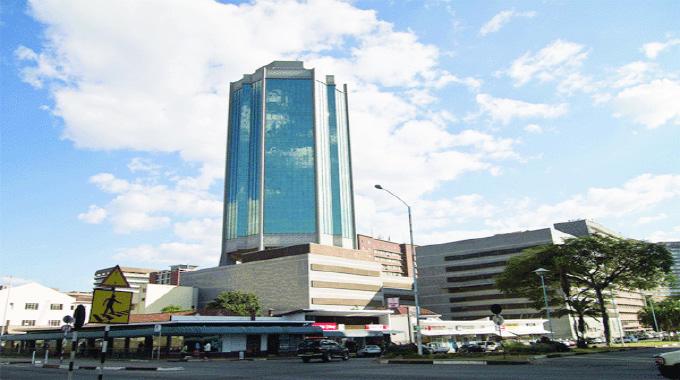
THE Reserve Bank of Zimbabwe (RBZ) has shut down ghost, fictitious and duplicate mobile money wallets after linking the Civil Registry's national database with mobile financial services subscriber records in a major clean-up of the country's digital payments ecosystem.
The exercise forms part of broader measures to strengthen identity verification, combat fraud and close loopholes that could facilitate illicit financial flows.
RBZ governor Dr John Mushayavanhu said banks, mobile money operators (MMOs) and payment service providers had strengthened their Know Your Customer (KYC) processes in line with central bank directives.
He said all mobile money providers had been required to rescreen their wallets in collaboration with the Civil Registry Department and remove ghost accounts by June 30, 2026.
"The Reserve Bank advises that all mobile money providers complied with the directive and were linked to the Civil Registry to facilitate customer identity verification during onboarding and periodic KYC reviews," Dr Mushayavanhu said.
"In addition, the Reserve Bank conducted follow-up verification to ensure that ghost wallets have been closed."
He added that there were no outstanding issues concerning mobile money wallets.
The RBZ said eliminating ghost, fictitious and duplicate accounts would strengthen the integrity of the national payment system and reduce vulnerabilities across the digital financial ecosystem.
Licensed mobile money operators have been integrated with the Civil Registry to verify customer identities during wallet registration and periodic KYC reviews.
The central bank has also continued engaging the Postal and Telecommunications Regulatory Authority of Zimbabwe (POTRAZ) to strengthen SIM registration and identity verification.
According to Dr Mushayavanhu, the measures are intended to protect consumers, improve transparency and reinforce stability within the digital payments sector.
The clean-up is also expected to reduce financial-crime risks such as fraud, impersonation and illicit financial flows, as well as monetary risks associated with artificially inflated transaction volumes, speculative activity and the abuse of small-value transactions.
The RBZ said it would deploy enhanced compliance reporting, targeted inspections and advanced transaction analytics, alongside the mandatory deregistration of unverified lines and accounts where necessary.
"The RBZ will deploy enhanced compliance reporting, targeted inspections, advanced transaction analytics and mandatory deregistration of unverified lines and accounts where necessary," Dr Mushayavanhu said.
"Administrative penalties and sanctions will apply for non-compliance. Consumer protection oversight will also be strengthened to ensure proper onboarding, agent compliance and customer communication."
Operators are required to ensure that identification details used to register mobile money accounts correspond with records held by telecommunications companies and the Civil Registry Department.
The exercise builds on a 2021 regulatory directive enforcing a strict "one line, one wallet" policy, which limits each SIM card to a single mobile money account.
Despite the directive, inconsistencies in subscriber databases maintained by mobile network operators have persisted, creating vulnerabilities that could be exploited for fraudulent purposes.
The RBZ said discrepancies involving duplicated identities, ghost lines and mismatched subscriber information continued to pose systemic risks, potentially facilitating identity manipulation, fraud and other forms of financial crime.
By integrating Civil Registry records with telecommunications and mobile money databases, authorities are seeking to establish a more secure digital payments architecture in which every mobile money wallet is linked to a verifiable national identity.
Major mobile money platforms, including EcoCash, OneMoney and O'mari, are also moving towards more sophisticated authentication systems incorporating biometric and API-driven verification.
The tightening of controls comes as criminals increasingly use social engineering, fake online promotions and unauthorised SIM swaps to hijack active wallets and divert funds.
The RBZ intervention is therefore aimed not only at cleaning up legacy subscriber records, but also at closing gaps between the national identity, telecommunications and financial services systems that could be exploited by criminals.
The exercise forms part of broader measures to strengthen identity verification, combat fraud and close loopholes that could facilitate illicit financial flows.
RBZ governor Dr John Mushayavanhu said banks, mobile money operators (MMOs) and payment service providers had strengthened their Know Your Customer (KYC) processes in line with central bank directives.
He said all mobile money providers had been required to rescreen their wallets in collaboration with the Civil Registry Department and remove ghost accounts by June 30, 2026.
"The Reserve Bank advises that all mobile money providers complied with the directive and were linked to the Civil Registry to facilitate customer identity verification during onboarding and periodic KYC reviews," Dr Mushayavanhu said.
"In addition, the Reserve Bank conducted follow-up verification to ensure that ghost wallets have been closed."
He added that there were no outstanding issues concerning mobile money wallets.
The RBZ said eliminating ghost, fictitious and duplicate accounts would strengthen the integrity of the national payment system and reduce vulnerabilities across the digital financial ecosystem.
Licensed mobile money operators have been integrated with the Civil Registry to verify customer identities during wallet registration and periodic KYC reviews.
The central bank has also continued engaging the Postal and Telecommunications Regulatory Authority of Zimbabwe (POTRAZ) to strengthen SIM registration and identity verification.
According to Dr Mushayavanhu, the measures are intended to protect consumers, improve transparency and reinforce stability within the digital payments sector.
The RBZ said it would deploy enhanced compliance reporting, targeted inspections and advanced transaction analytics, alongside the mandatory deregistration of unverified lines and accounts where necessary.
"The RBZ will deploy enhanced compliance reporting, targeted inspections, advanced transaction analytics and mandatory deregistration of unverified lines and accounts where necessary," Dr Mushayavanhu said.
"Administrative penalties and sanctions will apply for non-compliance. Consumer protection oversight will also be strengthened to ensure proper onboarding, agent compliance and customer communication."
Operators are required to ensure that identification details used to register mobile money accounts correspond with records held by telecommunications companies and the Civil Registry Department.
The exercise builds on a 2021 regulatory directive enforcing a strict "one line, one wallet" policy, which limits each SIM card to a single mobile money account.
Despite the directive, inconsistencies in subscriber databases maintained by mobile network operators have persisted, creating vulnerabilities that could be exploited for fraudulent purposes.
The RBZ said discrepancies involving duplicated identities, ghost lines and mismatched subscriber information continued to pose systemic risks, potentially facilitating identity manipulation, fraud and other forms of financial crime.
By integrating Civil Registry records with telecommunications and mobile money databases, authorities are seeking to establish a more secure digital payments architecture in which every mobile money wallet is linked to a verifiable national identity.
Major mobile money platforms, including EcoCash, OneMoney and O'mari, are also moving towards more sophisticated authentication systems incorporating biometric and API-driven verification.
The tightening of controls comes as criminals increasingly use social engineering, fake online promotions and unauthorised SIM swaps to hijack active wallets and divert funds.
The RBZ intervention is therefore aimed not only at cleaning up legacy subscriber records, but also at closing gaps between the national identity, telecommunications and financial services systems that could be exploited by criminals.
Source - Business Times
Join the discussion
Loading comments…




