News / National
Backlash as Zimbabwe pushes E20 fuel blending policy
28 Mar 2026 at 13:25hrs |
0 Views
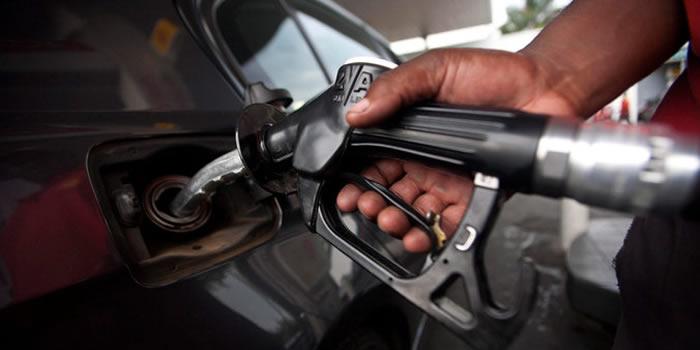
The government's decision to increase ethanol blending in fuel from E5 to E20 has triggered strong opposition from motorists, industry experts and key economic sectors, who warn the move could damage engines and increase fuel consumption.
Finance Minister Mthuli Ncube announced the policy shift during a post-Cabinet briefing this week, describing it as part of broader efforts to cushion consumers from rising global fuel prices.
E20 fuel is a blend of 80% petrol and 20% ethanol, and authorities argue that increasing ethanol content will help reduce reliance on imported fuel and stabilise prices.
However, critics say the policy may have unintended consequences, particularly for Zimbabwe's ageing vehicle fleet.
Motoring analyst Tendai Munhundarima warned that most vehicles on the road are not designed to handle higher ethanol blends.
"The change presents technical challenges on older cars because ethanol is a powerful solvent," he said. "Components designed for lower blends like E10 may not withstand the higher chemical properties of E20."
He added that the increased ethanol content could lead to internal corrosion of fuel systems and clogging of injectors, potentially resulting in costly repairs for motorists.
Munhundarima also highlighted efficiency concerns, noting that ethanol contains significantly less energy than petrol.
"Moving to E20 will likely result in a 5% to 10% decrease in mileage, meaning motorists will need to refuel more frequently," he said.
Despite regulations introduced in 2024 banning the importation of vehicles older than 10 years, Zimbabwe's roads are still dominated by older second-hand vehicles, raising concerns about their compatibility with the new fuel blend.
Experts say the impact will extend beyond private vehicles. Clement Shonhiwa, a mechanical engineer at the University of Zimbabwe, said agricultural and mining equipment would also be affected.
"This applies to any equipment that uses petrol — including machinery in agriculture and mining," he said. "E20 has lower energy value, which translates to reduced mileage and efficiency."
Shonhiwa suggested that government should instead focus on reducing fuel taxes to ease the burden on consumers.
Economic analyst Tendai Ruben Mbofana echoed similar sentiments, arguing that tax relief and improved procurement systems would offer more immediate benefits.
"A significant portion of the fuel price is made up of taxes and levies. Reducing these would directly lower costs for consumers," he said.
Mbofana also called for greater transparency in fuel procurement, warning that opaque supply arrangements and inefficiencies could be inflating prices unnecessarily.
In addition, he urged government to invest in reliable public transport systems to reduce overall fuel demand, while emphasising the importance of exchange rate stability.
"Since fuel is imported in foreign currency, any volatility in the local currency inevitably pushes prices up," he said. "Without stability, fuel prices will remain high regardless of blending policies."
While authorities maintain that the E20 policy is aimed at long-term sustainability and cost control, critics argue that without complementary reforms, the move risks placing additional strain on consumers and key sectors of the economy.
Finance Minister Mthuli Ncube announced the policy shift during a post-Cabinet briefing this week, describing it as part of broader efforts to cushion consumers from rising global fuel prices.
E20 fuel is a blend of 80% petrol and 20% ethanol, and authorities argue that increasing ethanol content will help reduce reliance on imported fuel and stabilise prices.
However, critics say the policy may have unintended consequences, particularly for Zimbabwe's ageing vehicle fleet.
Motoring analyst Tendai Munhundarima warned that most vehicles on the road are not designed to handle higher ethanol blends.
"The change presents technical challenges on older cars because ethanol is a powerful solvent," he said. "Components designed for lower blends like E10 may not withstand the higher chemical properties of E20."
He added that the increased ethanol content could lead to internal corrosion of fuel systems and clogging of injectors, potentially resulting in costly repairs for motorists.
Munhundarima also highlighted efficiency concerns, noting that ethanol contains significantly less energy than petrol.
"Moving to E20 will likely result in a 5% to 10% decrease in mileage, meaning motorists will need to refuel more frequently," he said.
Despite regulations introduced in 2024 banning the importation of vehicles older than 10 years, Zimbabwe's roads are still dominated by older second-hand vehicles, raising concerns about their compatibility with the new fuel blend.
Experts say the impact will extend beyond private vehicles. Clement Shonhiwa, a mechanical engineer at the University of Zimbabwe, said agricultural and mining equipment would also be affected.
"This applies to any equipment that uses petrol — including machinery in agriculture and mining," he said. "E20 has lower energy value, which translates to reduced mileage and efficiency."
Shonhiwa suggested that government should instead focus on reducing fuel taxes to ease the burden on consumers.
Economic analyst Tendai Ruben Mbofana echoed similar sentiments, arguing that tax relief and improved procurement systems would offer more immediate benefits.
"A significant portion of the fuel price is made up of taxes and levies. Reducing these would directly lower costs for consumers," he said.
Mbofana also called for greater transparency in fuel procurement, warning that opaque supply arrangements and inefficiencies could be inflating prices unnecessarily.
In addition, he urged government to invest in reliable public transport systems to reduce overall fuel demand, while emphasising the importance of exchange rate stability.
"Since fuel is imported in foreign currency, any volatility in the local currency inevitably pushes prices up," he said. "Without stability, fuel prices will remain high regardless of blending policies."
While authorities maintain that the E20 policy is aimed at long-term sustainability and cost control, critics argue that without complementary reforms, the move risks placing additional strain on consumers and key sectors of the economy.
Source - newsday
Join the discussion
Loading comments…





